Middle East Escalation: Qatar Condemns Iranian Missile and Drone Attacks on Gulf States
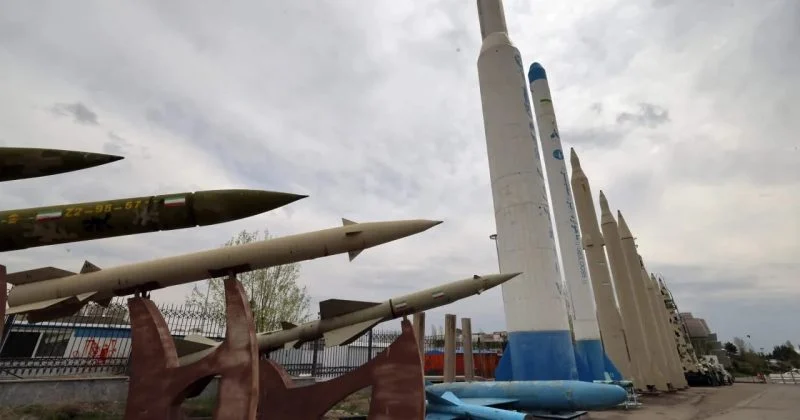
Qatar has officially condemned the recent missile and drone attacks launched by Iran against Gulf states, marking a significant escalation in regional hostilities. This diplomatic stance underscores the growing instability that threatens both geopolitical security and global energy corridors.
As the threat of conflict looms, market participants are closely watching for signs of de-escalation. With a 45.5% probability of a diplomatic meeting with Iran occurring by August 31, 2026, the outcome of these tensions will play a crucial role in determining market volatility and the broader impact on global economic stability.
Qatar has formally condemned the Iranian missile and drone attacks targeting Gulf states. The escalation highlights the precarious security situation in the region. Current projections suggest a 45.5% likelihood of a diplomatic meeting with Iran taking place by August 31, 2026, as international actors attempt to navigate the complex landscape of Middle Eastern politics.
This is a summarized and adapted version by Artificial Intelligence. To read the complete original story, visit the official source.
Read Full Article at Crypto BriefingSupport Jornal Bitcoin
Independent journalism, curated by AI, no clickbait. Keep the flame alive with any amount of BTC.
jonata@walletofsatoshi.comDaily Crypto Brief 📬
Subscribe to receive the curation of the most important Bitcoin and crypto news, summarized by AI. No spam.
Join more than 10,000 smart readers.
Related News

Shiraz Explosion: Airstrike Hits Iranian Electronics Industry Amid Crypto Market Turmoil
This strike comes at a precarious time for digital assets, following a nearly 2% drop in Bitcoin's value. As crypto markets have already shed an estimated $80 billion in earlier strike waves this year, the ongoing military conflict threatens to deepen liquidity drains and heighten volatility across the entire blockchain ecosystem.

Gulf Escalation: Polymarket Odds for Iran Invasion Spike to 24.5% Following Attacks
Traders are now hyper-focused on the potential for spillover into a direct U.S.-Iran conflict. As the market reacts to these developments, the focus shifts to how this regional volatility will influence broader economic stability and whether these prediction market shifts serve as a leading indicator for upcoming geopolitical shifts.
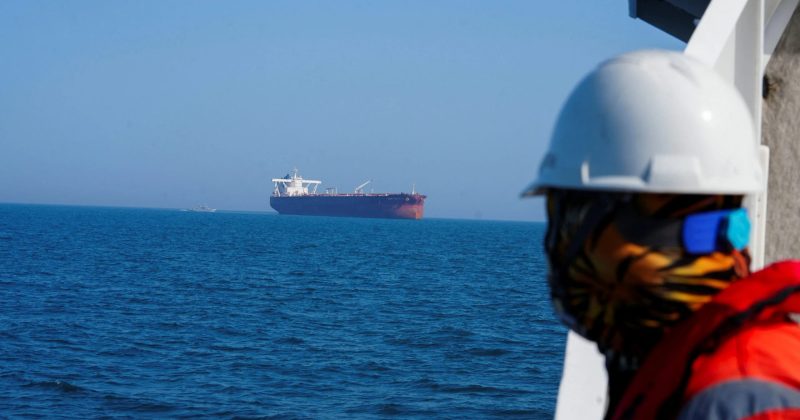
Hormuz Crisis Escalates: Iranian Attack Ignites Kavomaleas Tanker
While traffic is projected to normalize by August 31, the fallout from this Iranian attack could trigger significant fluctuations in energy markets. Investors are closely monitoring the situation as the threat of prolonged maritime disruption remains a primary concern for global logistics and commodity stability.
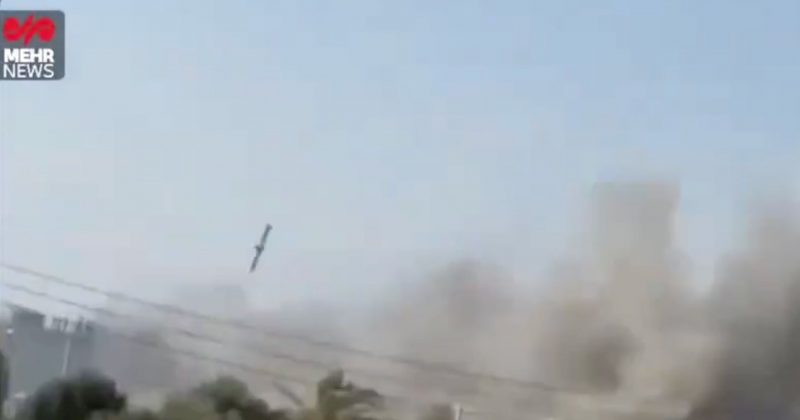
Middle East Chaos: IRGC Strikes US Bases as Bitcoin Whipsaws Near $100K Milestone
The convergence of geopolitical instability and Bitcoin volatility highlights the asset's sensitivity to global risk. As markets attempt to price in the potential for a wider conflict, the extreme price swings between $99.5K and $102K underscore the high-stakes environment facing crypto traders and institutional investors alike.
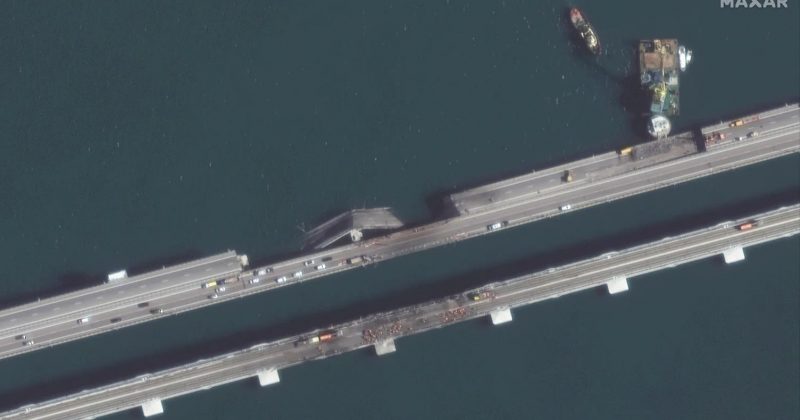
Crimea Chaos: Ukrainian Drone Strikes Cripple Russian Logistics, State of Emergency Declared
As the geopolitical landscape shifts, the impact of these strikes reverberates through global risk assessments. With market predictions placing the probability of Ukraine recapturing Crimea by late 2026 at 8.5%, the ongoing disruption serves as a volatile variable in the broader strategic conflict.
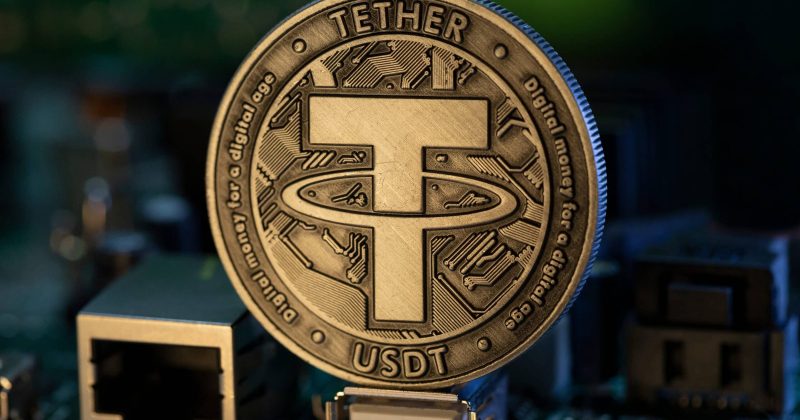
Tether's XAU₮ Hits Major Milestone: Recognized as Spot Commodity in Abu Dhabi
This recognition is a catalyst for institutional adoption, providing the legal clarity required by major financial players to enter the gold-tokenized market. By integrating XAU₮ into the ADGM framework, Abu Dhabi is positioning itself as a global leader in the convergence of blockchain technology and regulated commodity trading.
