Digital Warfare: EU Launches New Sanctions Targeting Russian Crypto Operators and Banks

The European Union has escalated its economic offensive against the Kremlin by announcing a fresh package of sanctions specifically targeting banks and cryptocurrency operators. This strategic move, communicated by the European Commission, aims to strike the Russian economy where it is most vulnerable to disrupt war funding.
By integrating crypto-assets into its sanctions framework, the EU is signaling a major shift in how digital finance is used in geopolitical conflicts. This crackdown on crypto exchanges and financial service providers is designed to close loopholes used for capital evasion, tightening the noose on Russia's ability to bypass international financial restrictions.
The European Union announced a new, stringent package of sanctions against Russia this Thursday (23), following the ongoing conflict in Ukraine. The details were released by Kaja Kallas, Vice-President of the European Commission, who stated that the plan is to 'hit Putin where it hurts most'—his economy.
This latest round of measures expands beyond traditional banking to specifically target cryptocurrency operators and institutions facilitating digital asset transactions. The goal is to choke off Russian funding sources by leveraging control over the crypto ecosystem to prevent the government in Moscow from bypassing existing international sanctions.
This is a summarized and adapted version by Artificial Intelligence. To read the complete original story, visit the official source.
Read Full Article at LivecoinsSupport Jornal Bitcoin
Independent journalism, curated by AI, no clickbait. Keep the flame alive with any amount of BTC.
jonata@walletofsatoshi.comDaily Crypto Brief 📬
Subscribe to receive the curation of the most important Bitcoin and crypto news, summarized by AI. No spam.
Join more than 10,000 smart readers.
Related News

Whale Alert: 2 Bullish and 1 Bearish Signals Shaping Cardano's (ADA) Next Move
This divergence between whale exposure and technical indicators suggests that Cardano is entering a high-volatility phase. Investors must weigh the bullish momentum driven by large-scale buying against the immediate bearish pressure to navigate the upcoming price action effectively.

BlackRock Claims Crypto Can Outrun the Quantum Threat — If It Moves Fast Enough
However, the window for action is defined by the speed of technological evolution. To mitigate the risks posed by quantum supremacy, the crypto industry must proactively integrate quantum-resistant algorithms, ensuring that the transition to new cryptographic standards happens well before quantum hardware reaches its full potential.

The AI Economy is Here: Coinbase Enables Corporate Clients to Accept Payments from AI Agents
This development marks a significant milestone in the integration of AI and blockchain technology. By leveraging the x402 protocol, Coinbase is not just facilitating transactions, but is actively building the financial rails required for autonomous agents to participate in global commerce, potentially triggering a massive shift in how digital value is exchanged.
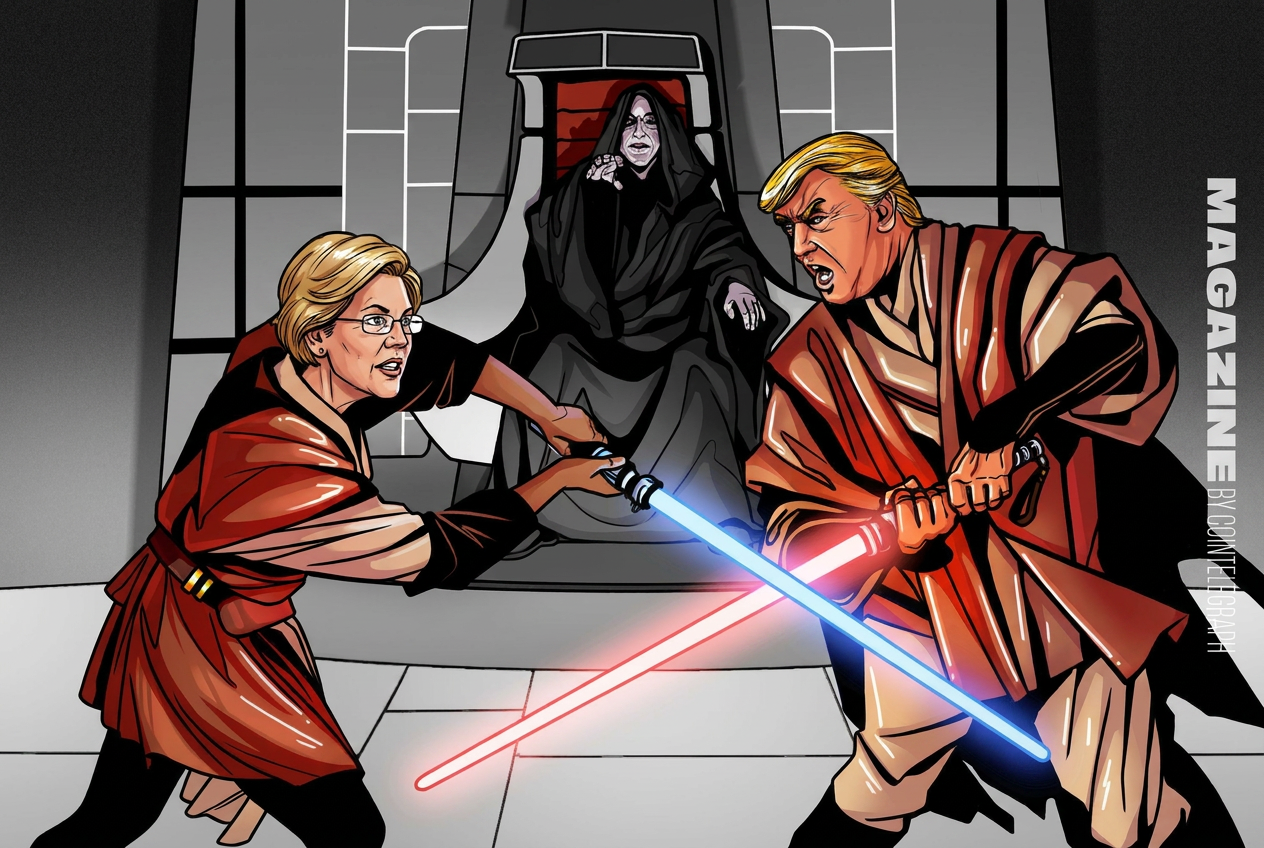
The CLARITY Act Standoff: Why Ethics Rules Are Blocking US Crypto Legislation
This ethical deadlock, following thousands of hours of negotiation, could fundamentally reshape how digital assets are governed in the United States. The outcome of this struggle over a code of conduct will dictate the regulatory landscape for the entire crypto industry and the power dynamics of federal oversight.

Short-sighted Stock Market Can No Longer Ignore War: The $100 Oil Threat
Beyond immediate price hikes, the consequences extend to squeezed corporate margins and increased consumer costs. As geopolitical risks intensify, the inability to brush off these macro shifts suggests a period of heightened volatility for both traditional equities and broader financial markets.

Security Breach: Verus Bridge Hit by Second Exploit in 66 Days, Total Losses Hit $19.1M
This recurring vulnerability has pushed total losses to a staggering $19.1 million, sending shockwaves through the cross-chain interoperability sector. The repeated nature of these breaches highlights the persistent risks associated with bridge security and the critical need for robust smart contract audits in the DeFi space.
