BlackRock Claims Crypto Can Outrun the Quantum Threat — If It Moves Fast Enough

BlackRock has signaled that Bitcoin and various crypto networks hold a strategic advantage in the looming battle against quantum computing threats. The core thesis suggests that the agility of decentralized networks provides a unique defense mechanism that traditional systems may lack.
However, the window for action is defined by the speed of technological evolution. To mitigate the risks posed by quantum supremacy, the crypto industry must proactively integrate quantum-resistant algorithms, ensuring that the transition to new cryptographic standards happens well before quantum hardware reaches its full potential.
BlackRock believes that Bitcoin and other crypto networks have the upper hand when facing the threat of quantum computers. According to recent insights, the world's largest asset manager suggests that the survival of the ecosystem depends on the agility of updating its security protocols. While quantum computing represents an unprecedented challenge to current cryptography, the programmable nature of blockchain networks allows them to evolve toward quantum-resistant standards, provided the implementation occurs in a timely manner.
This is a summarized and adapted version by Artificial Intelligence. To read the complete original story, visit the official source.
Read Full Article at Bitcoin MagazineSupport Jornal Bitcoin
Independent journalism, curated by AI, no clickbait. Keep the flame alive with any amount of BTC.
jonata@walletofsatoshi.comDaily Crypto Brief 📬
Subscribe to receive the curation of the most important Bitcoin and crypto news, summarized by AI. No spam.
Join more than 10,000 smart readers.
Related News

Livestock on the Ledger: Brazilian Farmers Turn Cows into Tokens to Solve Credit Crunch
This breakthrough in Real World Asset (RWA) tokenization provides a scalable model for bringing liquidity to the agricultural sector. By leveraging blockchain technology, farmers can now unlock value from their herds, paving the way for more resilient and decentralized credit markets in one of the world's most vital food-producing regions.
Kazakhstan's Bold Move: Cheap Electricity Now Tied to Crypto Reserve Contributions
While this strategy could significantly bolster Bitcoin's status as a global reserve asset, the long-term outlook remains clouded by local political risks. The success of these new digital mining rules will depend on whether the government can maintain stability while navigating the complex intersection of energy policy and crypto-asset accumulation.
S&P and Pantera Capital Team Up to Launch Crypto Index Driven by Protocol Fundamentals
By prioritizing fundamental analysis over speculative hype, this partnership marks a significant milestone in the convergence of traditional finance and decentralized technology. The index is expected to set a new benchmark for how crypto-assets are evaluated, offering much-needed clarity and stability for large-scale capital entry into the blockchain space.
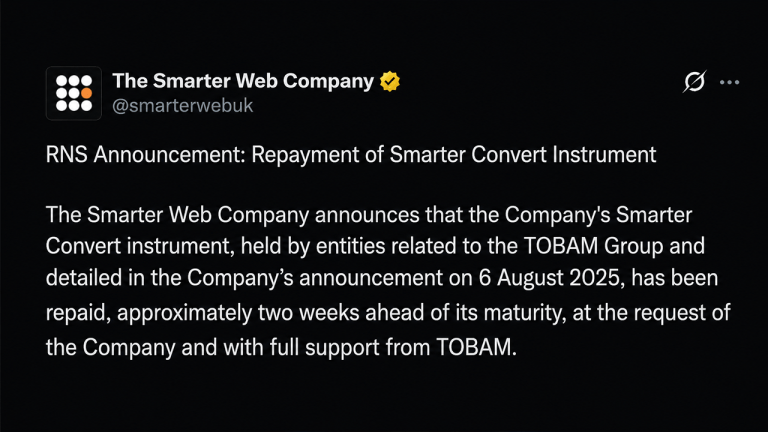
Bitcoin Treasury Move: Smarter Web Sells 177 BTC to Fast-Track Debt Repayment
This liquidation comes at a pivotal time for digital asset treasury (DAT) firms, which are navigating a particularly turbulent year for corporate crypto reserves. The decision to fund the early repayment through a bitcoin sale underscores a strategic shift toward liquidity management and debt reduction amidst ongoing market volatility.
Goldman Sachs CEO Backs 'Imperfect' CLARITY Act Amid Crypto Regulation Battle
This endorsement comes at a critical time as lawmakers prepare to vote, with many banking peers still opposing the bill due to controversial stablecoin provisions. The tension centers on whether crypto firms should be allowed to offer yields on stablecoins outside the strict regulatory frameworks governing traditional financial institutions.
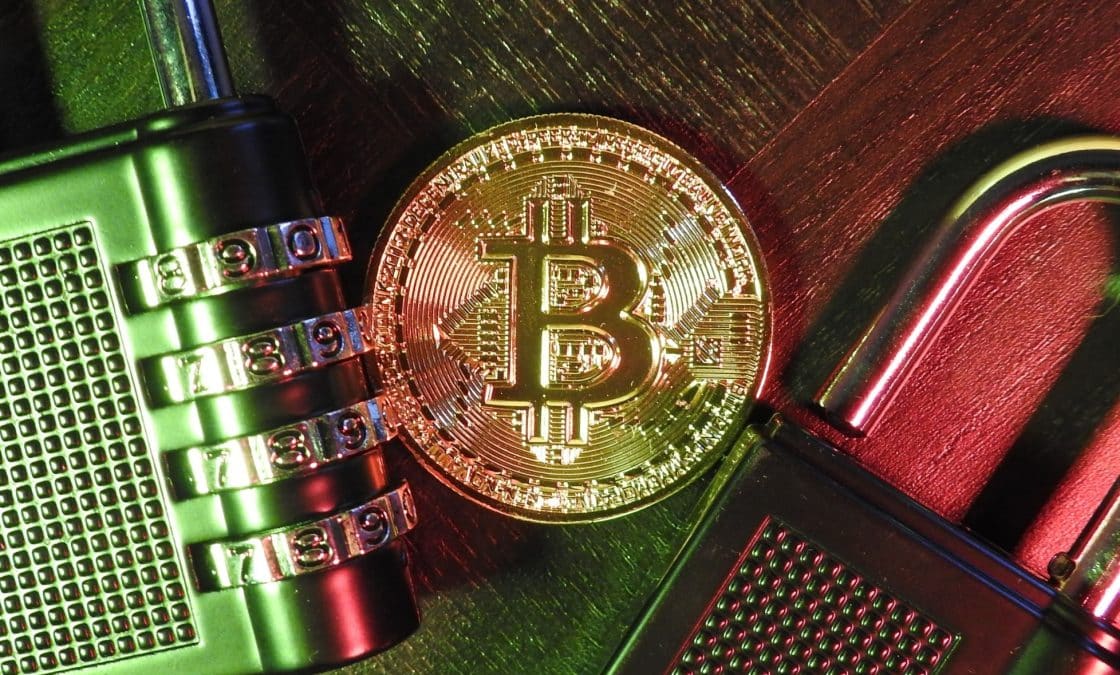
Institutional Power Move: BlackRock, Coinbase, and MicroStrategy Launch $15M Bitcoin Security Consortium
This strategic initiative aims to fortify the network's long-term resilience and mitigate potential systemic threats. By prioritizing high-level research and development, these global leaders are setting a new standard for institutional-grade security, ensuring that Bitcoin remains the most secure and reliable digital asset for the global financial system.
