Short-sighted Stock Market Can No Longer Ignore War: The $100 Oil Threat
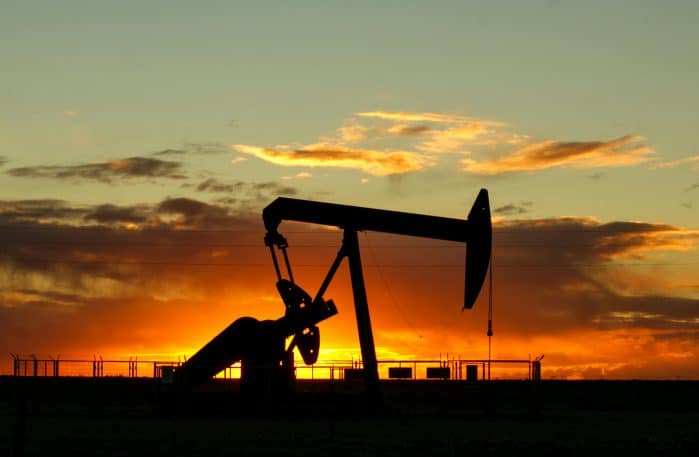
The stock market is running out of room to ignore escalating geopolitical tensions as the threat of $100 oil looms large. This surge in energy costs poses a direct threat to global stability, potentially reigniting inflationary pressures that could destabilize current market trends.
Beyond immediate price hikes, the consequences extend to squeezed corporate margins and increased consumer costs. As geopolitical risks intensify, the inability to brush off these macro shifts suggests a period of heightened volatility for both traditional equities and broader financial markets.
The short-sighted stock market can no longer brush off the realities of war and geopolitical instability. With the looming possibility of oil prices hitting the $100 mark, the economic implications are becoming impossible to overlook. Rising oil prices driven by geopolitical tensions could trigger significant inflation, directly impacting consumer costs, eroding corporate margins, and threatening overall market stability. Investors who previously dismissed these risks are now facing a landscape where energy volatility is a central driver of economic uncertainty.
This is a summarized and adapted version by Artificial Intelligence. To read the complete original story, visit the official source.
Read Full Article at Crypto BriefingSupport Jornal Bitcoin
Independent journalism, curated by AI, no clickbait. Keep the flame alive with any amount of BTC.
jonata@walletofsatoshi.comDaily Crypto Brief 📬
Subscribe to receive the curation of the most important Bitcoin and crypto news, summarized by AI. No spam.
Join more than 10,000 smart readers.
Related News
Brent Crude Surges Past $100 as Houthi Strikes and Trump's War Threats Ignite Markets
Market volatility is further amplified by Donald Trump's aggressive warnings to Iran, threatening 'major military punishment' for continued aggression. As a second front of conflict opens, the threat to maritime trade routes looms large, potentially driving up global inflation and energy costs.
Geopolitical Alert: Trump Weighing 'Largest Ever' Military Strike Against Iran
This potential escalation in geopolitical tensions carries profound implications for global market stability and risk asset volatility. Should such a large-scale conflict materialize, the consequences could reshape international relations and trigger massive economic shocks, impacting everything from oil prices to investor sentiment across all financial sectors.
Geopolitical Flashpoint: US Missile Strikes on Qeshm Island Ignite Global Tensions
Beyond the immediate strikes, speculation is mounting regarding the long-term consequences, including controversial predictions of a potential US invasion of Iran before 2027. As these tensions escalate, the intersection of military conflict and global economic stability remains a critical focal point for market participants.

Market Alert: Oil Hits $100 and US Interest Rate Hikes Loom Over Investors
For investors, this dual threat of high energy costs and rising yields creates a complex landscape for asset allocation. The interplay between crude oil volatility and Federal Reserve policy could significantly impact risk assets, forcing a strategic re-evaluation of portfolios ranging from energy stocks to fixed-income securities.
Digital Warfare: EU Launches New Sanctions Targeting Russian Crypto Operators and Banks
By integrating crypto-assets into its sanctions framework, the EU is signaling a major shift in how digital finance is used in geopolitical conflicts. This crackdown on crypto exchanges and financial service providers is designed to close loopholes used for capital evasion, tightening the noose on Russia's ability to bypass international financial restrictions.
Historical Shift: Equities Overtake Real Estate as Top US Wealth Driver for First Time Since WWII
This pivot underscores a significant evolution in how capital is accumulated and preserved in the modern era. As the dominance of real estate wanes in favor of equity markets, investors must recalibrate their understanding of long-term wealth drivers and the growing influence of the stock market on global financial stability.
