Black Sea Strike: Ukrainian Forces Target Russian Oil Tankers
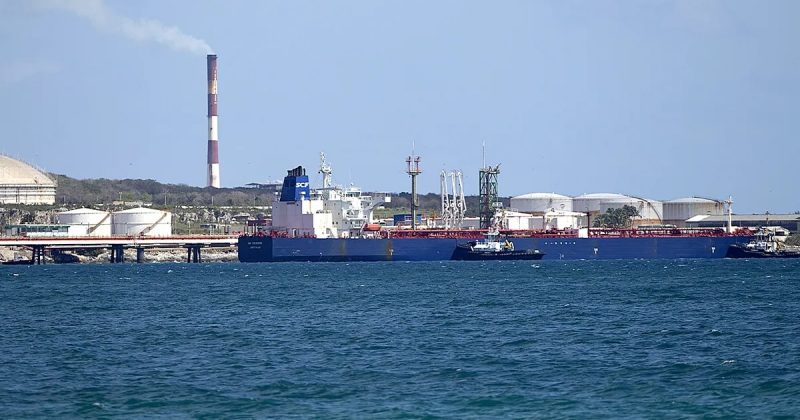
Ukrainian forces have successfully targeted two Russian oil tankers in the Black Sea, executing a high-stakes strike against Russia's maritime energy logistics. This tactical maneuver is designed to disrupt the flow of essential resources and cripple the economic backbone supporting the Russian military effort.
Beyond the immediate tactical success, this escalation heightens geopolitical tensions and threatens the stability of regional energy corridors. As the conflict evolves, such precision strikes on critical infrastructure demonstrate a growing capability to impact the broader economic landscape of the war.
Ukrainian forces have targeted two Russian oil tankers in the Black Sea, according to military reports from Kyiv. The strike represents a significant escalation in maritime warfare, aiming to disrupt Russian fuel supplies. Amidst these developments, geopolitical analysts continue to monitor shifting frontlines and the long-term strategic implications of naval dominance in the region.
This is a summarized and adapted version by Artificial Intelligence. To read the complete original story, visit the official source.
Read Full Article at Crypto BriefingSupport Jornal Bitcoin
Independent journalism, curated by AI, no clickbait. Keep the flame alive with any amount of BTC.
jonata@walletofsatoshi.comDaily Crypto Brief 📬
Subscribe to receive the curation of the most important Bitcoin and crypto news, summarized by AI. No spam.
Join more than 10,000 smart readers.
Related News
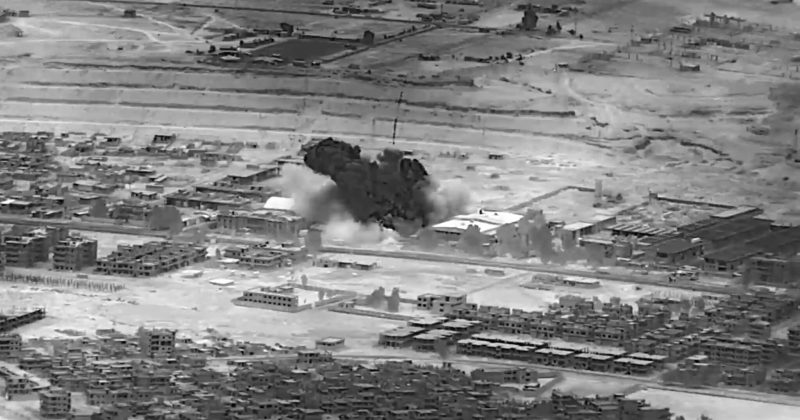
Geopolitical Flashpoint: US Airstrikes Target Iranian Military Sites for 8th Straight Night
The ongoing conflict between the US and Iran heightens global risk premiums, forcing investors to re-evaluate their positions in high-risk assets. As the situation evolves, the market remains on high alert for any retaliatory strikes that could further destabilize the global economy and influence the flow of capital into digital assets.

GCC Condemns Iranian Attacks on Bahrain, Kuwait, and Jordan, Citing War Crimes
As geopolitical tensions rise in the Middle East, the impact on digital asset markets remains a primary concern for institutional investors. The direct confrontation between Iran and Gulf states creates a high-risk environment, where sudden shifts in geopolitical stability often trigger massive liquidations and a flight to liquidity within the cryptocurrency ecosystem.
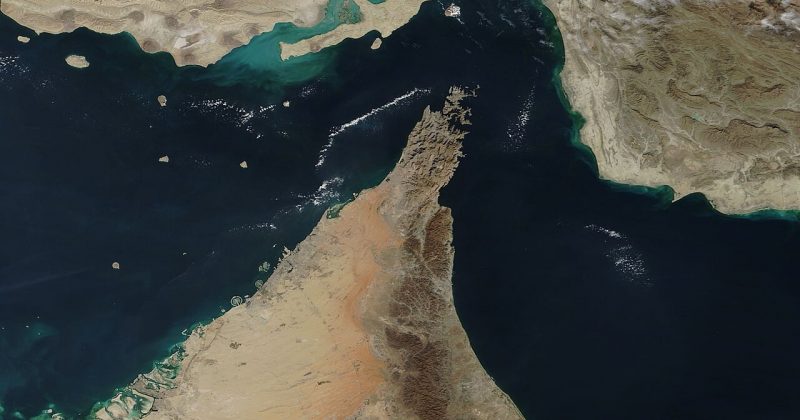
Geopolitical Shockwave: Iran May Impose Strait of Hormuz Transit Fees by 2026
The prospect of Iran imposing transit fees in the Strait of Hormuz poses a direct threat to global trade stability. Such a move would likely trigger massive volatility in energy markets and force a radical restructuring of international shipping routes and logistics costs.
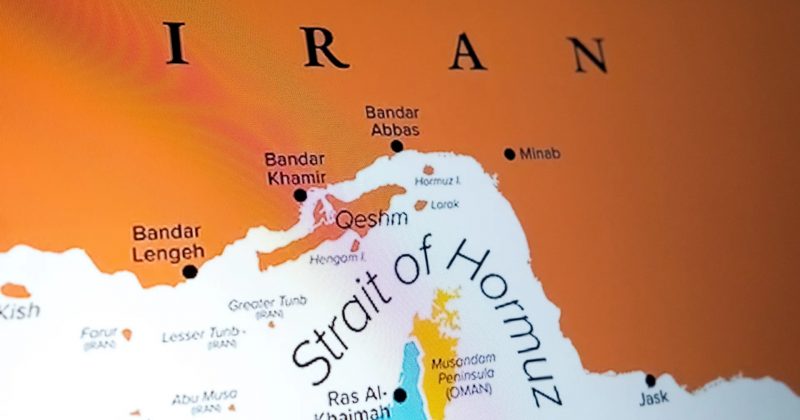
Geopolitical Flashpoint: US-Iran Strikes in Strait of Hormuz Send Markets on Edge
Amidst the kinetic conflict, a strategic layer emerges regarding a potential US-Iran deal involving reconstruction funding slated for 2026, currently sitting at a 26.5% approval threshold. The interplay between immediate military strikes and these long-term diplomatic frameworks will dictate the trajectory of global market volatility.
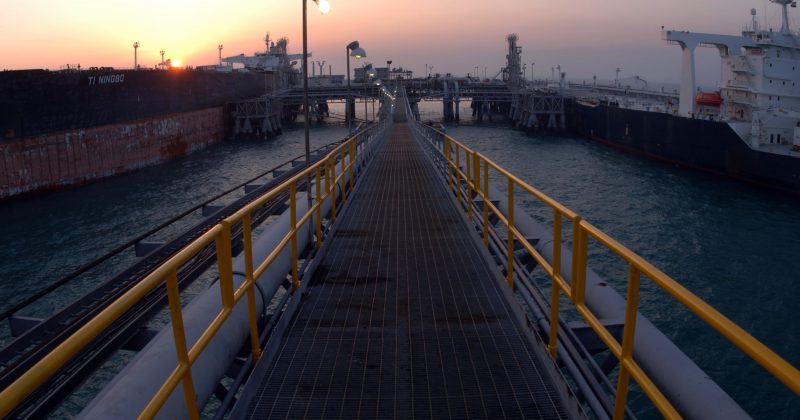
Basra Drone Incident: SOMO Clarifies No Direct Attack on Oil Terminal
The incident underscores the ongoing regional tensions that continue to impact Iraq's oil sector. It highlights the persistent vulnerabilities within the energy supply chain as geopolitical conflicts create unpredictable risks for global oil stability.
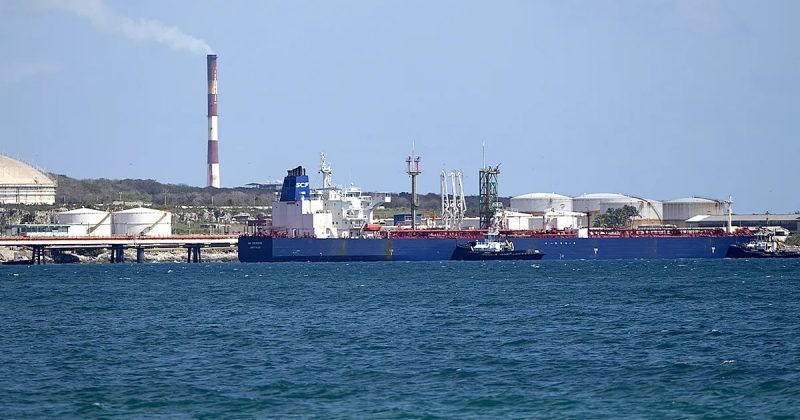
Black Sea Strike: Ukraine Hits Six Russian Tankers in Major Economic Warfare Move
Beyond immediate tactical gains, these strikes threaten to isolate Crimea and cripple Russia's energy exports. By targeting the flow of commodities, Ukraine is positioning itself to exert massive pressure on Russia's economic stability and its ability to maintain energy-driven revenue streams.
