Geopolitical Flashpoint: US Airstrikes Target Iranian Military Sites for 8th Straight Night
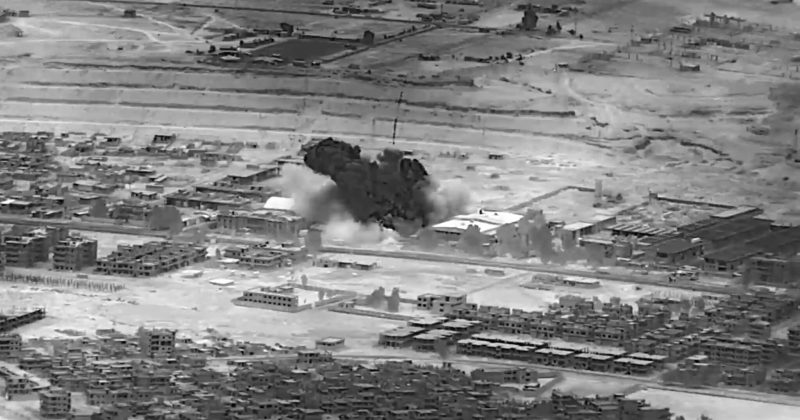
Global instability reaches a fever pitch as US airstrikes hit Iranian military sites for the eighth consecutive night. This rapid escalation in military action serves as a critical signal for crypto markets, where geopolitical tension often triggers massive volatility and shifts in liquidity.
The ongoing conflict between the US and Iran heightens global risk premiums, forcing investors to re-evaluate their positions in high-risk assets. As the situation evolves, the market remains on high alert for any retaliatory strikes that could further destabilize the global economy and influence the flow of capital into digital assets.
In a continuous escalation of hostilities, US airstrikes have targeted Iranian military sites for the eighth consecutive night. This military maneuver signals a deepening regional conflict, keeping the crypto community on edge regarding global security developments and the subsequent impact on market volatility.
This is a summarized and adapted version by Artificial Intelligence. To read the complete original story, visit the official source.
Read Full Article at Crypto BriefingSupport Jornal Bitcoin
Independent journalism, curated by AI, no clickbait. Keep the flame alive with any amount of BTC.
jonata@walletofsatoshi.comDaily Crypto Brief 📬
Subscribe to receive the curation of the most important Bitcoin and crypto news, summarized by AI. No spam.
Join more than 10,000 smart readers.
Related News

Polymarket Odds Peg Israel-Iran Ceasefire at 99.6% Through July 18
However, the broader security landscape remains fraught with tension. Israel’s Foreign Ministry has noted a record surge in antisemitic incidents globally over the past year, signaling that while a ceasefire may be anticipated, the underlying security pressures and geopolitical volatility continue to escalate beyond Israel's borders.

Middle East Crisis: US-Iran Military Escalation Tanks Bitcoin Below $64K
The sudden military friction highlights the sensitivity of the digital asset market to global instability. As the conflict between the US and Iran intensifies, the crypto market faces heightened uncertainty, with investors closely watching how geopolitical shifts will impact liquidity and the broader macroeconomic landscape.
Geopolitical Shift: Polymarket Odds Hit 63.5% for US Halting Iran Operations by August 31
As these odds fluctuate, the broader landscape of global instability is being fueled by escalating conflicts elsewhere, including Ukraine's report of the largest Russian ballistic-missile strike to date. The intersection of Middle Eastern tensions and the intensifying war in Ukraine creates a complex web of geopolitical risk that investors must navigate carefully.

Brazil's CVM Moves to Regulate Securities Tokenization with New Strategic Working Group
This initiative represents a major milestone for the Brazilian financial landscape, providing a structured framework for blockchain-based assets. As the CVM defines these new standards, the impact on market liquidity and institutional adoption of tokenized securities is expected to be profound, solidifying Brazil's role in the global digital economy.
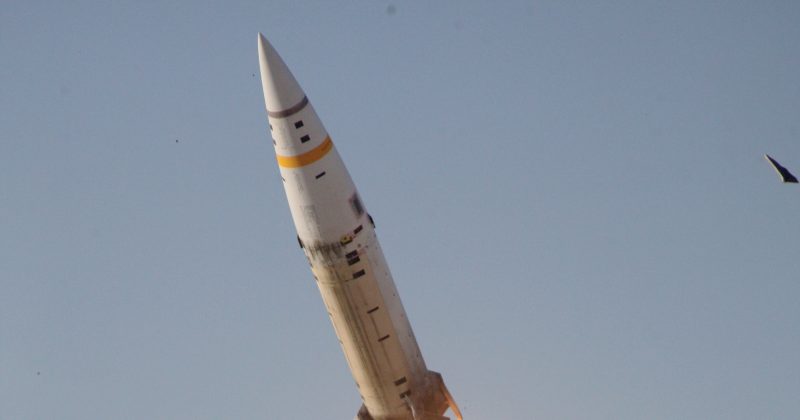
Maximum Escalation: Russia Launches Largest Ballistic Missile Wave Against Ukraine Since 2022
Analysts and predictive models are now closely monitoring the possibility of a direct NATO-Russia military clash, with a calculated 17.5% probability of such an event occurring by December 31, 2026. For the crypto sector, this surge in geopolitical volatility reinforces the role of Bitcoin as a hedge during times of systemic risk and uncertainty.
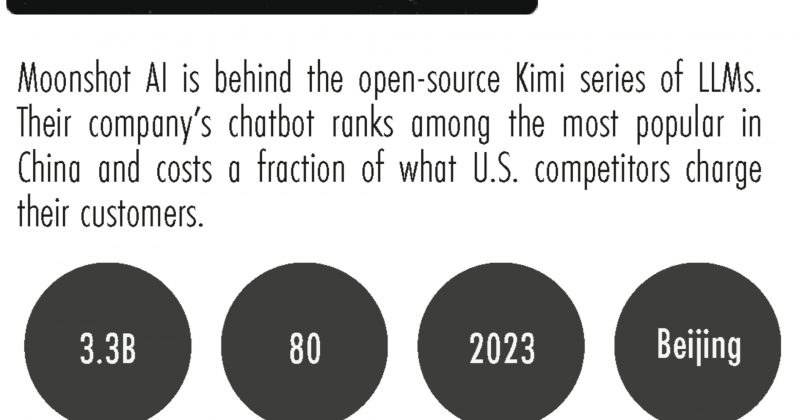
The ChatGPT Killer? Moonshot AI Targets Massive Hong Kong IPO as Kimi K3 Disrupts Tech and Crypto Markets
As the Kimi K3 model continues to rattle established players, the broader market is reacting with significant volatility. The resulting sell-offs in tech stocks highlight a shifting paradigm in the AI race, creating a ripple effect that is forcing investors to recalibrate their positions across the digital asset and traditional technology sectors.
