Cyber Warfare Escalation: EU and UK Hit Russia with New Sanctions
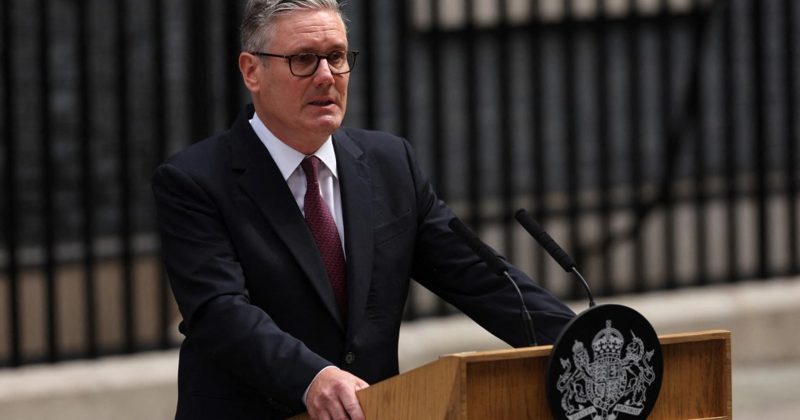
The European Union and the United Kingdom have officially imposed a new wave of sanctions against Russia following allegations of state-sponsored cyberattacks. This decisive action serves as a direct response to increasing digital aggression, aiming to curb Russia's military capabilities through economic and technological pressure.
These sanctions underscore the rapidly escalating geopolitical tensions that are reshaping international relations. As these measures take effect, the resulting shift in global market dynamics and the heightened focus on cybersecurity will likely drive significant volatility across interconnected financial systems.
The EU and UK have imposed new sanctions on Russia over alleged cyberattacks. The sanctions highlight escalating geopolitical tensions, potentially curbing Russia's military actions and impacting global market dynamics. As digital warfare becomes a central pillar of modern conflict, these regulatory responses mark a critical turning point for international security and economic stability.
This is a summarized and adapted version by Artificial Intelligence. To read the complete original story, visit the official source.
Read Full Article at Crypto BriefingSupport Jornal Bitcoin
Independent journalism, curated by AI, no clickbait. Keep the flame alive with any amount of BTC.
jonata@walletofsatoshi.comDaily Crypto Brief 📬
Subscribe to receive the curation of the most important Bitcoin and crypto news, summarized by AI. No spam.
Join more than 10,000 smart readers.
Related News

Is the Bitcoin Sell-Off Over? Why Profit Margins Are Drying Up for Sellers
Despite the geopolitical noise surrounding the U.S.-Iran escalation, Bitcoin is showing remarkable resilience. This stability is being bolstered by renewed spot ETF inflows, which are absorbing supply and providing a strong fundamental floor for the cryptocurrency's current price action.
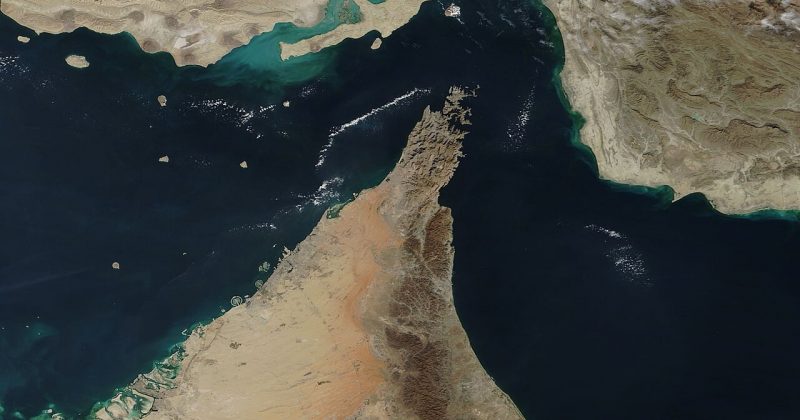
Geopolitical Alert: US Naval Blockade in Strait of Hormuz Delayed, Fueling Market Uncertainty
As geopolitical tensions continue to simmer, the potential for sudden escalation remains a primary concern for risk management. The impact on energy markets and broader economic stability could be profound, as the world waits to see if the blockade will proceed and disrupt one of the world's most vital maritime chokepoints.
Bitcoin Under Siege: Hormuz Strait Tensions Threaten $62K Support
Wall Street's downward opening reflects a massive shift toward risk aversion. The escalating tensions in the Middle East are driving investors away from volatile assets, creating a challenging environment for Bitcoin as it navigates this sudden macro-economic shock.
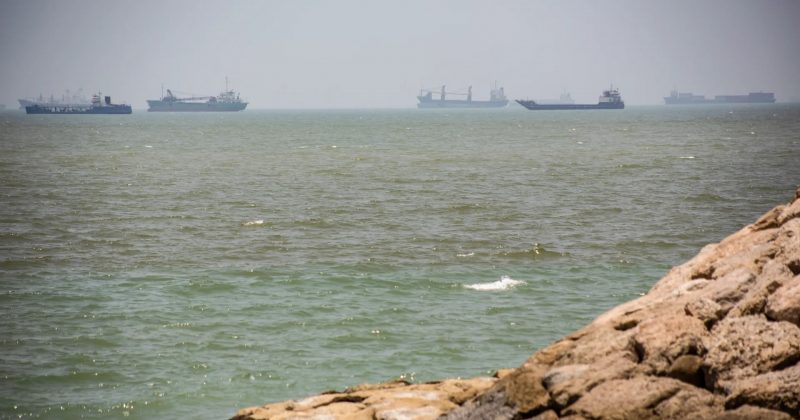
Hormuz Standoff: US Fails to Consult Allies Amid Escalating Iran Fee Tensions
This diplomatic isolation is expected to fuel market uncertainties and heighten regional economic instability. As the standoff over Iranian fees intensifies, the absence of a unified allied front creates a vacuum of predictability, potentially triggering volatility across energy markets and broader financial sectors.
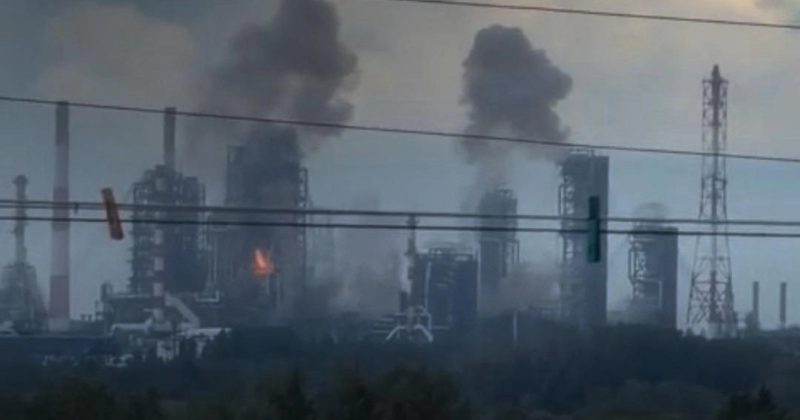
Energy Warfare: Ukraine Strikes Russian Infrastructure, Triggering Fuel Shortages
Beyond the immediate battlefield, these strikes could fundamentally shift conflict dynamics and cause significant ripples in global energy markets. The resulting volatility poses a direct threat to international geopolitical strategies and global energy security stability.
UK Treasury Report Signals Massive Tokenization Shift, Citing Ripple as Convergence Model
Crucially, the report warms to the potential of permissionless networks, positioning firms like Ripple as the gold standard for convergence models. This shift toward asset tokenization could redefine global liquidity and bridge the gap between traditional finance and decentralized infrastructure.
