Oil Shock: EU Freezes Russian Crude Price at $44.10 for One Year
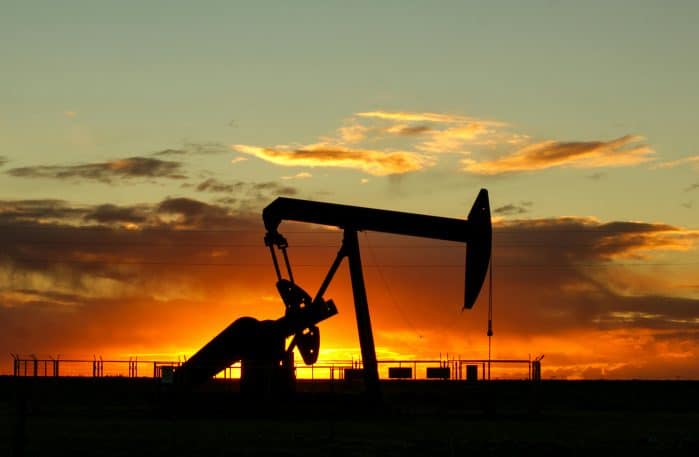
The European Union has taken a decisive step by freezing the price of Russian oil at $44.10 per barrel for a 12-month period. This regulatory intervention is designed to stabilize energy markets and exert economic pressure through strict price caps on crude oil imports.
Despite this freeze, market indicators suggest a massive surge is imminent, with crude oil expected to hit an all-time high by September 30. A projected 6.7% increase highlights the growing tension between EU policy and the surging global demand for energy commodities.
The EU has officially frozen the price of Russian oil at $44.10 per barrel for the next 12 months. This move is part of a broader strategy to manage energy security and economic sanctions.
However, the market is bracing for volatility. Analysts are forecasting a new all-time high for crude oil by September 30, with a projected rise of 6.7%, signaling a potential disconnect between the EU's price ceiling and global market realities.
This is a summarized and adapted version by Artificial Intelligence. To read the complete original story, visit the official source.
Read Full Article at Crypto BriefingSupport Jornal Bitcoin
Independent journalism, curated by AI, no clickbait. Keep the flame alive with any amount of BTC.
jonata@walletofsatoshi.comDaily Crypto Brief 📬
Subscribe to receive the curation of the most important Bitcoin and crypto news, summarized by AI. No spam.
Join more than 10,000 smart readers.
Related News
Inflation Panic: Oil Price Surge Triggers Massive Global Bond Sell-Off
With crude oil projected to hit new all-time highs by December 31, potentially rising by 16.5%, the macroeconomic implications are profound. The volatility in the energy sector is directly impacting bond yields, creating a ripple effect across global financial markets and complicating the outlook for economic stability.

Crypto Revolution in the EU: Ramp Network Debuts Multichain Wallet with Real USDC Rewards
This move marks a significant milestone for crypto infrastructure in Europe, bridging the gap between regulatory compliance and decentralized finance utility. By combining a multichain wallet with a built-in rewards program, Ramp Network is setting a new benchmark for how users interact with digital assets, ensuring both security and yield in a MiCA-compliant environment.

Geopolitical Shockwave: Polymarket Bets 10.5% on Iran Regime Collapse Amid US Strikes
The intensification of US strikes and the resulting volatility in prediction markets highlight a growing risk of regional warfare. As the situation evolves, the intersection of military action and market sentiment provides a crucial signal for global risk assessment and macroeconomic stability.

Iran-Red Sea Conflict Escalation Threatens Global Oil Supply Routes
As market participants eye the Strait of Hormuz, the focus remains on whether maritime traffic can normalize by August 31. Any disruption in these vital shipping lanes could lead to a supply shock, creating ripple effects that extend far beyond the energy sector into broader macroeconomic stability.
Oil Prices Surge: Middle East Tensions Threaten Global Chokepoints
Market forecasts suggest a bullish trend could carry crude oil to new all-time highs by December 31, with potential gains reaching 16%. This surge underscores the direct link between Middle East tensions and the escalating costs of global energy commodities.

EU Targets Google with Massive Fines Under Digital Markets Act
As Alphabet maintains its position as the world's second-largest company by market cap, the enforcement of the Digital Markets Act represents a critical turning point for Big Tech regulation. The consequences of these potential fines could reshape how global technology leaders operate, setting a high-stakes precedent for antitrust enforcement worldwide.
