Geopolitical Shockwave: Polymarket Bets 10.5% on Iran Regime Collapse Amid US Strikes

Geopolitical instability is surging as Polymarket prediction markets now price in a 10.5% probability of the Iranian regime falling before 2027. This shift follows a massive escalation in military activity, with US forces completing their 12th consecutive night of targeted strikes against Iranian interests.
The intensification of US strikes and the resulting volatility in prediction markets highlight a growing risk of regional warfare. As the situation evolves, the intersection of military action and market sentiment provides a crucial signal for global risk assessment and macroeconomic stability.
This is a summarized and adapted version by Artificial Intelligence. To read the complete original story, visit the official source.
Read Full Article at Blockchain.newsSupport Jornal Bitcoin
Independent journalism, curated by AI, no clickbait. Keep the flame alive with any amount of BTC.
jonata@walletofsatoshi.comDaily Crypto Brief 📬
Subscribe to receive the curation of the most important Bitcoin and crypto news, summarized by AI. No spam.
Join more than 10,000 smart readers.
Related News
Triple Death Sentence in Tehran: The Human Cost of Iranian Resistance
Beyond the immediate legal tragedy, this sentence fuels speculation regarding the long-term survival of the current administration. With some analysts forecasting a potential fall of the Iranian regime by the end of 2026, the intensifying judicial violence against protesters like Shokouhian acts as a volatile trigger for broader geopolitical shifts.
Explosions at Shalamcheh Border Crossing Fuel Iran-US Tensions
With reports suggesting a potential full airspace closure by July 31, the threat of a broader conflict is looming. The convergence of military tension and logistical disruptions creates a high-stakes environment, forcing traders to brace for potential volatility and sudden macroeconomic shifts.
Iran-Red Sea Conflict Escalation Threatens Global Oil Supply Routes
As market participants eye the Strait of Hormuz, the focus remains on whether maritime traffic can normalize by August 31. Any disruption in these vital shipping lanes could lead to a supply shock, creating ripple effects that extend far beyond the energy sector into broader macroeconomic stability.

Japan's Stablecoin Crisis? Startale CEO Warns of Liquidity Silos and Fragmentation
To combat this, industry leaders are advocating for regulated access to open infrastructure, leveraging interoperable layers like Soneium to bridge the gap between regulated assets and public Web3 rails. Establishing this connectivity is vital to ensure that Japan's institutional support translates into a unified and scalable digital economy.

Senate Gridlock Dims Clarity Act 2026 Outlook as Polymarket Odds Plummet
This legislative slowdown carries heavy implications for market stability and institutional adoption. As the Senate remains deadlocked, the lack of a clear regulatory framework continues to create a vacuum of uncertainty, potentially delaying the integration of crypto assets into the broader financial system.
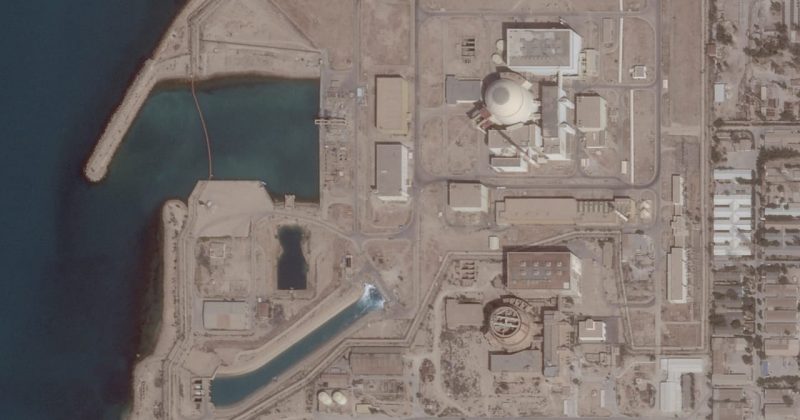
Geopolitical Escalation: US Missile Strike Damages Equipment in Iran’s Bushehr
Compounding the situation, there is a significant 56.5% probability of a full airspace closure by August 31. Such a massive restriction on airspace could trigger immediate volatility in the crypto market as traders react to the heightened threat of conflict and potential disruptions in international logistics.
