Iran-Red Sea Conflict Escalation Threatens Global Oil Supply Routes

The escalation of the Iran-led conflict into the Red Sea has triggered urgent concerns regarding global oil supply security. This geopolitical tension poses a direct threat to critical maritime corridors, potentially inducing massive volatility across energy markets and global trade networks.
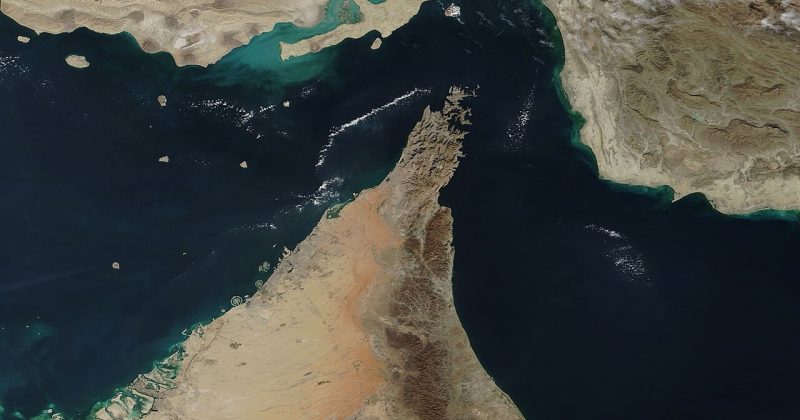
As market participants eye the Strait of Hormuz, the focus remains on whether maritime traffic can normalize by August 31. Any disruption in these vital shipping lanes could lead to a supply shock, creating ripple effects that extend far beyond the energy sector into broader macroeconomic stability.
This is a summarized and adapted version by Artificial Intelligence. To read the complete original story, visit the official source.
Read Full Article at Crypto BriefingSupport Jornal Bitcoin
Independent journalism, curated by AI, no clickbait. Keep the flame alive with any amount of BTC.
jonata@walletofsatoshi.comDaily Crypto Brief 📬
Subscribe to receive the curation of the most important Bitcoin and crypto news, summarized by AI. No spam.
Join more than 10,000 smart readers.
Related News

Geopolitical Shockwave: Polymarket Bets 10.5% on Iran Regime Collapse Amid US Strikes
The intensification of US strikes and the resulting volatility in prediction markets highlight a growing risk of regional warfare. As the situation evolves, the intersection of military action and market sentiment provides a crucial signal for global risk assessment and macroeconomic stability.
Trump’s Iran Oil Blockade Triggers Oil Price Surge and Dow Jones Slump
Market experts are now bracing for extreme volatility, with projections suggesting oil could hit new all-time highs by December 31. The potential 16.5% surge highlights the massive impact that Middle East tensions have on global energy supplies and broader economic stability.

US House Passes $95B Budget: Massive Military Pivot Toward Iran Conflict and Trump Agenda
Beyond immediate defense, the budget hints at long-term geopolitical restructuring, including discussions on reconstruction funding for a potential US-Iran deal by 2026. As these fiscal decisions unfold, the intersection of high-stakes diplomacy and massive government spending is set to drive significant global market volatility and geopolitical shifts.
Geopolitical Shift: Middle East Pipelines Aim to Bypass Strait of Hormuz Amid Rising Tensions
As markets brace for potential supply disruptions, the impact on energy pricing is becoming increasingly evident. With forecasts suggesting WTI Crude could hit $110 by July 2026, these bypass projects are essential for mitigating the extreme volatility associated with the Strait of Hormuz and ensuring long-term energy security.
Iran Conflict Sends Diesel Prices Surging to $5.05, Threatening Food and Housing Costs
Market analysts warn that crude oil is on track to hit new highs by December 31, with a projected increase of 15.5%. This surge in energy costs, fueled by geopolitical instability, threatens to destabilize commodity markets and increase the cost of living worldwide.

Iran Drone Strikes on CIA Facilities Spark Fears of Russian Involvement
Analysts are closely monitoring the situation, noting that the suspected involvement of Russia in these drone operations adds a dangerous layer of complexity to Middle East tensions. With a projected 60.5% probability of military action against a Gulf state by July 22, the threat of a broader regional conflict is mounting.
