AI Chip Wars: Google Targets Nvidia Customers in Aggressive TPU Sales Push
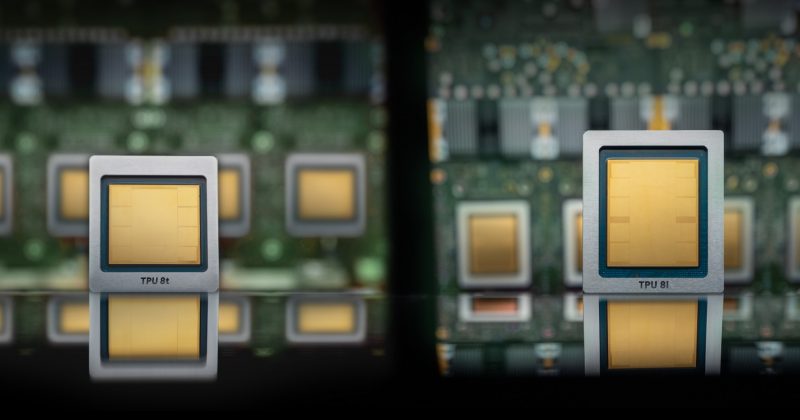
Google is launching an aggressive sales offensive for its TPUs (Tensor Processing Units), specifically targeting Nvidia's massive customer base. This strategic pivot signals a major shift in the AI chip wars, aiming to disrupt the current market dominance and introduce much-needed competition into the hardware landscape.
By challenging Nvidia's stronghold, Google is positioning itself as a primary alternative for companies seeking specialized AI hardware. This shift could lead to a more diversified semiconductor market, potentially lowering the barrier to entry for AI development and reshaping how cloud computing giants compete for computational supremacy.
Google's aggressive TPU sales strategy could reshape the AI chip market, challenging Nvidia's dominance and diversifying industry competition. By targeting Nvidia's core customers, Google is signaling a major shift in the AI chip wars, moving from a provider of cloud services to a direct competitor in the high-stakes semiconductor race.
This is a summarized and adapted version by Artificial Intelligence. To read the complete original story, visit the official source.
Read Full Article at Crypto BriefingSupport Jornal Bitcoin
Independent journalism, curated by AI, no clickbait. Keep the flame alive with any amount of BTC.
jonata@walletofsatoshi.comDaily Crypto Brief 📬
Subscribe to receive the curation of the most important Bitcoin and crypto news, summarized by AI. No spam.
Join more than 10,000 smart readers.
Related News
AMD Strikes Back in the AI War: New ROCm Certification Targets AI and HPC Experts
By fostering a certified workforce, AMD is building a moat around its hardware capabilities, ensuring that the next generation of AI workloads can run seamlessly on its architecture. This certification program is a critical component in scaling the adoption of Instinct GPUs within enterprise data centers and global supercomputing networks.

TeraWulf Pivots to AI Powerhouse: The $19 Billion Anthropic Deal Explained
By asserting that 'not all megawatts are created equally,' leadership is highlighting the specialized energy requirements essential for high-performance computing. This transition positions TeraWulf to capitalize on the massive convergence of blockchain-grade energy assets and the explosive demand for AI-ready data centers.
Quantum Breakthrough: NVIDIA's Ising Decoder Slashes Error Rates by 300x
By leveraging AI-driven efficiencies, NVIDIA is directly addressing the stability issues required for fault-tolerant quantum computing. This development represents a critical leap forward in making large-scale, reliable quantum processors a reality for the industry.
Tech War: Apple Sues OpenAI Over Alleged Industrial Espionage
This legal battle carries heavy implications for OpenAI's financial future, potentially stalling its highly anticipated IPO. Furthermore, the litigation could serve as a massive roadblock for the startup's ambitions to penetrate the hardware market, reshaping the competitive landscape of the artificial intelligence industry.

AI Identity Crisis? Anthropic Study Uncovers Value Shifts Across Claude Models
These findings have massive implications for how we approach AI training and safety protocols. As developers strive for more predictable systems, recognizing these value variations becomes paramount to preventing unintended biases and ensuring that AI behavior remains consistent across diverse global languages and deployment scales.

The Era of Tokenized Stocks: Why Wall Street is Moving to the Blockchain
This shift signals a structural transformation in Wall Street, as asset tokenization moves from a theoretical concept to an operational reality. By integrating traditional equities into the blockchain, the market aims to slash intermediary costs and democratize access to global investments, cementing Web3 infrastructure at the core of global finance.
