Hyundai Disrupts Cross-Border Finance with Successful USDT and Avalanche Pilot

Hyundai Motor has successfully validated the future of corporate treasury management by completing a cross-border settlement pilot using Tether's USDT stablecoin. By leveraging the Avalanche blockchain, the automotive giant executed a transfer between its US and Mexican subsidiaries in just seven minutes, signaling a massive shift in how enterprise payments are handled globally.
This proof-of-concept highlights the growing institutional adoption of stablecoin-based payments to bypass the inefficiencies of traditional banking. While conventional cross-border transfers can take hours to settle, Hyundai's use of Axiym's settlement infrastructure and Hyundai Card's regulatory oversight demonstrates that blockchain technology offers a faster, more compliant, and highly efficient alternative for international liquidity management.
According to Tether, Hyundai Motor America converted the funds into USDT, transferred the stablecoin to Hyundai Motor Mexico, and subsequently converted it back into US dollars. This rapid transfer and verification process stands in stark contrast to traditional cross-border bank transfers, which typically require three to four hours or more. The pilot utilized Axiym's settlement infrastructure, while Hyundai Card designed the remittance structure and managed the regulatory, compliance, accounting, and operational requirements essential to the proof of concept.
This is a summarized and adapted version by Artificial Intelligence. To read the complete original story, visit the official source.
Read Full Article at CoinTelegraphSupport Jornal Bitcoin
Independent journalism, curated by AI, no clickbait. Keep the flame alive with any amount of BTC.
jonata@walletofsatoshi.comDaily Crypto Brief 📬
Subscribe to receive the curation of the most important Bitcoin and crypto news, summarized by AI. No spam.
Join more than 10,000 smart readers.
Related News

Robinhood’s Chainlink CCIP Integration Sets New Standard for Tokenized Equity Infrastructure
By leveraging CCIP, Robinhood is directly addressing the liquidity fragmentation that plagues the current blockchain landscape. This integration significantly raises the stakes for tokenized equity infrastructure, signaling to institutional players that the bridge between traditional finance and decentralized networks is becoming more robust and scalable.

Data War: Proposal to 'Clean' the Bitcoin Network Fails Due to Lack of Miner Support
The lack of consensus among validators underscores the immense difficulty of altering the Bitcoin protocol. While proponents of the 'cleanup' seek to optimize block space, the resistance from the mining community signals that any attempt to restrict non-financial data usage will face significant hurdles, keeping the debate over scalability and blockchain purpose at the forefront of the industry.

Hoskinson Rumors Debunked: Cardano Founder Reasserts Control Amid Speculation
This direct intervention is vital for maintaining investor confidence and ensuring the long-term roadmap of the blockchain remains on track. As the ADA market reacts to the news, Hoskinson's firm stance aims to shift the narrative from leadership uncertainty back to the core technological advancements of the Cardano ecosystem.
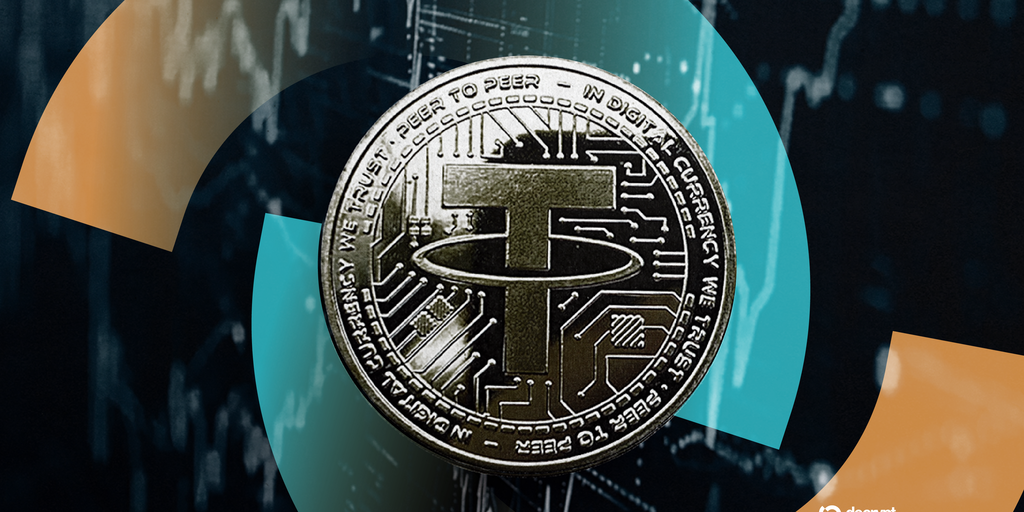
Bolivia May Add Tether’s USDT to Its National Payments System: Report
If the plan moves forward, it could meaningfully boost stablecoin adoption across South America by making transfers and everyday payments faster and more efficient. The proposal also raises the stakes on regulation and compliance, since integrating a crypto asset like USDT into payment rails inevitably brings scrutiny from policymakers and financial authorities.

The Great Convergence: Crypto Exchanges Emerge as the New Distribution Hub for Wall Street Assets
According to CryptoRank data, tokenized assets became the most-listed category across major centralized exchanges in the first half of 2026, accounting for nearly one in every five new listings. This surge highlights the growing dominance of tokenization as a fundamental mechanism for delivering institutional-grade assets to a global, 24/7 digital market.

Prediction Market Frenzy: World Cup Markets Surge to $5.81 Billion
This massive capital allocation highlights a significant shift in how digital asset traders interact with real-world events. As liquidity migrates toward World Cup prediction markets, it underscores the growing dominance of event-based trading as a legitimate pillar of the modern financial landscape.
