Market Shock: Trump Proposes 50% Tariffs on Canadian Goods, Triggering Global Uncertainty
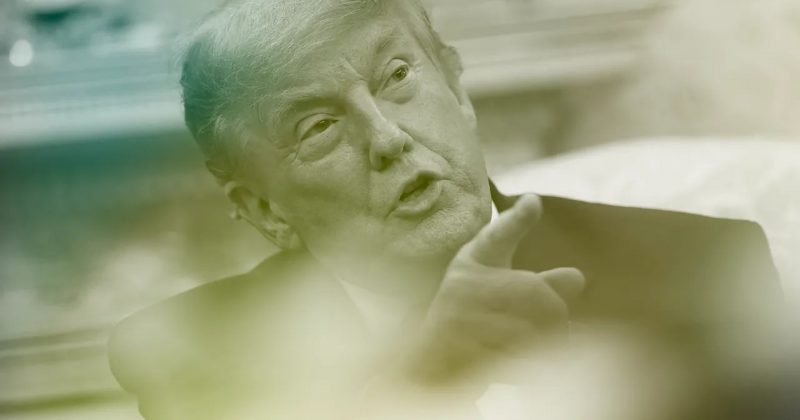
The global economic landscape is facing a major disruption following Donald Trump's announcement of a 50% tariff on $20 billion worth of Canadian goods. Targeting essential sectors such as autos and dairy, this protectionist move is expected to create significant ripples across international trade routes and financial markets.
This escalation in trade tensions carries heavy implications for crypto investors and traditional asset holders alike. As market volatility increases due to these geopolitical shifts, investors are closely watching for potential flight-to-safety moves and the broader impact on liquidity and risk appetite in the digital asset space.
Donald Trump has announced plans to impose 50% tariffs on $20 billion in Canadian goods, specifically targeting the automotive and dairy industries. This move carries wide-ranging implications for global markets and crypto investors, who are bracing for potential volatility and shifts in market sentiment resulting from these heightened trade tensions.
This is a summarized and adapted version by Artificial Intelligence. To read the complete original story, visit the official source.
Read Full Article at Crypto BriefingSupport Jornal Bitcoin
Independent journalism, curated by AI, no clickbait. Keep the flame alive with any amount of BTC.
jonata@walletofsatoshi.comDaily Crypto Brief 📬
Subscribe to receive the curation of the most important Bitcoin and crypto news, summarized by AI. No spam.
Join more than 10,000 smart readers.
Related News
Democrats Reportedly Move to Block CLARITY Act in Senate
As the political battle unfolds, market sentiment remains focused on long-term price targets, including the possibility of Bitcoin reaching $200,000 by late 2026. The outcome of this Senate struggle will be a decisive factor in determining the regulatory clarity required for institutional Bitcoin adoption.
VanEck Alert: Bitcoin's Quiet Summer is Hiding a Massive Supply Crunch
This divergence is driven by a tug-of-war between market forces: weak miner economics and cautious derivatives trading are weighing on near-term price action, yet long-term holders are aggressively accumulating. This structural scarcity, hidden behind a veil of seasonal inactivity, remains a primary driver for long-term bullish sentiment.

Beyond Nvidia: Franklin Templeton Identifies Crypto as the Next Big AI Play
At the heart of this strategy is the rise of autonomous agents capable of using crypto networks for seamless, automated payments. This evolution implies that as AI scales, decentralized finance will provide the essential economic layer required for machine-to-machine transactions.

Polymarket Shock: Eizenkot Odds Hit 51% for Israel PM Ahead of Critical Likud Vote
This development coincides with a high-stakes Monday vote within the Likud party, where members will decide on Benjamin Netanyahu’s long-delayed proposal for party primaries. The intersection of prediction market volatility and Israeli political maneuvering suggests a period of intense uncertainty for the nation's governance.

Mercedes faces potential US sales ban: Senate China bill targets automakers with Chinese ownership
Context and impact: While this is an auto-industry move, it reverberates across the connected-tech stack where data, connectivity, and cross-border supply chains matter. The Senate’s “China bill” could raise timelines, costs, and regulatory uncertainty for foreign-owned automakers, pressuring ownership reviews, compliance audits, and partner renegotiations.
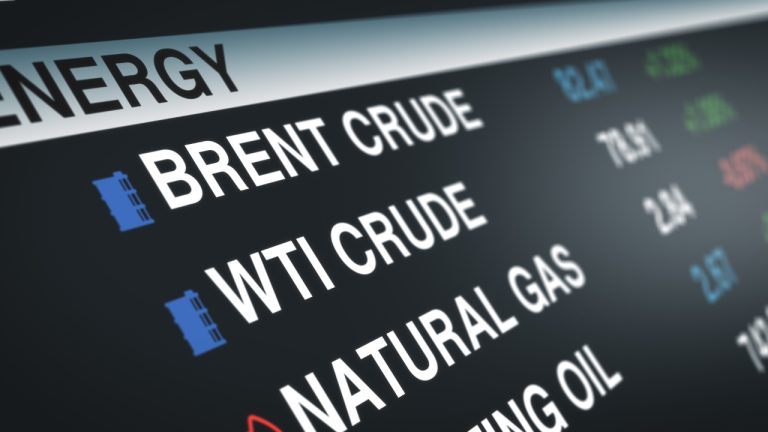
Red Alert: 1,900% Surge in Hidden Cost May Pose Greater Risk Than Oil Price Rally
This unprecedented move suggests that the underlying logistics of global energy transport are facing extreme volatility. While the market remains hyper-focused on oil price fluctuations, this explosive increase in hidden operational costs could trigger broader inflationary pressures and redefine global risk assessments for the energy sector.
