Mercedes faces potential US sales ban: Senate China bill targets automakers with Chinese ownership

Intel Brief: A bipartisan Senate bill would ban sales of connected vehicles by automakers with more than 15% Chinese ownership, putting Mercedes-Benz at risk of losing access to the US market.
Context and impact: While this is an auto-industry move, it reverberates across the connected-tech stack where data, connectivity, and cross-border supply chains matter. The Senate’s “China bill” could raise timelines, costs, and regulatory uncertainty for foreign-owned automakers, pressuring ownership reviews, compliance audits, and partner renegotiations.
In practice, the rule could affect companies like Mercedes depending on their shareholder structure and ownership percentages. If enacted, it would limit access to the US market and increase pressure for corporate restructuring, compliance reviews, and renegotiations with partners—adding uncertainty to the connected vehicle ecosystem.
This is a summarized and adapted version by Artificial Intelligence. To read the complete original story, visit the official source.
Read Full Article at Crypto BriefingSupport Jornal Bitcoin
Independent journalism, curated by AI, no clickbait. Keep the flame alive with any amount of BTC.
jonata@walletofsatoshi.comDaily Crypto Brief 📬
Subscribe to receive the curation of the most important Bitcoin and crypto news, summarized by AI. No spam.
Join more than 10,000 smart readers.
Related News
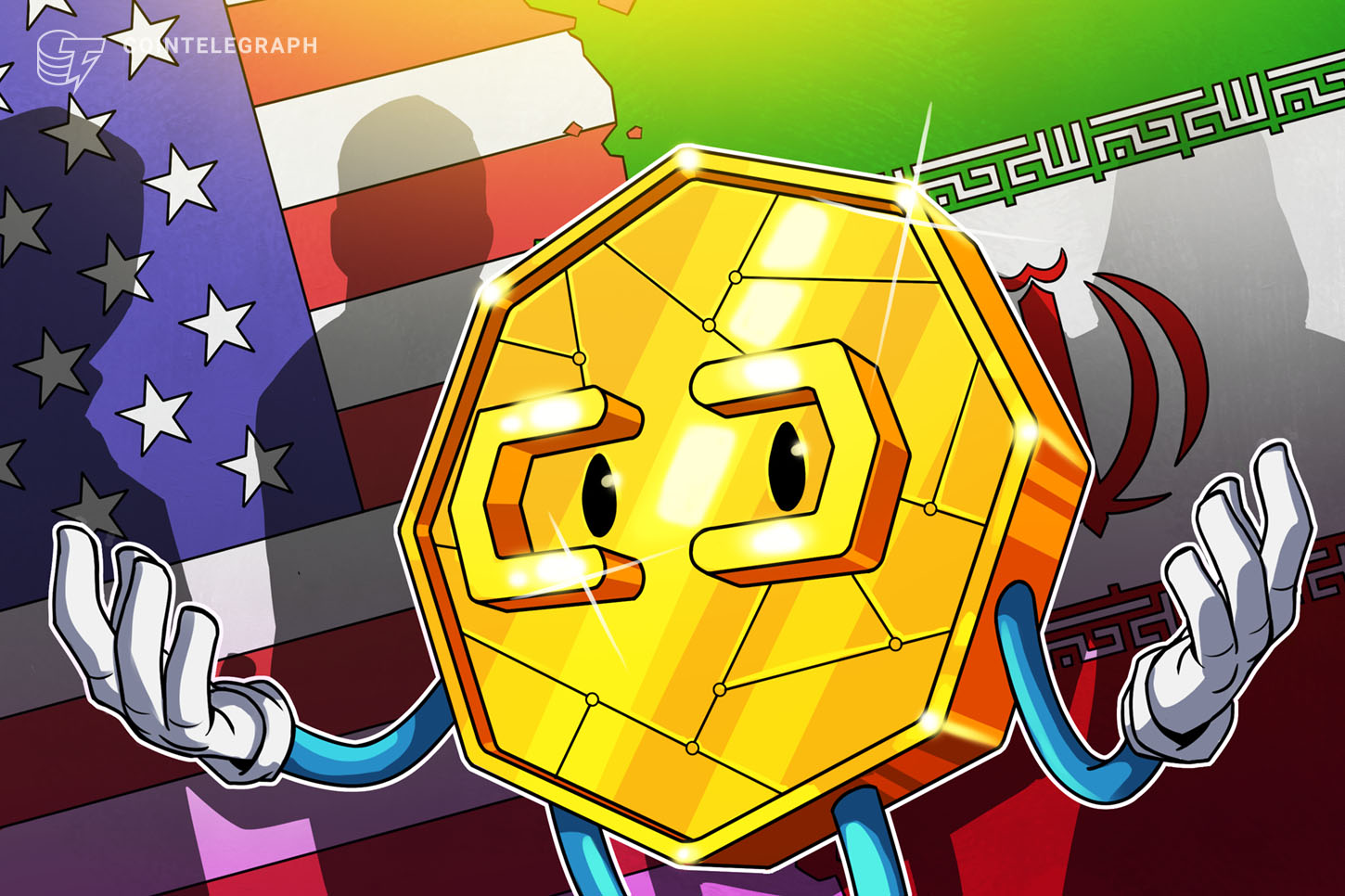
Bitcoin Defies US-Iran Tensions as S&P 500 Faces Potential Short Squeeze
Market analysts are now looking toward a potential divergence where Bitcoin outperforms the S&P 500. With a possible short squeeze on the horizon for US equities, the crypto market is showing signs of decoupling from traditional stock volatility, positioning BTC as a dominant force in the current macro environment.
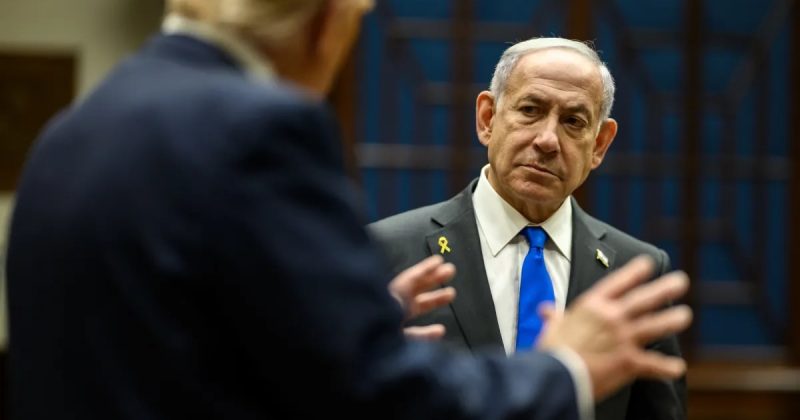
Diplomatic Shield: Why Netanyahu's Arrest in New York is Highly Unlikely
This legal deadlock underscores the friction between international justice and sovereign diplomatic protocols. As the world watches, the outcome of these protections will set a critical precedent for how global institutions navigate the arrest warrants of high-ranking world leaders and the limits of international law.

Jamie Dimon's Warning: Why the JPMorgan CEO is Avoiding Stocks and Long-Term Bonds
This defensive stance highlights a growing skepticism regarding market valuations and the potential for sudden volatility. As Dimon shifts away from aggressive positioning, his insights provide a crucial perspective on the macroeconomic landscape, suggesting that the current appetite for risk may be disconnected from underlying fiscal realities.
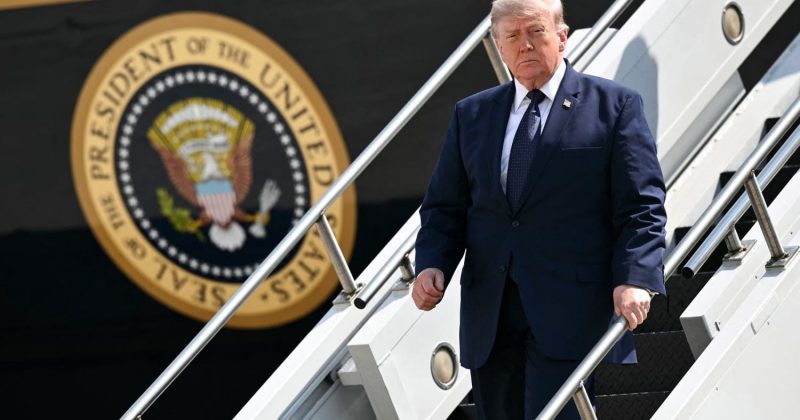
Trump’s Trade War Escalation: Why Crypto is Emerging as an Unlikely Safe Haven
This unusual synergy suggests that while traditional trade wars destabilize fiat currencies and global markets, the pro-crypto stance of the administration could position digital assets as a vital safe haven. Investors may increasingly turn to the crypto ecosystem to hedge against the systemic risks posed by escalating protectionism and trade disputes.
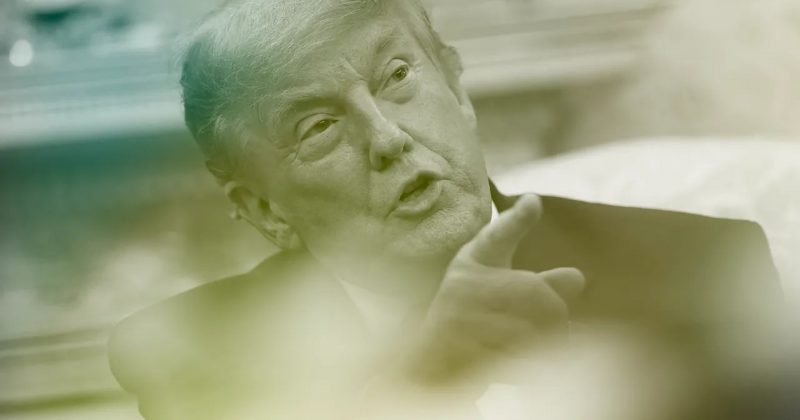
Market Shock: Trump Proposes 50% Tariffs on Canadian Goods, Triggering Global Uncertainty
This escalation in trade tensions carries heavy implications for crypto investors and traditional asset holders alike. As market volatility increases due to these geopolitical shifts, investors are closely watching for potential flight-to-safety moves and the broader impact on liquidity and risk appetite in the digital asset space.

Geopolitical Shift: Trump Approves Saudi Nuclear Deal Dropping IAEA Safeguards
This pivot in US foreign policy carries massive implications for global stability and energy markets. The removal of traditional safeguards raises urgent questions regarding nuclear proliferation risks and could trigger a significant realignment of power across the Middle East.
