Democrats Reportedly Move to Block CLARITY Act in Senate
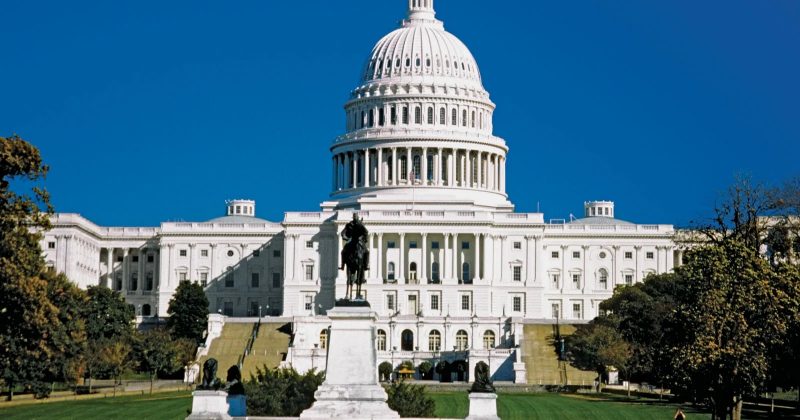
Democrats are reportedly attempting to block the CLARITY Act in the Senate, signaling a potential legislative roadblock for crypto-friendly regulations. This move could significantly impact how digital assets are governed and regulated within the United States framework.
As the political battle unfolds, market sentiment remains focused on long-term price targets, including the possibility of Bitcoin reaching $200,000 by late 2026. The outcome of this Senate struggle will be a decisive factor in determining the regulatory clarity required for institutional Bitcoin adoption.
According to reports from CNBC, Democrats are attempting to block the CLARITY Act in the Senate. This legislative maneuver poses a challenge to the efforts to establish a clearer regulatory framework for the digital asset industry.
Despite the political friction surrounding the CLARITY Act, speculative interest in Bitcoin remains robust. Current market projections include a 2.1% probability of Bitcoin hitting $200,000 by December 31, 2026, suggesting that investors are looking past immediate legislative hurdles toward massive long-term gains.
This is a summarized and adapted version by Artificial Intelligence. To read the complete original story, visit the official source.
Read Full Article at Crypto BriefingSupport Jornal Bitcoin
Independent journalism, curated by AI, no clickbait. Keep the flame alive with any amount of BTC.
jonata@walletofsatoshi.comDaily Crypto Brief 📬
Subscribe to receive the curation of the most important Bitcoin and crypto news, summarized by AI. No spam.
Join more than 10,000 smart readers.
Related News

Kazakhstan's Bold Move: Cheap Electricity Now Tied to Crypto Reserve Contributions
While this strategy could significantly bolster Bitcoin's status as a global reserve asset, the long-term outlook remains clouded by local political risks. The success of these new digital mining rules will depend on whether the government can maintain stability while navigating the complex intersection of energy policy and crypto-asset accumulation.

Bitcoin Treasury Move: Smarter Web Sells 177 BTC to Fast-Track Debt Repayment
This liquidation comes at a pivotal time for digital asset treasury (DAT) firms, which are navigating a particularly turbulent year for corporate crypto reserves. The decision to fund the early repayment through a bitcoin sale underscores a strategic shift toward liquidity management and debt reduction amidst ongoing market volatility.

Goldman Sachs CEO Backs 'Imperfect' CLARITY Act Amid Crypto Regulation Battle
This endorsement comes at a critical time as lawmakers prepare to vote, with many banking peers still opposing the bill due to controversial stablecoin provisions. The tension centers on whether crypto firms should be allowed to offer yields on stablecoins outside the strict regulatory frameworks governing traditional financial institutions.

Institutional Power Move: BlackRock, Coinbase, and MicroStrategy Launch $15M Bitcoin Security Consortium
This strategic initiative aims to fortify the network's long-term resilience and mitigate potential systemic threats. By prioritizing high-level research and development, these global leaders are setting a new standard for institutional-grade security, ensuring that Bitcoin remains the most secure and reliable digital asset for the global financial system.

Whale Alert: 2 Bullish and 1 Bearish Signals Shaping Cardano's (ADA) Next Move
This divergence between whale exposure and technical indicators suggests that Cardano is entering a high-volatility phase. Investors must weigh the bullish momentum driven by large-scale buying against the immediate bearish pressure to navigate the upcoming price action effectively.

BlackRock Claims Crypto Can Outrun the Quantum Threat — If It Moves Fast Enough
However, the window for action is defined by the speed of technological evolution. To mitigate the risks posed by quantum supremacy, the crypto industry must proactively integrate quantum-resistant algorithms, ensuring that the transition to new cryptographic standards happens well before quantum hardware reaches its full potential.
