Trump Tightens Grip on Foreign Minerals: New Executive Order Hits Defense Contractors
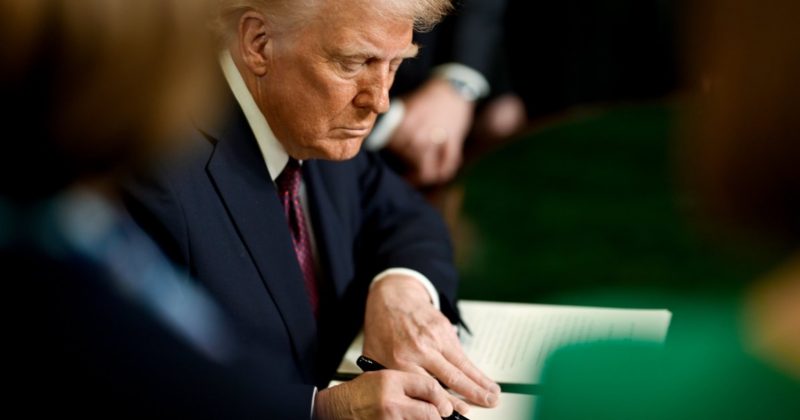
President Trump has signed a decisive executive order aimed at restricting defense contractors from obtaining waivers for banned foreign minerals. This strategic move is designed to fortify the defense supply chain by eliminating loopholes that previously allowed reliance on restricted foreign resources, prioritizing national security above all.
By tightening rules for foreign minerals, the administration is forcing a massive shift in how critical materials are sourced for military applications. This policy change carries significant implications for global trade dynamics and the long-term stability of the defense industrial base, pushing for increased domestic production and resource sovereignty.
This policy shift mandates a rigorous overhaul of how essential materials are sourced, forcing defense entities to move away from high-risk foreign dependencies and toward more secure, compliant alternatives to ensure the integrity of the nation's military infrastructure.
This is a summarized and adapted version by Artificial Intelligence. To read the complete original story, visit the official source.
Read Full Article at Crypto BriefingSupport Jornal Bitcoin
Independent journalism, curated by AI, no clickbait. Keep the flame alive with any amount of BTC.
jonata@walletofsatoshi.comDaily Crypto Brief 📬
Subscribe to receive the curation of the most important Bitcoin and crypto news, summarized by AI. No spam.
Join more than 10,000 smart readers.
Related News

Polymarket Shock: Trump Odds Plunge to 0.35% Following Minnesota Ruling
This volatility highlights how judicial outcomes can instantaneously reshape market sentiment within prediction platforms. As legal chatter intensifies, investors are closely watching how this Minnesota ruling might disrupt the broader political landscape and influence the high-stakes betting environment surrounding the upcoming elections.

Polymarket Odds Crash as Iran's Hormuz Attacks Fuel Geopolitical Uncertainty
The sudden drop in odds underscores the heightened risk premium being applied to global shipping routes. As prediction markets react to these military escalations, the volatility highlights how geopolitical instability directly influences decentralized forecasting platforms and global energy security concerns.
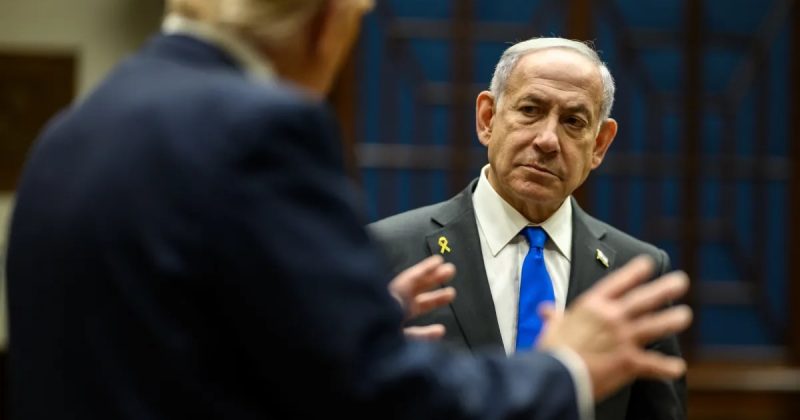
Hormuz Crisis: Trump and Netanyahu Weigh Ceasefire vs. Military Strike
Sentiment analysis shows a strong leaning toward diplomatic stability, with an 81% probability that a ceasefire could extend through July 25. The tension between Trump and Netanyahu's strategic choices will likely dictate the next phase of geopolitical volatility and its subsequent ripple effects across global financial markets.
Trade War Escalation: Trump Administration Targets 60 Economies with Permanent Tariffs Over Forced Labor
This move toward durable tariffs is expected to disrupt global supply chains and trigger significant shifts in international trade flows. As these permanent measures take hold, the resulting market volatility and geopolitical friction will likely create a complex environment for global investors and macro-economic stability.
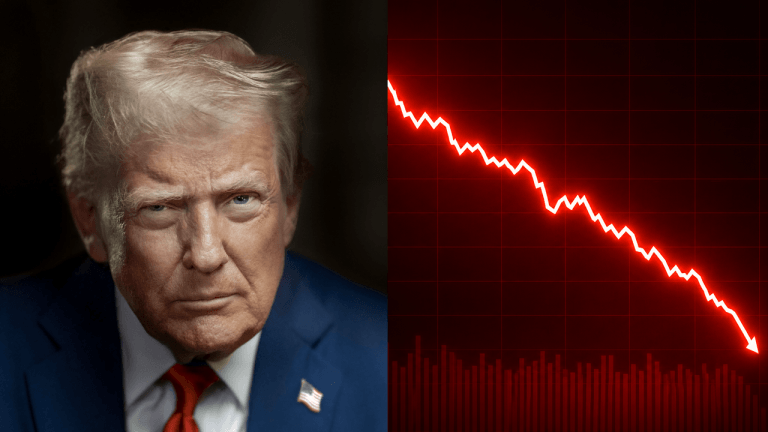
Geopolitical Chaos: Trump Vows Retaliation as Iran Strikes Shake Wall Street and Crypto Markets
Amidst this heightened volatility, Bitcoin is showing notable strength, holding steady near the $65,000 level even as traditional equities struggle to find footing. As Wall Street enters a critical earnings week, the intersection of geopolitical tension and commodity price spikes is forcing investors to re-evaluate the role of digital assets as a hedge against systemic instability.
Trade War Alert: Trump Hits Canada with 50% Tariffs—What It Means for Crypto
As these tariffs take effect, the ripple effects could extend far beyond North American borders, directly impacting the crypto market. Investors are closely watching how this geopolitical tension influences the demand for Bitcoin and digital assets, which are increasingly viewed as essential hedges against macroeconomic instability and trade-driven inflation.
