Geopolitical Alert: Polymarket Odds for US Invasion of Iran Surge to 16.5%
Prediction market giant Polymarket is seeing a sharp rise in volatility as the odds of a US invasion of Iran climb to 16.5%. During high-level NATO talks in Ankara, the looming threat of a US-Israel conflict against Iran and the critical debate over securing the Strait of Hormuz took center stage, overshadowing the ongoing war in Ukraine.
The geopolitical tension is exacerbated by European allies refusing to participate in naval patrol roles, creating a strategic vacuum in one of the world's most vital maritime corridors. As these odds fluctuate, the broader impact on global energy security and market stability remains a primary concern for institutional investors and crypto traders alike.
Polymarket odds for a US invasion of Iran have risen to 16.5% as debates over the Strait of Hormuz intensify. At recent NATO leaders' talks in Ankara, the potential US-Israel war on Iran eclipsed discussions regarding Ukraine and military spending plans. The situation has become increasingly complex following the refusal of European allies to take on a patrol role in the strategic waterway.
This is a summarized and adapted version by Artificial Intelligence. To read the complete original story, visit the official source.
Read Full Article at Blockchain.newsSupport Jornal Bitcoin
Independent journalism, curated by AI, no clickbait. Keep the flame alive with any amount of BTC.
jonata@walletofsatoshi.comDaily Crypto Brief 📬
Subscribe to receive the curation of the most important Bitcoin and crypto news, summarized by AI. No spam.
Join more than 10,000 smart readers.
Related News

Strait of Hormuz Reopening Promised by US, but Oil Markets Remain Skeptical
Market skepticism underscores the fragile nature of geopolitical agreements in high-stakes regions. As the oil markets weigh these claims against real-world tensions, the resulting uncertainty poses a significant threat to global economic stability and dictates the flow of capital into safer havens versus speculative energy plays.

US Eases Export Rules for UAE: Unlocking the Floodgates for AI Chip Sales
While the move is designed to deepen US-UAE strategic ties, it has simultaneously triggered intense debate regarding technology diversion risks. Experts are closely monitoring whether this hardware influx will bolster regional innovation or inadvertently fuel global security concerns through the unauthorized transfer of sensitive tech.
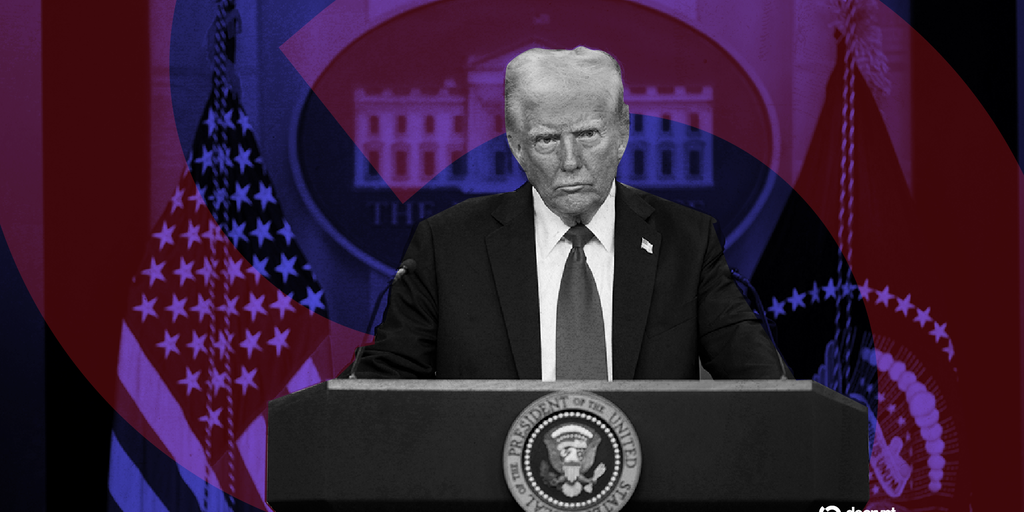
Senate Showdown: Democrats Demand Inquiry into Trump's Massive $1.2 Billion Crypto Windfall
As the political landscape shifts, this demand for Senate hearings highlights the growing intersection between high-level politics and the crypto market. The investigation could set a major precedent for how the wealth of political figures derived from crypto assets is monitored and regulated in the United States.
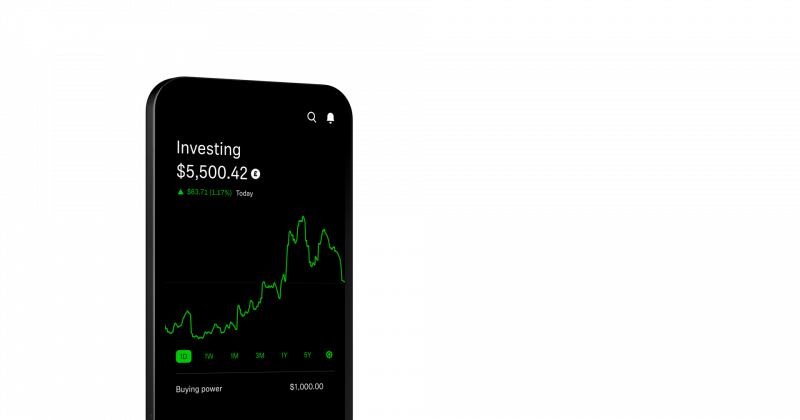
Trading Revolution: Robinhood to Enable US Users to Trade Crypto via AI Agents
The rollout of these AI-driven tools is expected to significantly boost market participation and heighten competition among major trading platforms. By integrating autonomous agents, Robinhood is not just simplifying trade execution but is fundamentally redefining the investment experience, setting a new benchmark for automation in the crypto industry.
Polymarket Odds Hit 99.95% for BTC Above $52K Despite New Hampshire Bond Rejection
This surge in confidence comes despite a significant regulatory setback in the United States. New Hampshire's Executive Council recently voted 3-2 to reject a proposed $100 million Bitcoin-backed municipal bond, stalling a major experiment in public finance. However, the market's appetite for Bitcoin appears to be decoupling from local political decisions, focusing instead on broader liquidity and price trends.

Regulatory Chokepoint: US Treasury Sanctions Iran’s Largest Crypto Exchange Nobitex
This development highlights the evolving role of crypto exchanges as critical regulatory chokepoints in the global financial landscape. As authorities tighten their grip, the industry faces significant shifts in global financial compliance and the long-term consequences of rigorous enforcement on decentralized markets.
