Strait of Hormuz Reopening Promised by US, but Oil Markets Remain Skeptical

US officials have signaled that the Strait of Hormuz will soon be open to all maritime traffic, yet the oil markets are refusing to buy the narrative. This disconnect highlights a growing tension between diplomatic assurances and the harsh reality of geopolitical instability, which continues to drive volatility across global risk assets.
Market skepticism underscores the fragile nature of geopolitical agreements in high-stakes regions. As the oil markets weigh these claims against real-world tensions, the resulting uncertainty poses a significant threat to global economic stability and dictates the flow of capital into safer havens versus speculative energy plays.
This is a summarized and adapted version by Artificial Intelligence. To read the complete original story, visit the official source.
Read Full Article at Crypto BriefingSupport Jornal Bitcoin
Independent journalism, curated by AI, no clickbait. Keep the flame alive with any amount of BTC.
jonata@walletofsatoshi.comDaily Crypto Brief 📬
Subscribe to receive the curation of the most important Bitcoin and crypto news, summarized by AI. No spam.
Join more than 10,000 smart readers.
Related News
Almost There: Coinbase Vice Chair Claims Crypto Clarity Act is 'On the One-Yard Line'
The impact of this act cannot be overstated, as it aims to redefine the regulatory landscape in the United States. By enhancing institutional investment and bolstering global competitiveness, the legislation seeks to eliminate the ambiguity that has long hindered large-scale adoption and market stability.
Inflation Surprise Triggers Selic Cut Bets as Ibovespa Hits New Highs!
This bullish sentiment translated directly into equity markets, driving the Ibovespa to hit major milestones fueled by a rally in the banking sector. As the market anticipates a more accommodative monetary policy through a Selic reduction, the momentum for risk assets remains exceptionally strong.

US Eases Export Rules for UAE: Unlocking the Floodgates for AI Chip Sales
While the move is designed to deepen US-UAE strategic ties, it has simultaneously triggered intense debate regarding technology diversion risks. Experts are closely monitoring whether this hardware influx will bolster regional innovation or inadvertently fuel global security concerns through the unauthorized transfer of sensitive tech.
Senate Showdown: Democrats Demand Inquiry into Trump's Massive $1.2 Billion Crypto Windfall
As the political landscape shifts, this demand for Senate hearings highlights the growing intersection between high-level politics and the crypto market. The investigation could set a major precedent for how the wealth of political figures derived from crypto assets is monitored and regulated in the United States.
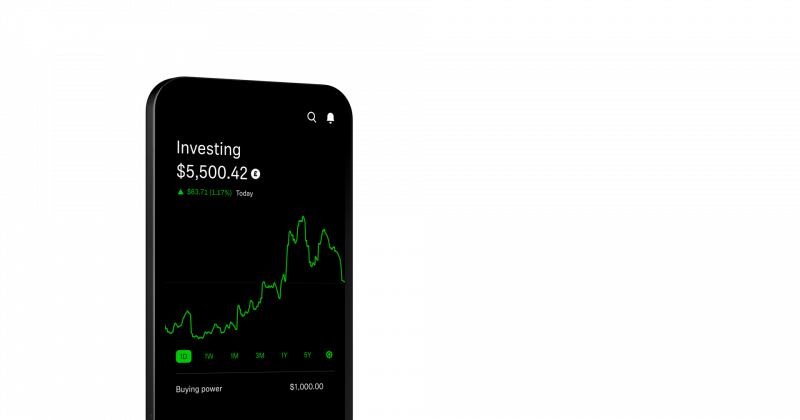
Trading Revolution: Robinhood to Enable US Users to Trade Crypto via AI Agents
The rollout of these AI-driven tools is expected to significantly boost market participation and heighten competition among major trading platforms. By integrating autonomous agents, Robinhood is not just simplifying trade execution but is fundamentally redefining the investment experience, setting a new benchmark for automation in the crypto industry.

Regulatory Chokepoint: US Treasury Sanctions Iran’s Largest Crypto Exchange Nobitex
This development highlights the evolving role of crypto exchanges as critical regulatory chokepoints in the global financial landscape. As authorities tighten their grip, the industry faces significant shifts in global financial compliance and the long-term consequences of rigorous enforcement on decentralized markets.
