Regulatory Chokepoint: US Treasury Sanctions Iran’s Largest Crypto Exchange Nobitex

The US Treasury has officially targeted Nobitex, Iran's premier crypto exchange, alongside three additional platforms, in a decisive strike against illicit financial flows. This enforcement action underscores the intensifying crackdown on digital asset gateways used to bypass international restrictions.
This development highlights the evolving role of crypto exchanges as critical regulatory chokepoints in the global financial landscape. As authorities tighten their grip, the industry faces significant shifts in global financial compliance and the long-term consequences of rigorous enforcement on decentralized markets.
The US Treasury has imposed sanctions on Nobitex, the largest cryptocurrency exchange in Iran, as well as three other digital asset platforms. The move is part of a broader strategy to mitigate the risks associated with crypto-enabled sanctions evasion.
These sanctions highlight the increasing role of crypto exchanges as regulatory chokepoints, significantly impacting global financial compliance and enforcement efforts. As the regulatory net tightens, the industry must navigate a complex landscape of international law and digital asset oversight.
This is a summarized and adapted version by Artificial Intelligence. To read the complete original story, visit the official source.
Read Full Article at Crypto BriefingSupport Jornal Bitcoin
Independent journalism, curated by AI, no clickbait. Keep the flame alive with any amount of BTC.
jonata@walletofsatoshi.comDaily Crypto Brief 📬
Subscribe to receive the curation of the most important Bitcoin and crypto news, summarized by AI. No spam.
Join more than 10,000 smart readers.
Related News

US Treasury sanctions Iranian tycoon Ali Ansari and linked entities—warning signs for global real estate
The fallout may extend into international markets: when enforcement targets connected actors, the compliance pressure and transaction risk can ripple through global capital flows—potentially including global real estate. The key takeaway: sanctions risk is not confined to one country, and due diligence around counterparties and linked entities is becoming unavoidable.

Bitcoin Under Pressure: Will $62K Hold Ahead of Massive $1.4B Options Expiry?
Adding to the market anxiety, US 10-year Treasury yields are climbing toward critical levels, signaling potential macroeconomic headwinds for crypto assets. The convergence of this major options expiry and rising bond yields creates a high-volatility environment that could test the strength of Bitcoin's current price floor.

Bitcoin Calm Before the Storm? July 17 Oil Deadline Triggers Iran Shock
With the replacement General License X1 strictly limiting transactions to a wind-down period ending July 17, the window for Iranian petroleum and petrochemical trades is slamming shut. This tightening of sanctions creates a high-stakes environment that could force a shift in investor sentiment, potentially linking energy market instability to Bitcoin price action.
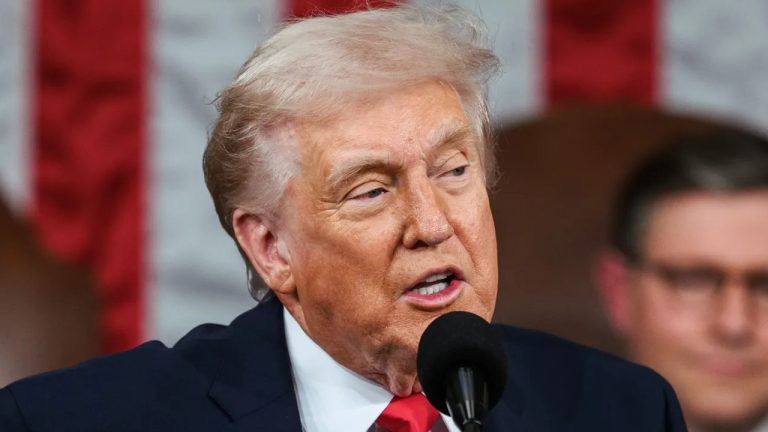
US Treasury Unveils 'Trump Accounts' Stock Donation Pipeline as 6 Million Families Join
This strategic move establishes a direct pipeline for large-scale stock donations, allowing readily tradable assets to bolster social savings initiatives. By bridging the gap between the stock market and government-backed family programs, the Treasury is creating a unique financial ecosystem designed to scale rapidly through institutional and private philanthropy.
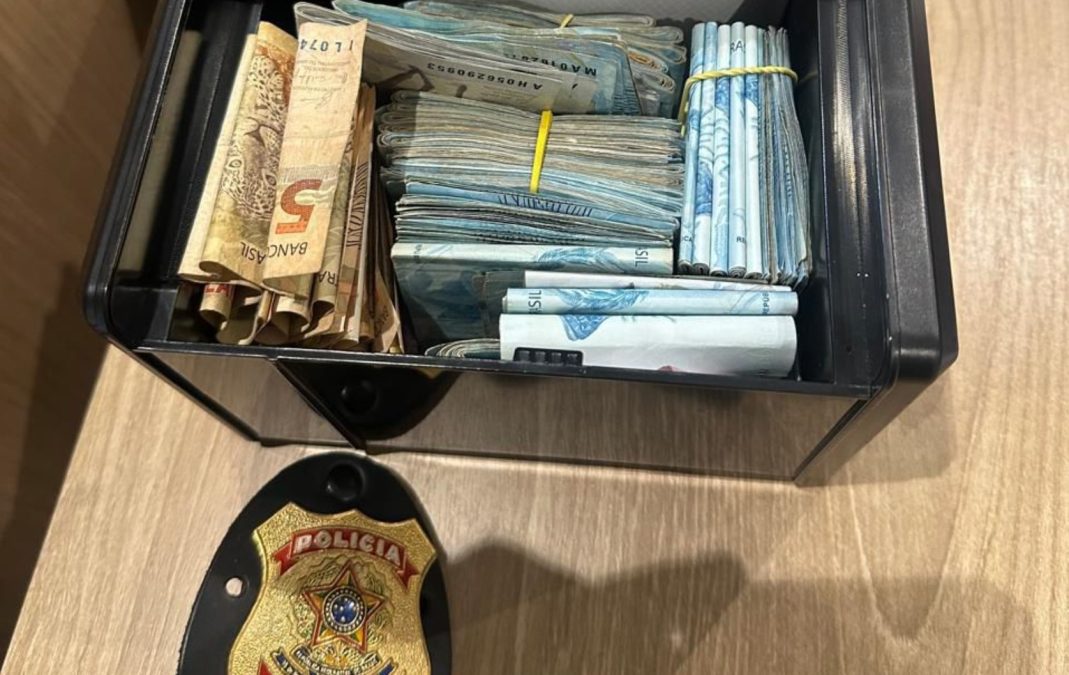
US Sanctions Brazilian National Linked to Crypto Money Laundering and Drug Trafficking
Adding to the legal pressure, the Brazilian Federal Police were already investigating Shimada's company, Victory Trading, for potential irregularities. This development highlights the increasing sophistication of blockchain forensics and the heightened scrutiny faced by entities operating within the cryptocurrency ecosystem.

US Treasury Unveils $6.25B Children's Investment Initiative—But Crypto is Strictly Banned
While the program is expected to provide a massive boost to US equity markets, the exclusion of digital assets may limit long-term diversification. As the initiative rolls out, critics argue that by sidelining crypto, the government might be missing a vital opportunity to integrate blockchain-based finance into the foundational wealth of future citizens.
