Middle East Escalation: Saudi Jets Intercept Iranian Plane Amid Rising Tensions
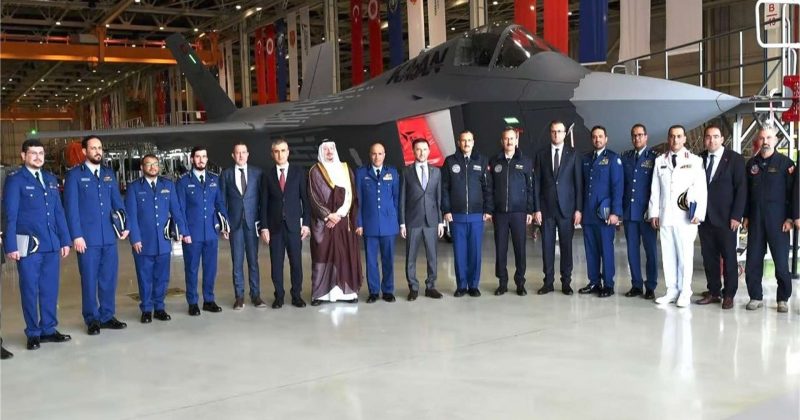
Military tensions reached a breaking point as Saudi jets intercepted an Iranian aircraft near Sanaa airport. This direct confrontation underscores the volatile nature of the current regional landscape, where sudden military maneuvers can trigger immediate shifts in global security protocols.
Beyond the immediate tactical encounter, the potential for strategic airspace closures looms large, threatening to disrupt international logistics and geopolitical stability. Such escalations are critical for market participants to monitor, as they directly influence market dynamics and risk appetite across all asset classes.
Tensions in the Middle East have escalated following reports that Saudi jets intercepted an Iranian plane at Sanaa airport. As regional tensions continue to rise, the risk of strategic airspace closures becomes increasingly real. Such developments pose a significant threat to geopolitical stability and could trigger major shifts in global market dynamics.
This is a summarized and adapted version by Artificial Intelligence. To read the complete original story, visit the official source.
Read Full Article at Crypto BriefingSupport Jornal Bitcoin
Independent journalism, curated by AI, no clickbait. Keep the flame alive with any amount of BTC.
jonata@walletofsatoshi.comDaily Crypto Brief 📬
Subscribe to receive the curation of the most important Bitcoin and crypto news, summarized by AI. No spam.
Join more than 10,000 smart readers.
Related News

Geopolitical Shockwave: Trump Reinstates Iran Blockade and Demands Payment for Hormuz Protection
This escalation threatens to disrupt global oil markets and severely complicates any potential diplomatic resolutions. As tensions rise, the ripple effects on energy prices and international trade stability could trigger significant volatility across both traditional and digital asset markets.

Is the Bitcoin Sell-Off Over? Why Profit Margins Are Drying Up for Sellers
Despite the geopolitical noise surrounding the U.S.-Iran escalation, Bitcoin is showing remarkable resilience. This stability is being bolstered by renewed spot ETF inflows, which are absorbing supply and providing a strong fundamental floor for the cryptocurrency's current price action.
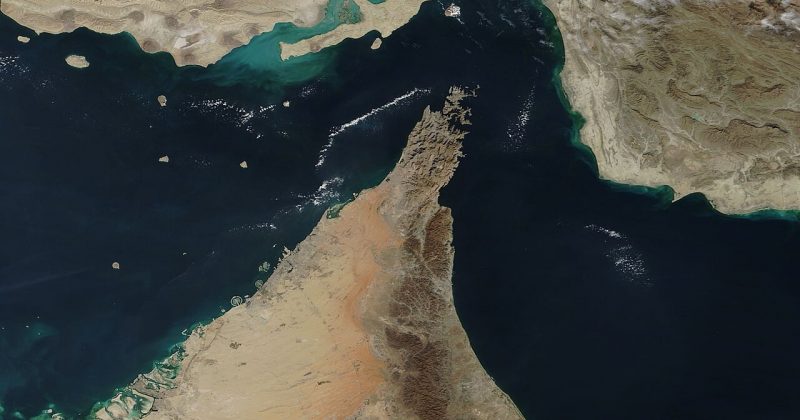
Geopolitical Alert: US Naval Blockade in Strait of Hormuz Delayed, Fueling Market Uncertainty
As geopolitical tensions continue to simmer, the potential for sudden escalation remains a primary concern for risk management. The impact on energy markets and broader economic stability could be profound, as the world waits to see if the blockade will proceed and disrupt one of the world's most vital maritime chokepoints.
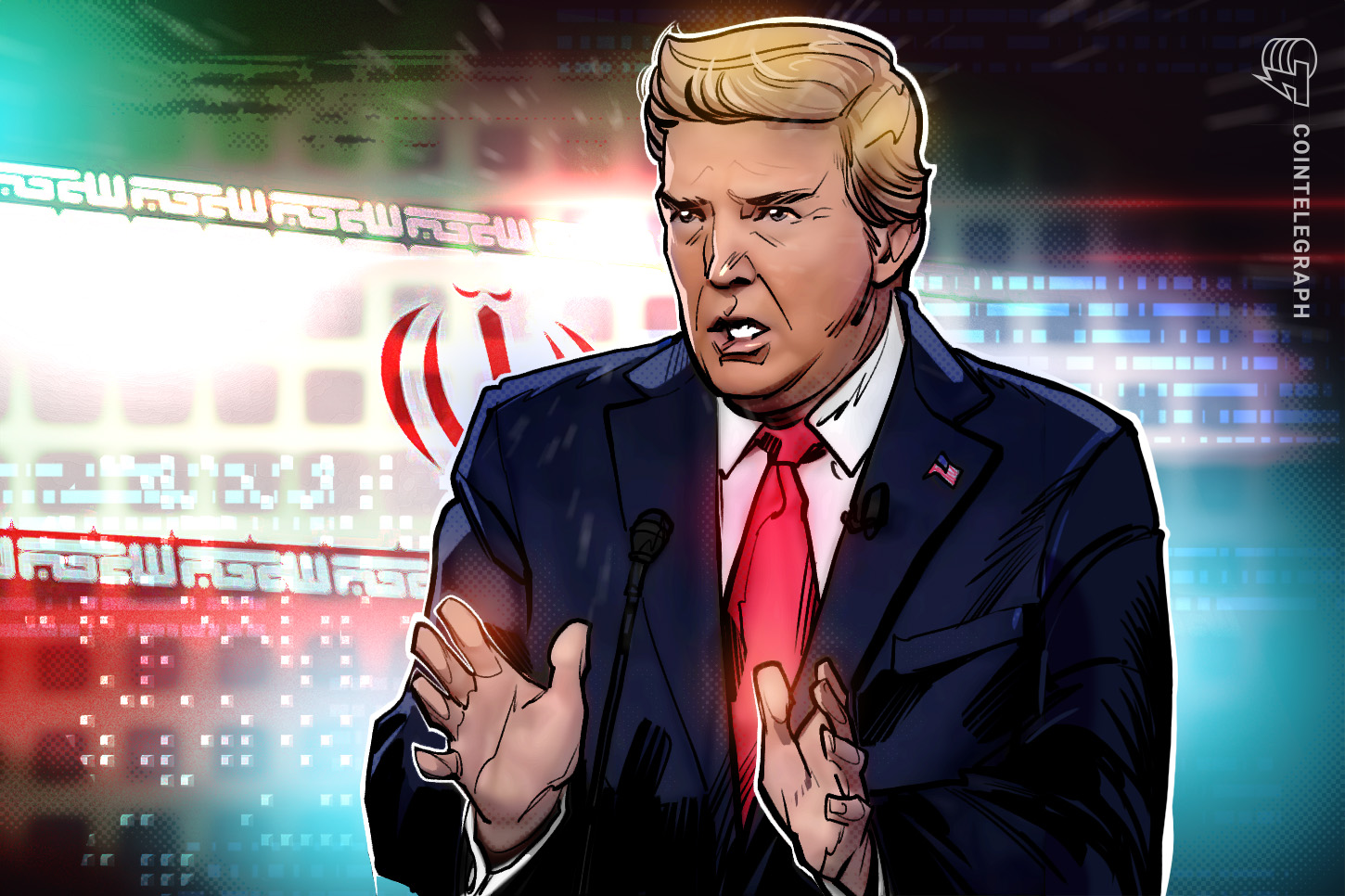
Bitcoin Under Siege: Hormuz Strait Tensions Threaten $62K Support
Wall Street's downward opening reflects a massive shift toward risk aversion. The escalating tensions in the Middle East are driving investors away from volatile assets, creating a challenging environment for Bitcoin as it navigates this sudden macro-economic shock.
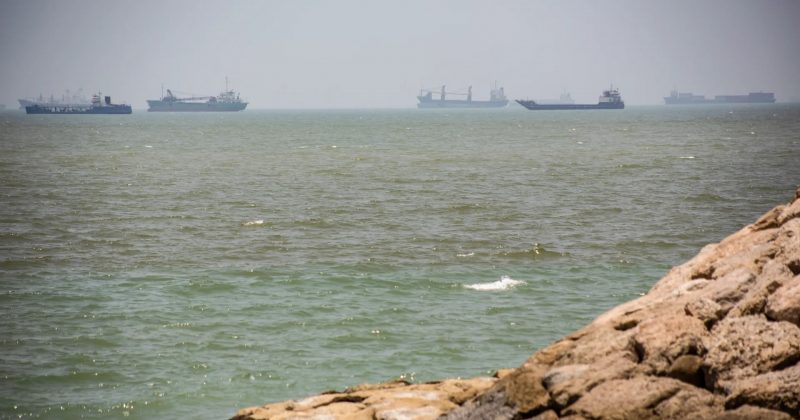
Hormuz Standoff: US Fails to Consult Allies Amid Escalating Iran Fee Tensions
This diplomatic isolation is expected to fuel market uncertainties and heighten regional economic instability. As the standoff over Iranian fees intensifies, the absence of a unified allied front creates a vacuum of predictability, potentially triggering volatility across energy markets and broader financial sectors.

Hormuz Standoff: Polymarket Traders Bet $9.8M on Rapid Normalization
While the situation remains volatile, the market is currently pricing a 0.35% chance of full normalization by July 15. This high-stakes betting environment highlights how prediction markets are becoming essential tools for gauging the perceived likelihood of a ceasefire amidst escalating Middle East tensions.
