Middle East Escalation: How US-Iran Attacks are Shaking Oil and Global Markets
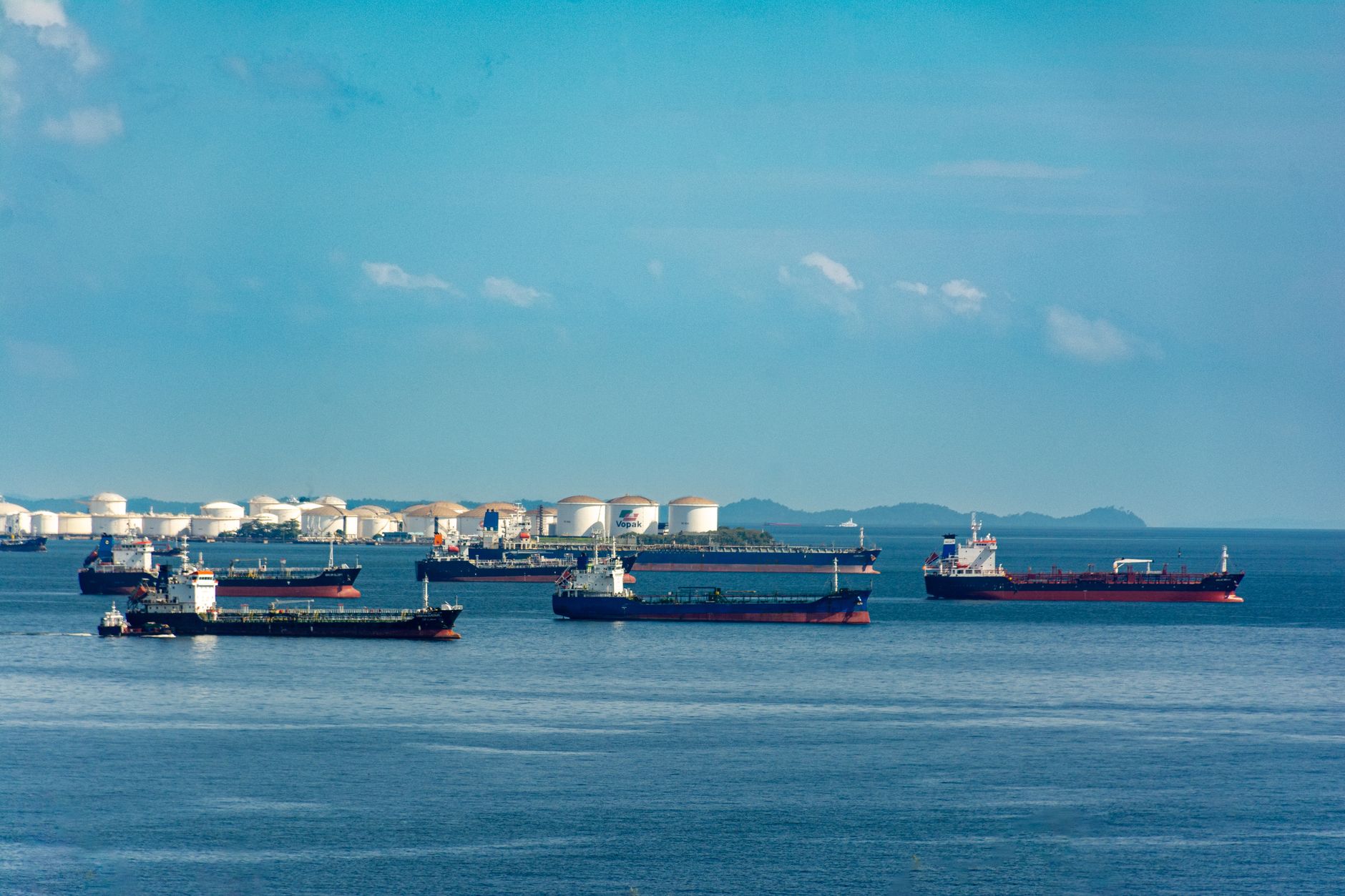
The military escalation between the United States and Iran is sending shockwaves through global markets, putting immense pressure on Wall Street futures and driving oil prices to new heights. This geopolitical instability is a critical signal for investors monitoring sudden shifts in market sentiment.
As energy costs surge, inflationary fears are resurfacing, potentially altering the trajectory of global monetary policies. For crypto and traditional asset holders, this volatility represents a pivotal moment where the demand for safe-haven assets could clash with a broader market sell-off driven by heightened geopolitical risk.
The military escalation in the Middle East, characterized by US attacks on Iran, is putting pressure on Wall Street futures, driving up oil prices, and reigniting inflationary fears. This geopolitical tension is creating an environment of uncertainty that directly impacts investment strategies.
For investors, the situation demands caution. Rising oil prices not only increase production costs but also fuel inflation, which could influence interest rate decisions by the Federal Reserve. Understanding how Middle East instability shapes the next moves in financial markets and hedge assets is essential for navigating this volatility.
This is a summarized and adapted version by Artificial Intelligence. To read the complete original story, visit the official source.
Read Full Article at BlockTrendsSupport Jornal Bitcoin
Independent journalism, curated by AI, no clickbait. Keep the flame alive with any amount of BTC.
jonata@walletofsatoshi.comDaily Crypto Brief 📬
Subscribe to receive the curation of the most important Bitcoin and crypto news, summarized by AI. No spam.
Join more than 10,000 smart readers.
Related News
Ukraine Drone Strike on Omsk Refinery Shifts Polymarket Odds for United Russia
As repairs begin on the damaged distillation units, the broader implications for Russian oil production and geopolitical stability remain uncertain. The intersection of drone strikes and market volatility highlights how physical warfare is now directly influencing real-time forecasting and political betting landscapes.
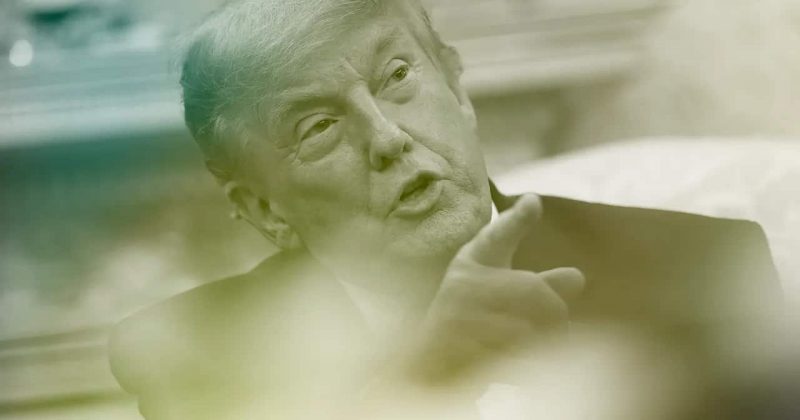
Geopolitical Chaos: Iranian Hardliners Call for Attacks on Trump and Erdogan at NATO Summit
Beyond the immediate political fallout, these threats could trigger massive market volatility, particularly regarding concerns over Iran's airspace closure. As geopolitical risks rise, the potential for sudden disruptions in global logistics and energy corridors remains a primary concern for institutional investors and global markets.

Russia Backtracks: Landmark Crypto Bill Drops Mandatory Wallet Reporting
As the legislation moves toward its second reading, the removal of these reporting mandates signals a potential shift toward a more functional crypto ecosystem. By easing the burden of wallet tracking, Russia is positioning its digital currency framework to better integrate with global blockchain trends while maintaining state oversight.
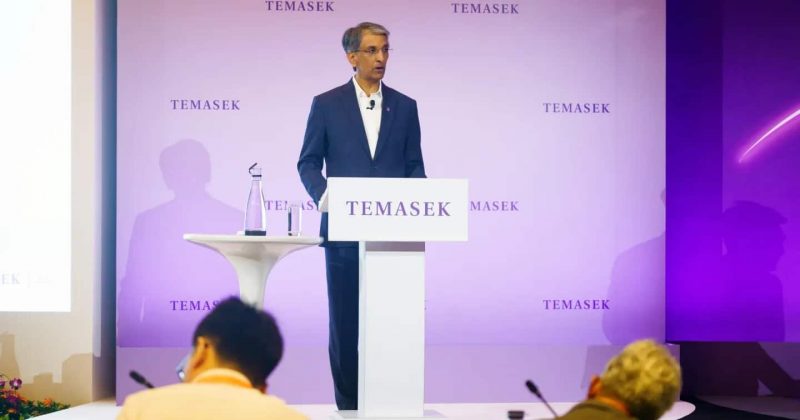
Temasek's Massive Pivot: AI Investments Set to Hit $75 Billion by 2030
By injecting such significant liquidity into the AI ecosystem, Temasek is poised to reshape the landscape of global tech innovation. This surge in funding is expected to influence future technological breakthroughs and alter the competitive balance of power within the global artificial intelligence market.

Trump Effect: US AI Restrictions Drive Firms Toward Chinese Open-Source Models
This unexpected disruption suggests that domestic restrictions on advanced AI systems may be backfiring, inadvertently boosting the global footprint of Chinese artificial intelligence. As companies bypass U.S.-regulated models, the geopolitical tension surrounding AI development and export controls is set to intensify, potentially eroding American dominance in the sector.
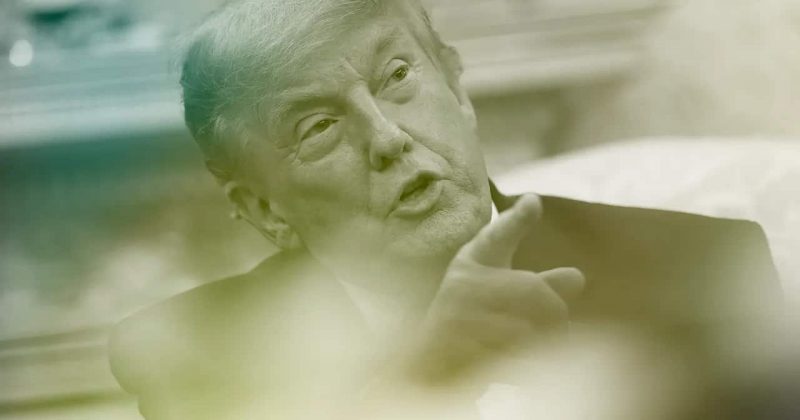
Trump slams NATO allies over Iran conflict support, risking global instability
This rhetoric could deepen existing NATO rifts, significantly complicating peace talks and paving the way for increased U.S. unilateral military actions. For the global economy and the crypto market, such shifts in foreign policy represent heightened volatility and systemic risk.
