Stacks PoX-5 Testnet Goes Live: A New Era of Self-Custody Bitcoin Staking
The Stacks ecosystem has reached a major milestone with the launch of the PoX-5 public testnet, featuring a groundbreaking Bitcoin staking mechanism. This update emphasizes self-custody, ensuring that users can engage in staking protocols while maintaining absolute control over their assets.
Targeting a mainnet hard fork around July 29, the PoX-5 update introduces a 3,000 BTC cap and a 3% rate. This technical evolution is set to deepen the synergy between Bitcoin and decentralized applications, providing a robust framework for Bitcoin-backed utility.
The Stacks PoX-5 public testnet is officially live, bringing a sophisticated Bitcoin staking mechanism to the forefront of the Layer 2 landscape. By prioritizing self-custody, the update addresses one of the most critical demands of the Bitcoin community: security without compromise.
Developers are aiming for a mainnet hard fork scheduled for approximately July 29. The implementation includes a specific cap of 3,000 BTC and a 3% rate, marking a significant step toward scaling Bitcoin's utility through the Stacks Proof-of-Transfer protocol.
This is a summarized and adapted version by Artificial Intelligence. To read the complete original story, visit the official source.
Read Full Article at Crypto BriefingSupport Jornal Bitcoin
Independent journalism, curated by AI, no clickbait. Keep the flame alive with any amount of BTC.
jonata@walletofsatoshi.comDaily Crypto Brief 📬
Subscribe to receive the curation of the most important Bitcoin and crypto news, summarized by AI. No spam.
Join more than 10,000 smart readers.
Related News

BitMine Stakes 4.9 Million ETH, Skyrocketing Annualized Revenue to $244M
Despite the massive revenue surge, the move introduces critical market variables that cannot be ignored. Analysts are highlighting potential concentration risks and the threat of yield compression, both of which could reshape Ethereum market dynamics and influence long-term liquidity and staking rewards.
Geopolitical Flashpoint: US Missile Strikes on Qeshm Island Ignite Global Tensions
Beyond the immediate strikes, speculation is mounting regarding the long-term consequences, including controversial predictions of a potential US invasion of Iran before 2027. As these tensions escalate, the intersection of military conflict and global economic stability remains a critical focal point for market participants.
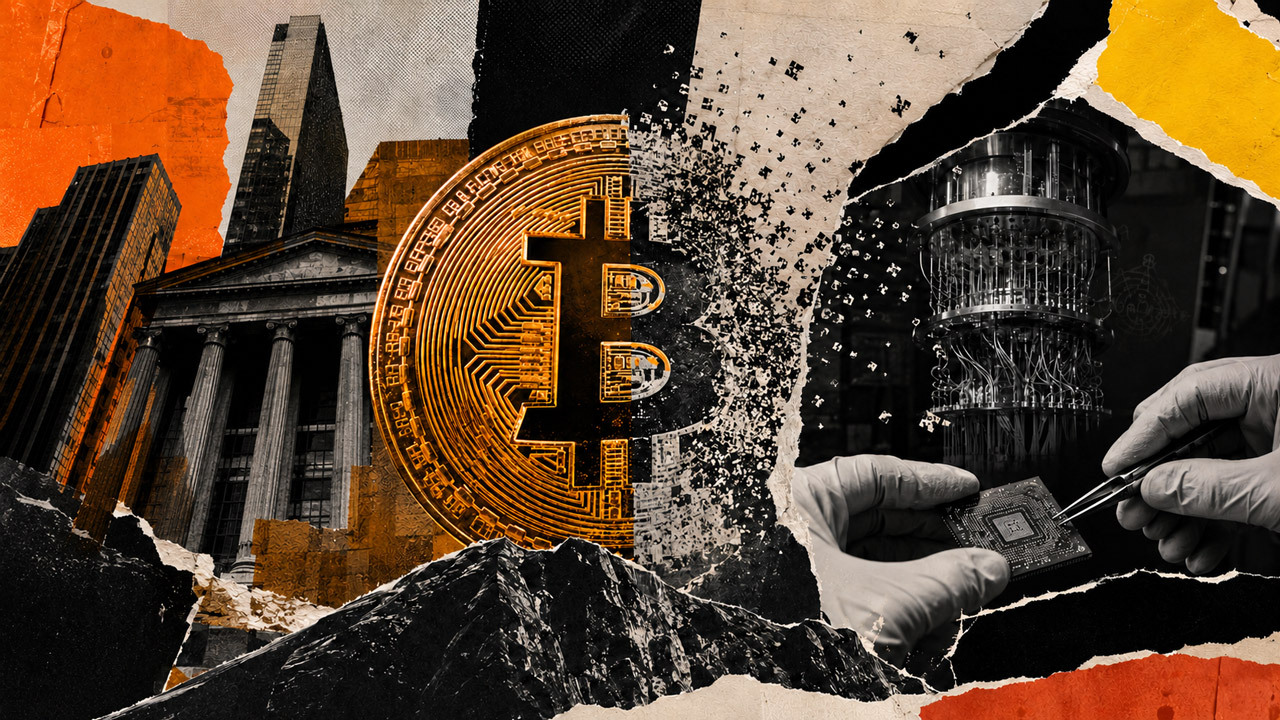
$460 Billion Risk: BlackRock and Coinbase Join $15M Mission to Shield Bitcoin from Quantum Attacks
By bringing together heavyweights like Fidelity Digital and ARK Invest, the consortium provides essential support to developers and researchers working on long-term network resilience. This strategic move ensures that Bitcoin's underlying security remains robust, proactively addressing the technological shifts that could otherwise jeopardize the world's leading digital asset.
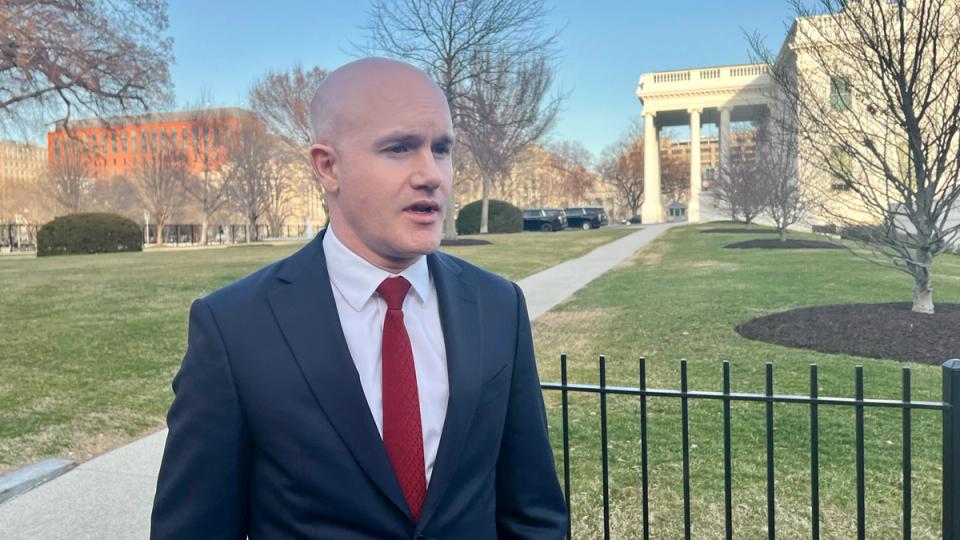
SEC Settles with Coinbase Over Missing Gary Gensler Texts in Major Blow to Transparency
The consequences of this settlement are far-reaching, potentially setting a precedent for how regulatory transparency is enforced in the digital asset space. As the fight over Ethereum's classification and the SEC's internal communications concludes, the industry looks toward a new era of accountability and legal clarity for crypto-native firms.
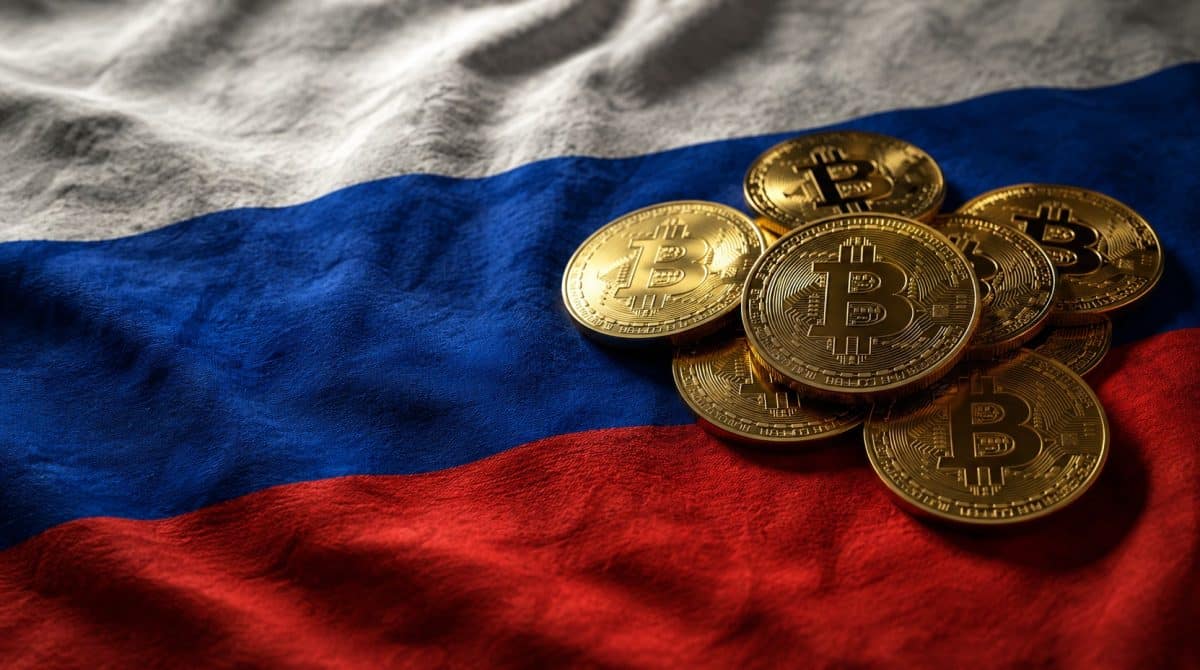
Digital Warfare: EU Launches New Sanctions Targeting Russian Crypto Operators and Banks
By integrating crypto-assets into its sanctions framework, the EU is signaling a major shift in how digital finance is used in geopolitical conflicts. This crackdown on crypto exchanges and financial service providers is designed to close loopholes used for capital evasion, tightening the noose on Russia's ability to bypass international financial restrictions.
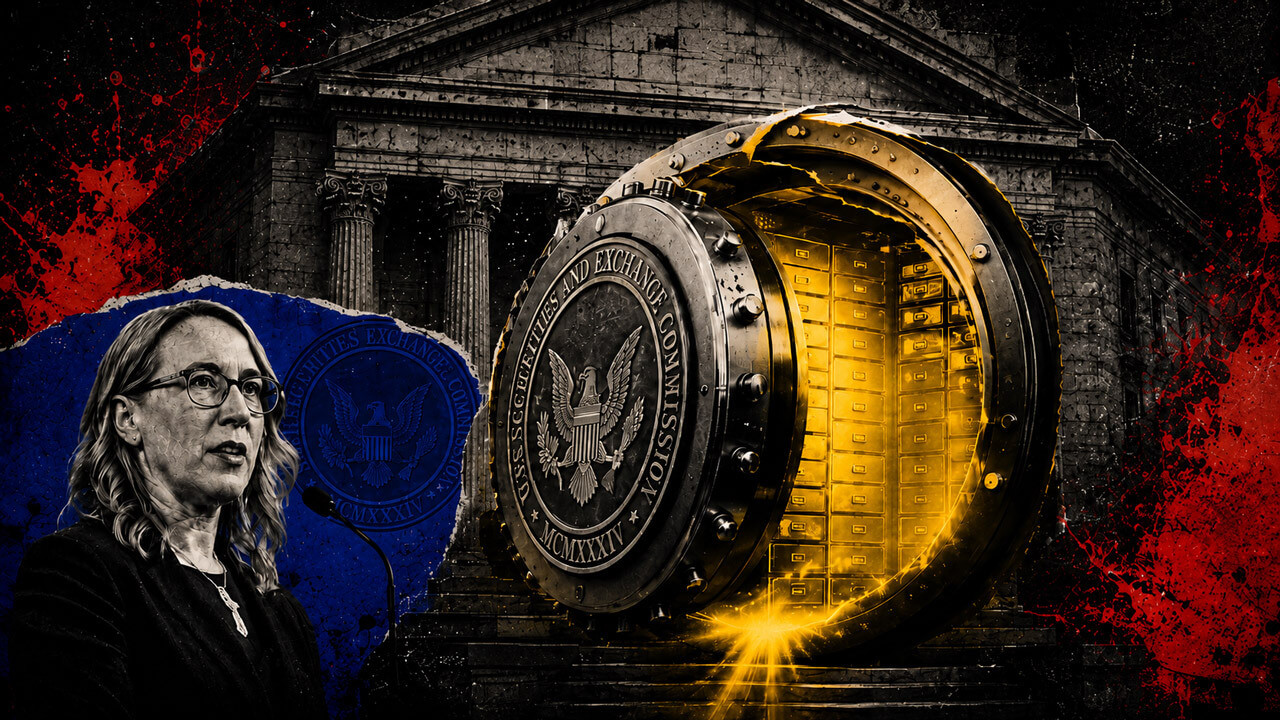
$131 Billion Crypto Vault Boom Challenges SEC's Regulatory Stance
SEC Commissioner Hester Peirce has warned that the regulatory fate of these vaults hinges on their specific structural design and the centralization of investment decisions. This development serves as a critical litmus test for the SEC's evolving relationship with the crypto industry and the future of decentralized yield strategies.
