$131 Billion Crypto Vault Boom Challenges SEC's Regulatory Stance
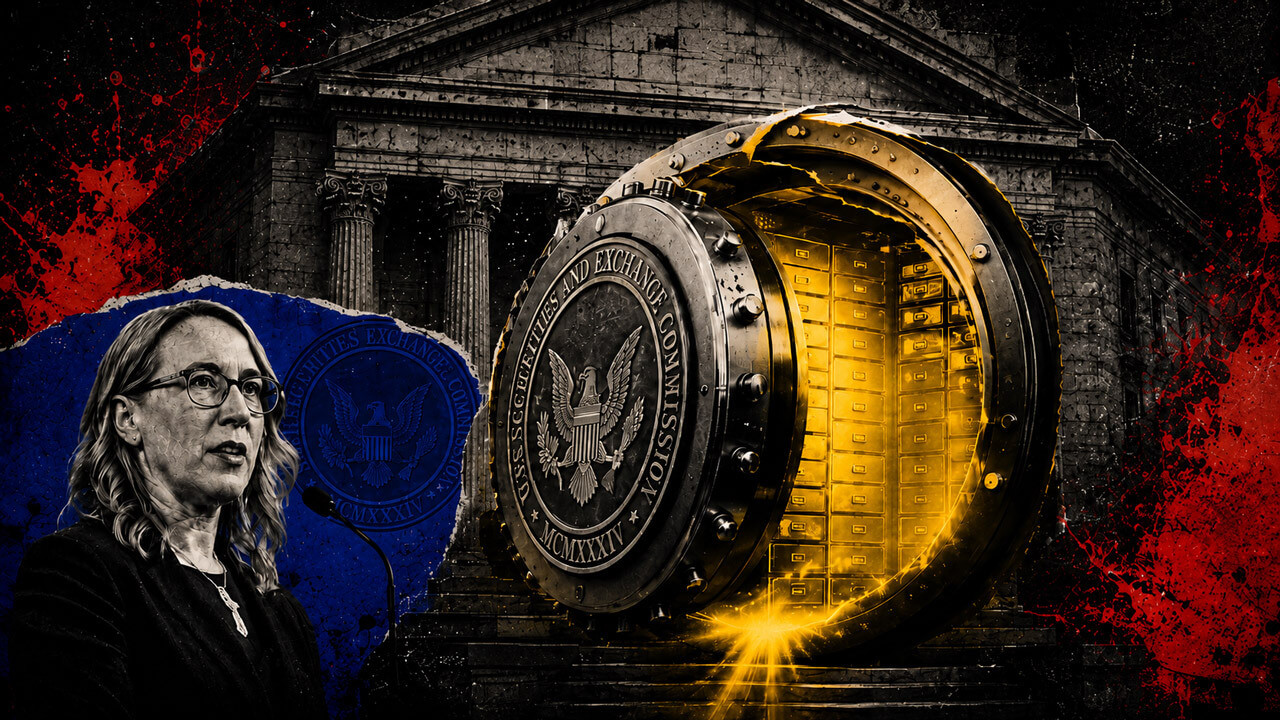
A massive $131 billion surge in crypto vaults is pushing the boundaries of current financial oversight. As these protocols utilize onchain lending and staking to generate yield, they are drawing intense scrutiny from regulators regarding their classification under federal securities laws.
SEC Commissioner Hester Peirce has warned that the regulatory fate of these vaults hinges on their specific structural design and the centralization of investment decisions. This development serves as a critical litmus test for the SEC's evolving relationship with the crypto industry and the future of decentralized yield strategies.
The crypto vault sector is experiencing a massive boom, reaching a staggering $131 billion in assets, but this growth is colliding with regulatory uncertainty. SEC Commissioner Hester Peirce recently warned that certain crypto vaults and onchain lending strategies may fall under the jurisdiction of federal securities laws.
Crypto vaults operate by pooling customer assets into onchain strategies to generate yield through methods like lending and staking. Peirce emphasized that the regulatory risk will depend heavily on how these products are structured and who maintains control over investment decisions, potentially testing the limits of the SEC's recent more accommodating stance toward the crypto market.
This is a summarized and adapted version by Artificial Intelligence. To read the complete original story, visit the official source.
Read Full Article at CryptoSlateSupport Jornal Bitcoin
Independent journalism, curated by AI, no clickbait. Keep the flame alive with any amount of BTC.
jonata@walletofsatoshi.comDaily Crypto Brief 📬
Subscribe to receive the curation of the most important Bitcoin and crypto news, summarized by AI. No spam.
Join more than 10,000 smart readers.
Related News

$460 Billion Risk: BlackRock and Coinbase Join $15M Mission to Shield Bitcoin from Quantum Attacks
By bringing together heavyweights like Fidelity Digital and ARK Invest, the consortium provides essential support to developers and researchers working on long-term network resilience. This strategic move ensures that Bitcoin's underlying security remains robust, proactively addressing the technological shifts that could otherwise jeopardize the world's leading digital asset.

Stacks PoX-5 Testnet Goes Live: A New Era of Self-Custody Bitcoin Staking
Targeting a mainnet hard fork around July 29, the PoX-5 update introduces a 3,000 BTC cap and a 3% rate. This technical evolution is set to deepen the synergy between Bitcoin and decentralized applications, providing a robust framework for Bitcoin-backed utility.
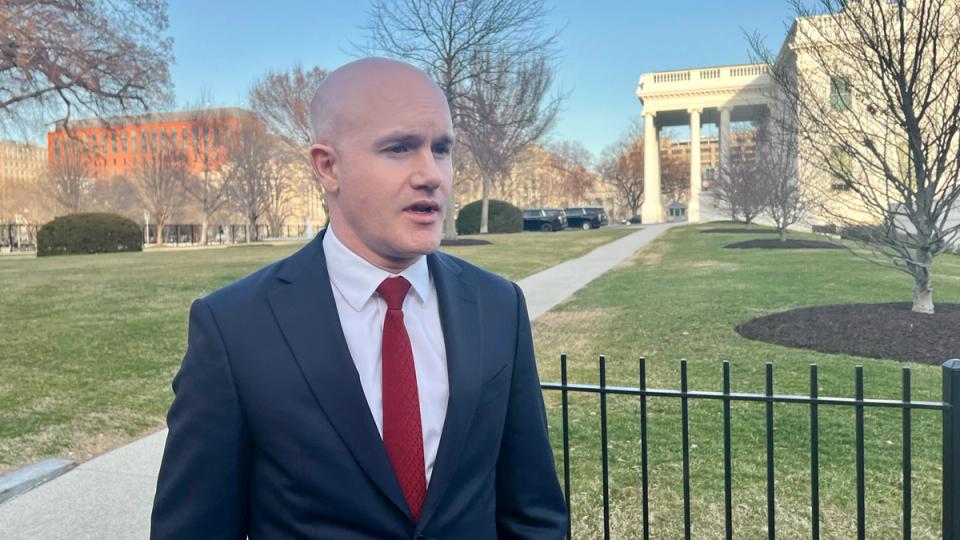
SEC Settles with Coinbase Over Missing Gary Gensler Texts in Major Blow to Transparency
The consequences of this settlement are far-reaching, potentially setting a precedent for how regulatory transparency is enforced in the digital asset space. As the fight over Ethereum's classification and the SEC's internal communications concludes, the industry looks toward a new era of accountability and legal clarity for crypto-native firms.

Global Expansion: Qubic Hits 173 Countries via Alchemy Pay Integration
By bridging the gap between traditional finance and the Qubic Protocol, this move is set to drive massive adoption, particularly in key markets like the United States. The integration ensures a seamless onboarding process, making QUBIC more accessible to retail investors worldwide through streamlined payment solutions.

Debt Clearance: Smarter Web Sells 178 Bitcoin to Repay $11.7M TOBAM Debt
This large-scale Bitcoin sale highlights the ongoing tension between holding digital assets and managing corporate liabilities. By repaying the TOBAM debt, Smarter Web aims to stabilize its financial position, though the move underscores the liquidity challenges faced by firms heavily exposed to crypto market fluctuations.
Ethics Alert: Democrats Claim CLARITY Act Leaves Loopholes for Trump to Profit from Crypto
This legislative friction highlights a deep partisan divide; while Democrats focus on potential conflicts of interest, Republicans contend that the bill introduces unprecedented federal restrictions. The outcome of this debate will be pivotal for the future of crypto regulation and government transparency.
