Digital Warfare: EU Launches New Sanctions Targeting Russian Crypto Operators and Banks
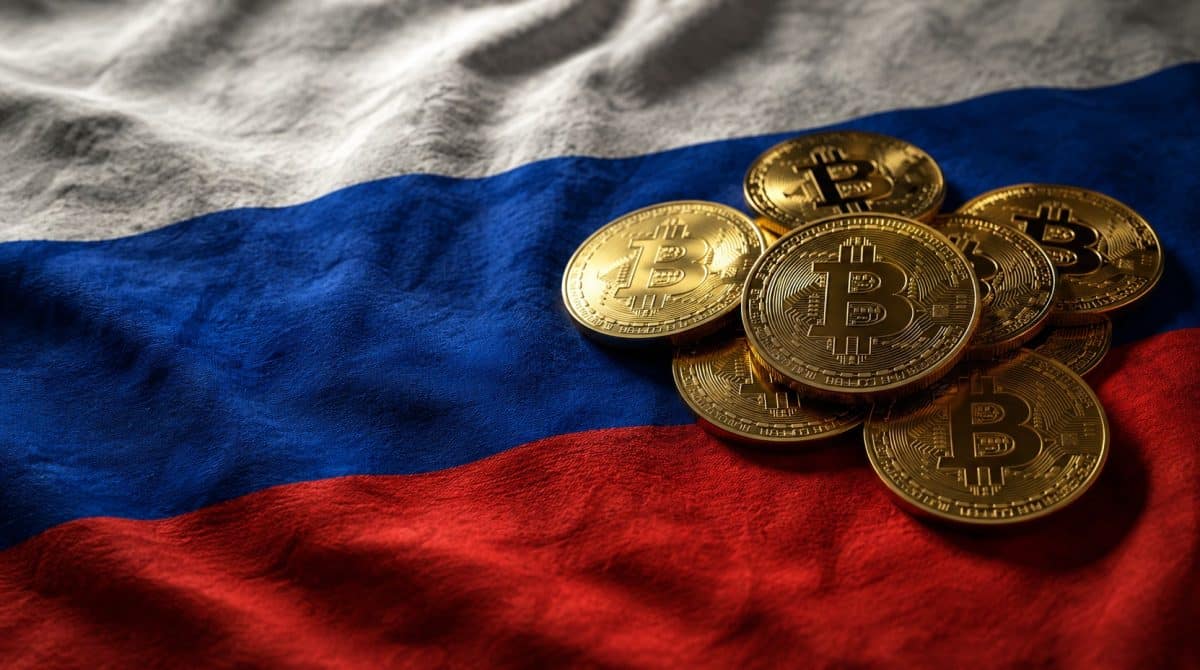
The European Union has escalated its economic offensive against the Kremlin by announcing a fresh package of sanctions specifically targeting banks and cryptocurrency operators. This strategic move, communicated by the European Commission, aims to strike the Russian economy where it is most vulnerable to disrupt war funding.
By integrating crypto-assets into its sanctions framework, the EU is signaling a major shift in how digital finance is used in geopolitical conflicts. This crackdown on crypto exchanges and financial service providers is designed to close loopholes used for capital evasion, tightening the noose on Russia's ability to bypass international financial restrictions.
The European Union announced a new, stringent package of sanctions against Russia this Thursday (23), following the ongoing conflict in Ukraine. The details were released by Kaja Kallas, Vice-President of the European Commission, who stated that the plan is to 'hit Putin where it hurts most'—his economy.
This latest round of measures expands beyond traditional banking to specifically target cryptocurrency operators and institutions facilitating digital asset transactions. The goal is to choke off Russian funding sources by leveraging control over the crypto ecosystem to prevent the government in Moscow from bypassing existing international sanctions.
This is a summarized and adapted version by Artificial Intelligence. To read the complete original story, visit the official source.
Read Full Article at LivecoinsSupport Jornal Bitcoin
Independent journalism, curated by AI, no clickbait. Keep the flame alive with any amount of BTC.
jonata@walletofsatoshi.comDaily Crypto Brief 📬
Subscribe to receive the curation of the most important Bitcoin and crypto news, summarized by AI. No spam.
Join more than 10,000 smart readers.
Related News
Geopolitical Flashpoint: US Missile Strikes on Qeshm Island Ignite Global Tensions
Beyond the immediate strikes, speculation is mounting regarding the long-term consequences, including controversial predictions of a potential US invasion of Iran before 2027. As these tensions escalate, the intersection of military conflict and global economic stability remains a critical focal point for market participants.
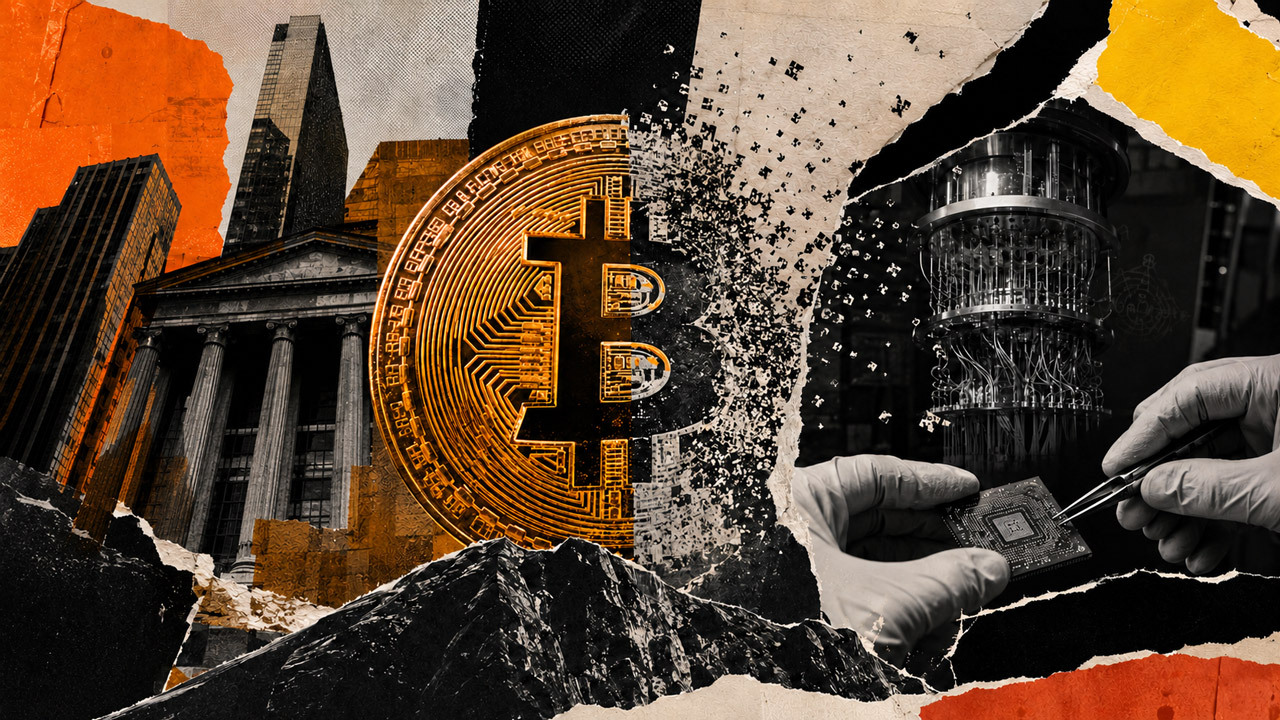
$460 Billion Risk: BlackRock and Coinbase Join $15M Mission to Shield Bitcoin from Quantum Attacks
By bringing together heavyweights like Fidelity Digital and ARK Invest, the consortium provides essential support to developers and researchers working on long-term network resilience. This strategic move ensures that Bitcoin's underlying security remains robust, proactively addressing the technological shifts that could otherwise jeopardize the world's leading digital asset.

France Cracks Down: Regulator Orders ISPs to Block Polymarket Access
This decision carries heavy implications for the future of decentralized finance and global platform accessibility. As regulators tighten their grip, this move could set a controversial precedent across the EU, potentially forcing a confrontation between traditional legal frameworks and the borderless nature of blockchain-driven prediction markets.
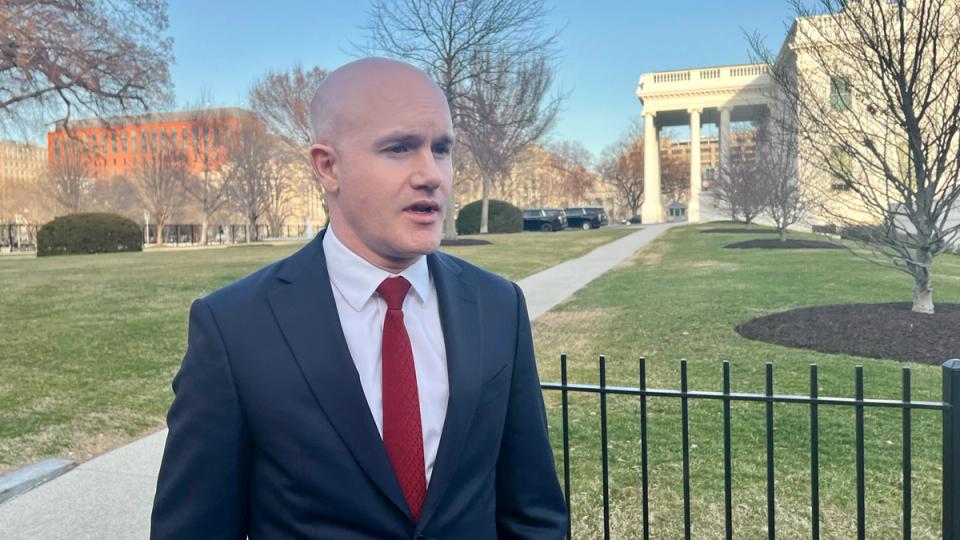
SEC Settles with Coinbase Over Missing Gary Gensler Texts in Major Blow to Transparency
The consequences of this settlement are far-reaching, potentially setting a precedent for how regulatory transparency is enforced in the digital asset space. As the fight over Ethereum's classification and the SEC's internal communications concludes, the industry looks toward a new era of accountability and legal clarity for crypto-native firms.
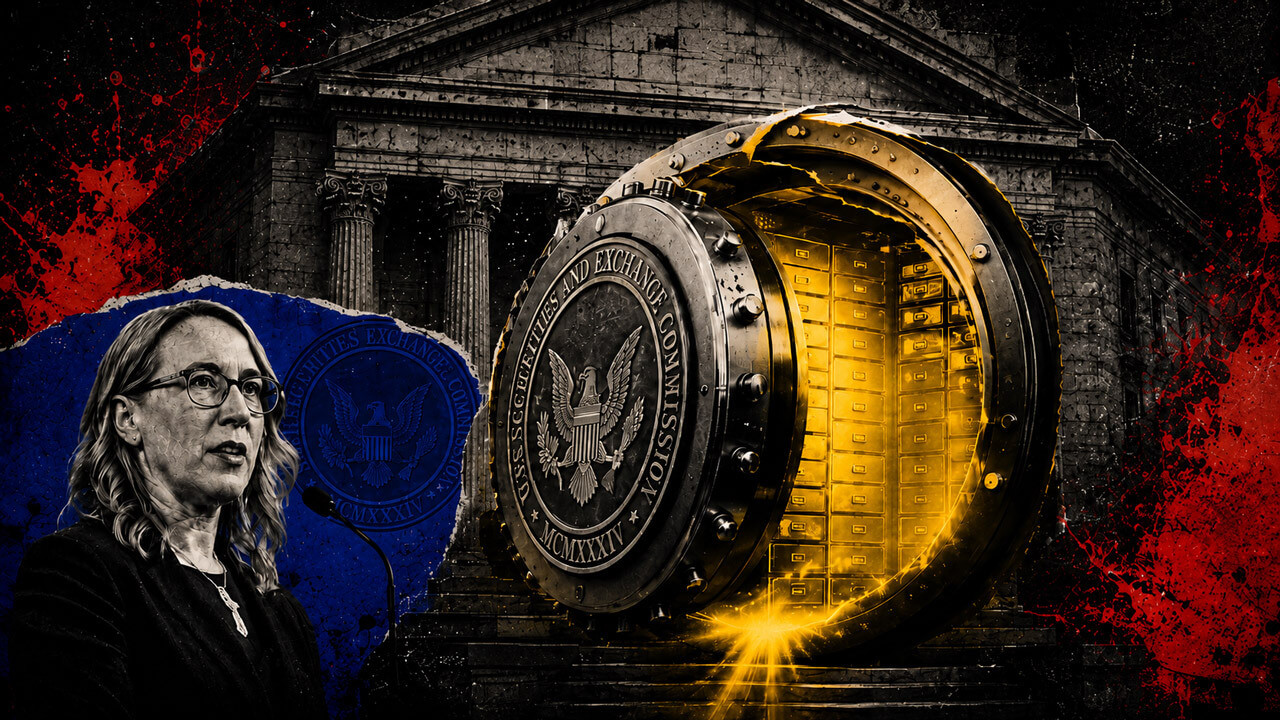
$131 Billion Crypto Vault Boom Challenges SEC's Regulatory Stance
SEC Commissioner Hester Peirce has warned that the regulatory fate of these vaults hinges on their specific structural design and the centralization of investment decisions. This development serves as a critical litmus test for the SEC's evolving relationship with the crypto industry and the future of decentralized yield strategies.

Global Expansion: Qubic Hits 173 Countries via Alchemy Pay Integration
By bridging the gap between traditional finance and the Qubic Protocol, this move is set to drive massive adoption, particularly in key markets like the United States. The integration ensures a seamless onboarding process, making QUBIC more accessible to retail investors worldwide through streamlined payment solutions.
