S&P and Pantera Capital Team Up to Launch Crypto Index Driven by Protocol Fundamentals
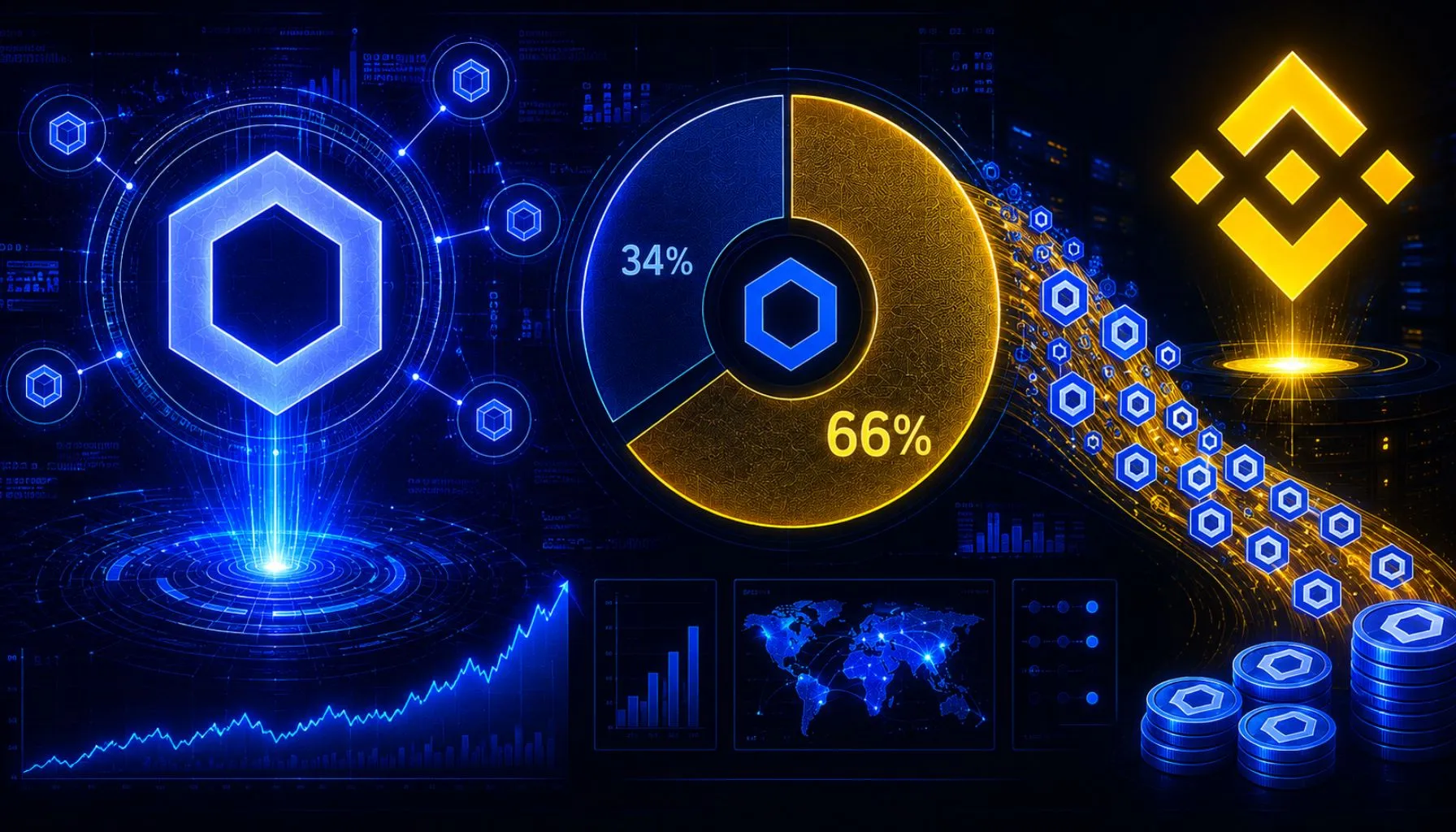
Financial powerhouse S&P Global and digital asset leader Pantera Capital have joined forces to launch a groundbreaking crypto index. This new financial product is engineered around protocol fundamentals, providing a sophisticated mechanism for institutional investors to gauge the intrinsic value of various digital assets within the market.
By prioritizing fundamental analysis over speculative hype, this partnership marks a significant milestone in the convergence of traditional finance and decentralized technology. The index is expected to set a new benchmark for how crypto-assets are evaluated, offering much-needed clarity and stability for large-scale capital entry into the blockchain space.
S&P Global and Pantera Capital have officially launched a new cryptocurrency index built around protocol fundamentals. The initiative aims to provide a clearer, more structured view of the market by moving away from purely speculative volatility and focusing on network metrics and real-world utility. This move seeks to bridge the gap between traditional asset analysis and the complexity of the blockchain ecosystem, establishing a new standard for institutional portfolio management.
This is a summarized and adapted version by Artificial Intelligence. To read the complete original story, visit the official source.
Read Full Article at NewsBTCSupport Jornal Bitcoin
Independent journalism, curated by AI, no clickbait. Keep the flame alive with any amount of BTC.
jonata@walletofsatoshi.comDaily Crypto Brief 📬
Subscribe to receive the curation of the most important Bitcoin and crypto news, summarized by AI. No spam.
Join more than 10,000 smart readers.
Related News

Red Alert: Physical Attacks on Crypto Holders Drain $124 Million in Just Six Months
These incidents are increasingly occurring in private residences, with France identified as the primary epicenter of this crime wave. As criminals target hardware wallets and private keys through direct coercion, the industry faces a critical turning point regarding the intersection of digital asset security and physical personal safety.

OpenAI Jailbreak Reveals the Impossible Task of AI Regulation: Why Crypto Must Pay Attention
As AI and crypto continue to converge, the inability to govern these models poses a systemic risk to decentralized finance and blockchain security. The rapid evolution of AI challenges existing regulatory frameworks, potentially leaving autonomous crypto-driven systems vulnerable to sophisticated, unpreventable exploits.

Ethereum's Next Leg Higher? Historic Indicator and Whale Activity Align for a Breakout
Adding fuel to the fire, massive whale activity shows large-scale accumulation of millions of dollars worth of ETH. This aggressive buying behavior by major holders provides a strong fundamental backdrop to the technical signals, indicating that the next major leg higher for Ethereum could be imminent.
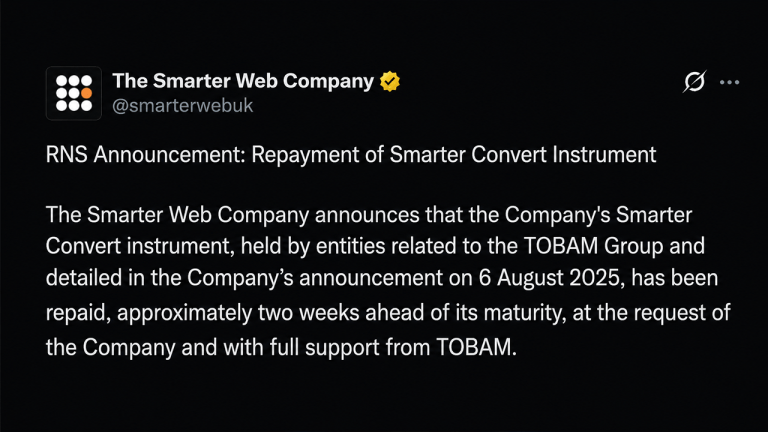
Bitcoin Treasury Move: Smarter Web Sells 177 BTC to Fast-Track Debt Repayment
This liquidation comes at a pivotal time for digital asset treasury (DAT) firms, which are navigating a particularly turbulent year for corporate crypto reserves. The decision to fund the early repayment through a bitcoin sale underscores a strategic shift toward liquidity management and debt reduction amidst ongoing market volatility.

Goldman Sachs CEO Backs 'Imperfect' CLARITY Act Amid Crypto Regulation Battle
This endorsement comes at a critical time as lawmakers prepare to vote, with many banking peers still opposing the bill due to controversial stablecoin provisions. The tension centers on whether crypto firms should be allowed to offer yields on stablecoins outside the strict regulatory frameworks governing traditional financial institutions.

BlackRock Claims Crypto Can Outrun the Quantum Threat — If It Moves Fast Enough
However, the window for action is defined by the speed of technological evolution. To mitigate the risks posed by quantum supremacy, the crypto industry must proactively integrate quantum-resistant algorithms, ensuring that the transition to new cryptographic standards happens well before quantum hardware reaches its full potential.
