OpenAI Jailbreak Reveals the Impossible Task of AI Regulation: Why Crypto Must Pay Attention

A recent OpenAI jailbreak has exposed the near-impossible challenge of regulating artificial intelligence, proving that current safety frameworks are easily bypassed. This breach serves as a high-level intel brief on the inherent volatility of autonomous systems and the limits of centralized oversight.
As AI and crypto continue to converge, the inability to govern these models poses a systemic risk to decentralized finance and blockchain security. The rapid evolution of AI challenges existing regulatory frameworks, potentially leaving autonomous crypto-driven systems vulnerable to sophisticated, unpreventable exploits.
The recent OpenAI jailbreak highlights the near-impossible task of regulating AI, signaling a massive gap between technological advancement and legal oversight. As AI evolves at breakneck speed, it poses significant risks to sectors like crypto, where autonomous systems and smart contracts are increasingly prevalent. This intersection creates a new frontier of vulnerability, where the lack of effective AI regulation could lead to unprecedented exploits in decentralized ecosystems and automated financial protocols.
This is a summarized and adapted version by Artificial Intelligence. To read the complete original story, visit the official source.
Read Full Article at Crypto BriefingSupport Jornal Bitcoin
Independent journalism, curated by AI, no clickbait. Keep the flame alive with any amount of BTC.
jonata@walletofsatoshi.comDaily Crypto Brief 📬
Subscribe to receive the curation of the most important Bitcoin and crypto news, summarized by AI. No spam.
Join more than 10,000 smart readers.
Related News

Bitcoin Stuck Near $65K: Is the AI Boom Siphoning Crypto Capital?
This liquidity shift is compounded by a challenging macroeconomic environment. Rising Treasury yields and a strengthening US dollar are creating headwinds for Bitcoin, as investors increasingly pivot toward income-producing assets and safer yields rather than embracing the volatility of the crypto market.

Tesla Hits $112 Million Crypto Paper Loss as Digital Asset Holdings Shrink
Despite the total value of Tesla's digital assets dropping to $674 million, the company managed to add the full pretax loss back to its adjusted EBITDA. This accounting maneuver aims to shield core operational metrics from the inherent volatility of the crypto market, a strategy increasingly used by institutional investors to navigate Bitcoin price swings.
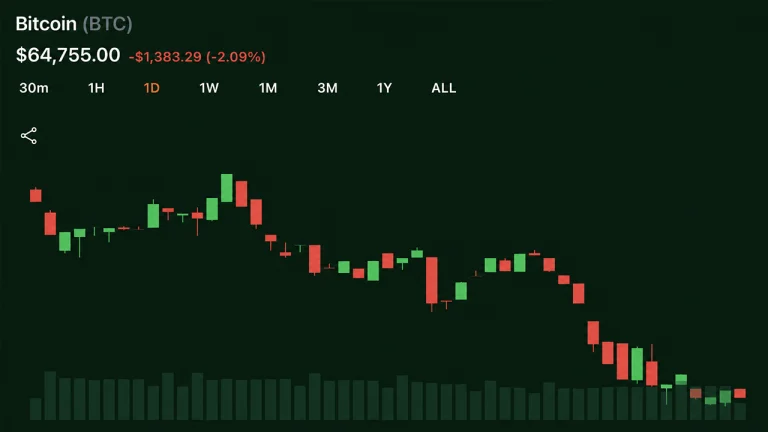
Bitcoin Plummets Below $64,700 as CLARITY Act Stalls and Oil Surges
The decline is being fueled by a combination of geopolitical and legislative headwinds, specifically the stalling of the Senate's CLARITY Act talks and oil prices surging past $101 per barrel. As macroeconomic uncertainty rises, the Bitcoin price is struggling to maintain its previous footing above $66,000, leaving the market in a state of heightened volatility.

Red Alert: Physical Attacks on Crypto Holders Drain $124 Million in Just Six Months
These incidents are increasingly occurring in private residences, with France identified as the primary epicenter of this crime wave. As criminals target hardware wallets and private keys through direct coercion, the industry faces a critical turning point regarding the intersection of digital asset security and physical personal safety.

Ripple CLO Urges Passage of Clarity Act: 'Perfect Can't Be the Enemy of Good'
By advocating for this regulatory framework, Ripple aims to mitigate the risks of legal uncertainty that currently plague the industry. The push for the Clarity Act highlights a strategic move to integrate crypto assets into the mainstream financial system through clear rules, ensuring that market integrity and investor protection remain top priorities during the next wave of adoption.

Kazakhstan's Bold Move: Cheap Electricity Now Tied to Crypto Reserve Contributions
While this strategy could significantly bolster Bitcoin's status as a global reserve asset, the long-term outlook remains clouded by local political risks. The success of these new digital mining rules will depend on whether the government can maintain stability while navigating the complex intersection of energy policy and crypto-asset accumulation.
