Romance Scam Alert: 20-Year-Old's Crypto Wallet Moved $123M in Stolen Funds

Interpol has sent shockwaves through the crypto community by exposing a massive romance scam operation where a single 20-year-old's crypto wallet moved a staggering $123 million. As part of the massive Operation First Light, authorities are targeting the intersection of emotional manipulation and digital asset theft, highlighting how scammers exploit blockchain technology to move illicit gains.
The scale of this global crackdown is unprecedented, involving a 97-country sweep that led to 5,811 arrests and the interception of $293 million in criminal proceeds. This crackdown serves as a major signal to the industry regarding the increasing sophistication of romance scams and the relentless pursuit of law enforcement against crypto-related financial crimes.
A massive romance scam operation has been unmasked by Interpol, revealing that a 20-year-old's crypto wallet was central to moving $123 million in fraudulent funds. The revelation came as part of 'Operation First Light,' a sweeping international law enforcement action aimed at dismantling global cybercrime networks.
The operation was massive in scope, spanning 97 countries and resulting in 5,811 arrests. In total, authorities intercepted $293 million in illicit assets. The arrests in Thailand underscore the global nature of these scams, where criminals use the perceived anonymity of cryptocurrency to facilitate large-scale romance scams and money laundering operations.
This is a summarized and adapted version by Artificial Intelligence. To read the complete original story, visit the official source.
Read Full Article at DecryptSupport Jornal Bitcoin
Independent journalism, curated by AI, no clickbait. Keep the flame alive with any amount of BTC.
jonata@walletofsatoshi.comDaily Crypto Brief 📬
Subscribe to receive the curation of the most important Bitcoin and crypto news, summarized by AI. No spam.
Join more than 10,000 smart readers.
Related News

Legal Storm: Circle Hit with Criminal Complaint Over USDC Recovery Refusal
This landmark case could fundamentally redefine stablecoin issuer responsibilities and the broader regulatory frameworks governing digital assets. The outcome will likely determine the extent of court authority over asset recovery, setting a massive precedent for how decentralized finance interacts with traditional legal systems.

The Selloff Is Over: German Government's Bitcoin Wallet Hits Zero
By clearing the seized assets, the German government has removed the massive selloff overhang that has plagued Bitcoin traders for weeks. This development provides much-needed clarity to the market, as the constant threat of exchange-bound transfers and sudden price dumps has finally been eliminated.

US-Iran Conflict Hits Second Night, Rattling Crypto Markets and Republican Unity
Beyond the immediate market volatility, the conflict is spotlighting the controversial role of digital assets in sanctions evasion. As tensions rise, the intersection of warfare and decentralized finance is becoming a central focus for regulators and investors monitoring global stability.

Bitcoin's Bottom: Why Long-Term Holders Losing $280M Daily is the Ultimate Barrier
To secure a definitive bullish reversal, Bitcoin must breach key psychological and technical levels, specifically the short-term holder cost basis and the True Market Mean. Until these metrics are surpassed, the market remains in a fragile state of recovery, caught between accumulation and ongoing liquidation.

Institutional Breakthrough: Latin America’s Top Exchange Launches Bitcoin, Ether, and Solana Options
Crucially, these options settle into underlying futures contracts rather than spot cryptoassets, meaning there is no requirement for the custody, transfer, or administration of tokens. By bypassing the complexities of wallet management and token handling, the exchange is lowering the barrier to entry for institutional players seeking streamlined exposure to the crypto market.
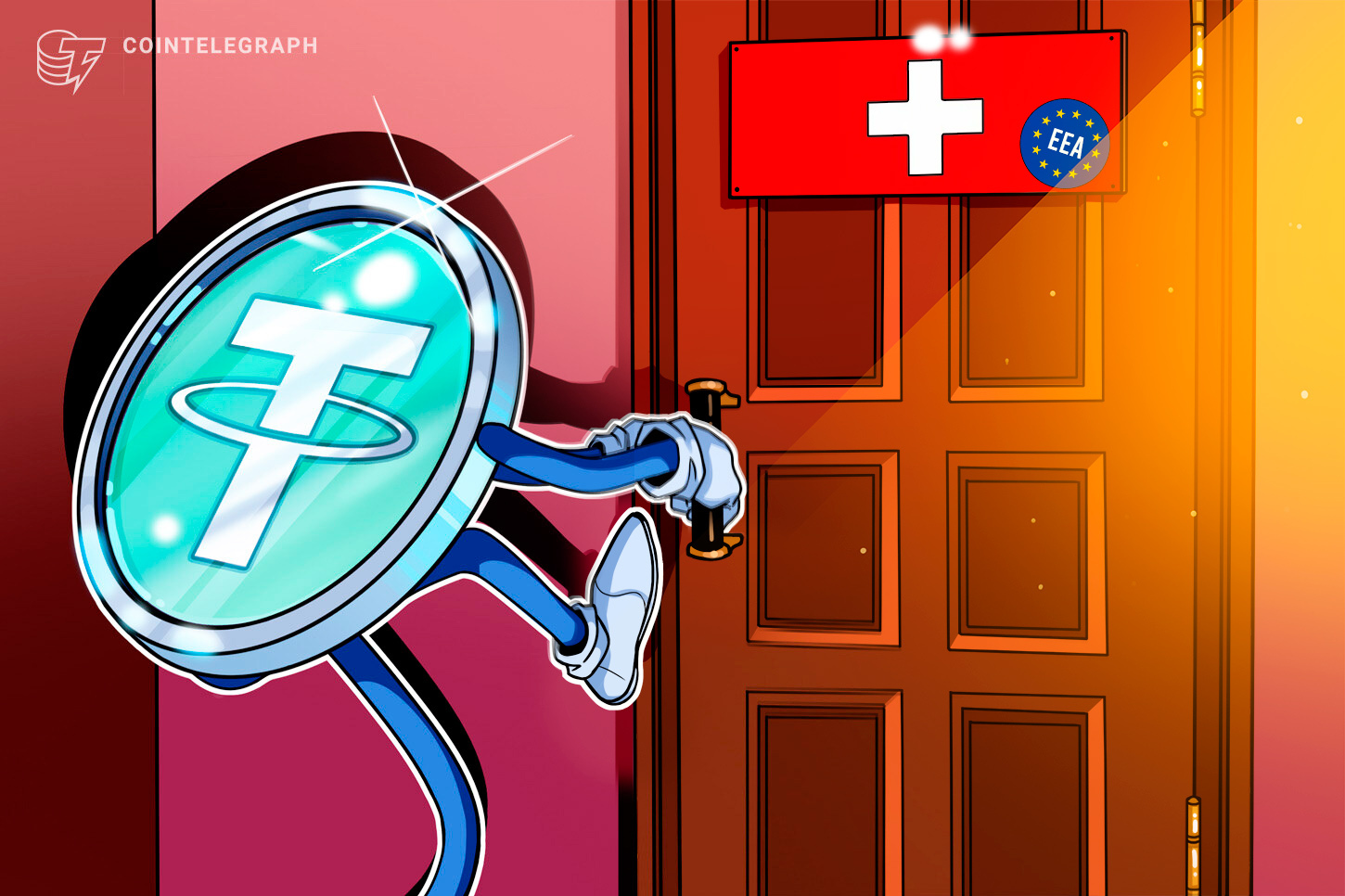
Revolut Delisting USDT: Only European and Swiss Users Affected
The primary driver behind this decision is the need to comply with the European Union's Markets in Crypto-Assets (MiCA) regulation. While the delisting creates friction for European users, the stablecoin support remains fully intact for the rest of the global market, ensuring that the impact is geographically contained.
