US-Iran Conflict Hits Second Night, Rattling Crypto Markets and Republican Unity

The escalating US-Iran conflict has entered its second night of intense fighting, sending shockwaves through global financial markets. This geopolitical instability is causing significant turbulence in the crypto markets, while simultaneously testing the political cohesion of the Republican party in the United States.
Beyond the immediate market volatility, the conflict is spotlighting the controversial role of digital assets in sanctions evasion. As tensions rise, the intersection of warfare and decentralized finance is becoming a central focus for regulators and investors monitoring global stability.
The ongoing US-Iran conflict is destabilizing markets, challenging US political cohesion, and spotlighting crypto's role in sanctions evasion. As the fighting enters its second night, the crypto market is reacting to the heightened geopolitical risk, while the internal unity of the Republican party faces unprecedented pressure.
This is a summarized and adapted version by Artificial Intelligence. To read the complete original story, visit the official source.
Read Full Article at Crypto BriefingSupport Jornal Bitcoin
Independent journalism, curated by AI, no clickbait. Keep the flame alive with any amount of BTC.
jonata@walletofsatoshi.comDaily Crypto Brief 📬
Subscribe to receive the curation of the most important Bitcoin and crypto news, summarized by AI. No spam.
Join more than 10,000 smart readers.
Related News

Bitcoin Holds Strong Above $60,000 as US-Iran Tensions Fuel Global Inflation Fears
The geopolitical instability is reigniting global inflation concerns, as rising oil prices threaten to destabilize the macro economy. For crypto enthusiasts, Bitcoin's ability to maintain these support levels highlights its role as a potential hedge during periods of heightened geopolitical risk and renewed inflationary volatility.
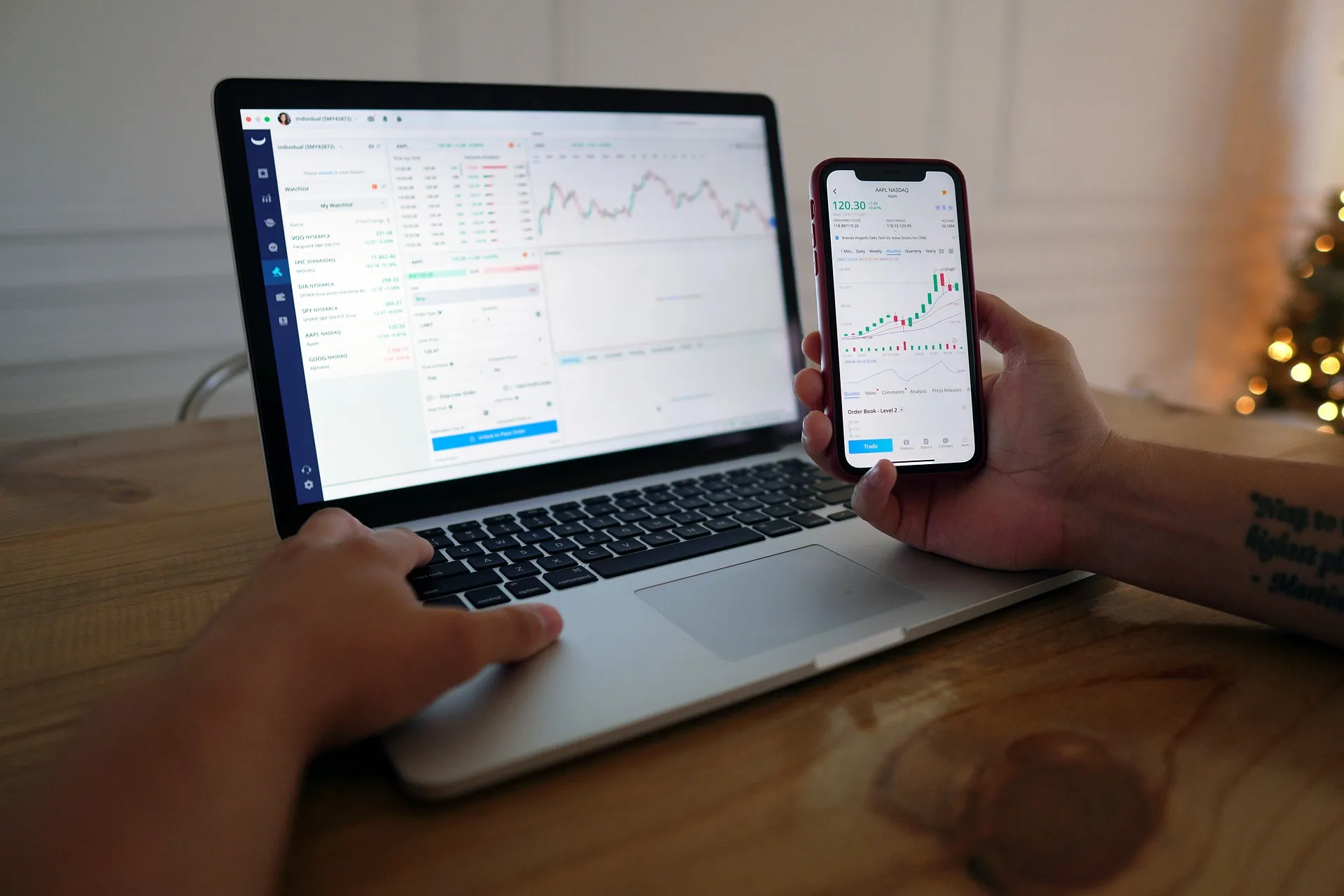
Institutional Demand Rebounds: BlackRock Drives Surge in Bitcoin ETF Inflows
This resurgence follows a period of intense supply-side anxiety triggered by government wallet liquidations and legacy distributions. As BlackRock helps rebuild institutional confidence, the shift from supply pressure to consistent ETF inflows marks a critical turning point for Bitcoin's long-term price stability and adoption.

US Strike Destroys Chabahar Port Control Tower, Crippling Iran’s Maritime Operations
Beyond the immediate destruction, the strike complicates India's strategic connectivity goals and further escalates the ongoing US-Iran tensions. As maritime security becomes increasingly volatile, the fallout from this attack could reshape trade routes and influence global market sentiment regarding geopolitical risk.
The Selloff Is Over: German Government's Bitcoin Wallet Hits Zero
By clearing the seized assets, the German government has removed the massive selloff overhang that has plagued Bitcoin traders for weeks. This development provides much-needed clarity to the market, as the constant threat of exchange-bound transfers and sudden price dumps has finally been eliminated.
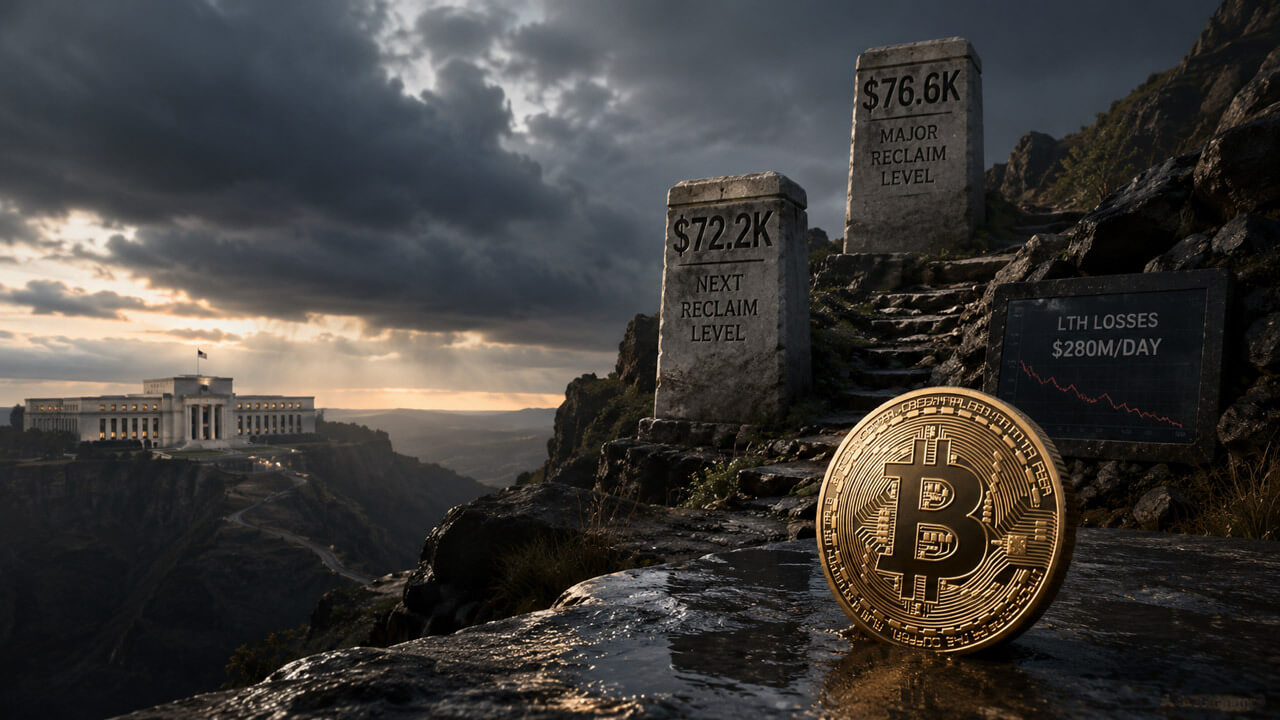
Bitcoin's Bottom: Why Long-Term Holders Losing $280M Daily is the Ultimate Barrier
To secure a definitive bullish reversal, Bitcoin must breach key psychological and technical levels, specifically the short-term holder cost basis and the True Market Mean. Until these metrics are surpassed, the market remains in a fragile state of recovery, caught between accumulation and ongoing liquidation.

Ether Dominance: $70.5M Inflow Into Ethereum ETFs as Bitcoin Faces Heavy Outflows
This capital rotation highlights a growing decoupling between the two largest crypto assets. As Bitcoin faces selling pressure and Solana and XRP funds trend lower, the sustained inflow into Ethereum ETFs suggests that investors are pivoting toward the Ethereum ecosystem, potentially seeking stability or different growth drivers amidst Bitcoin's recent volatility.
