Geopolitical Pivot: Pakistan Urges Iran De-escalation Under US-Iran MoU

Pakistan has stepped into a critical mediation role, urging Iran to de-escalate tensions in alignment with the existing US-Iran Memorandum of Understanding (MoU). This strategic intervention aims to prevent a massive regional conflict that could disrupt global stability and market sentiment.
Pakistan's active involvement highlights its growing strategic importance in stabilizing regional tensions. By facilitating dialogue, Islamabad seeks to foster improved US-Iran relations, potentially averting a direct confrontation that would trigger extreme volatility in both traditional and digital asset markets.
By urging Iran to de-escalate, Pakistan is positioning itself as a key player in regional diplomacy, aiming to mitigate the risks of a broader conflict that could destabilize the geopolitical landscape.
This is a summarized and adapted version by Artificial Intelligence. To read the complete original story, visit the official source.
Read Full Article at Crypto BriefingSupport Jornal Bitcoin
Independent journalism, curated by AI, no clickbait. Keep the flame alive with any amount of BTC.
jonata@walletofsatoshi.comDaily Crypto Brief 📬
Subscribe to receive the curation of the most important Bitcoin and crypto news, summarized by AI. No spam.
Join more than 10,000 smart readers.
Related News
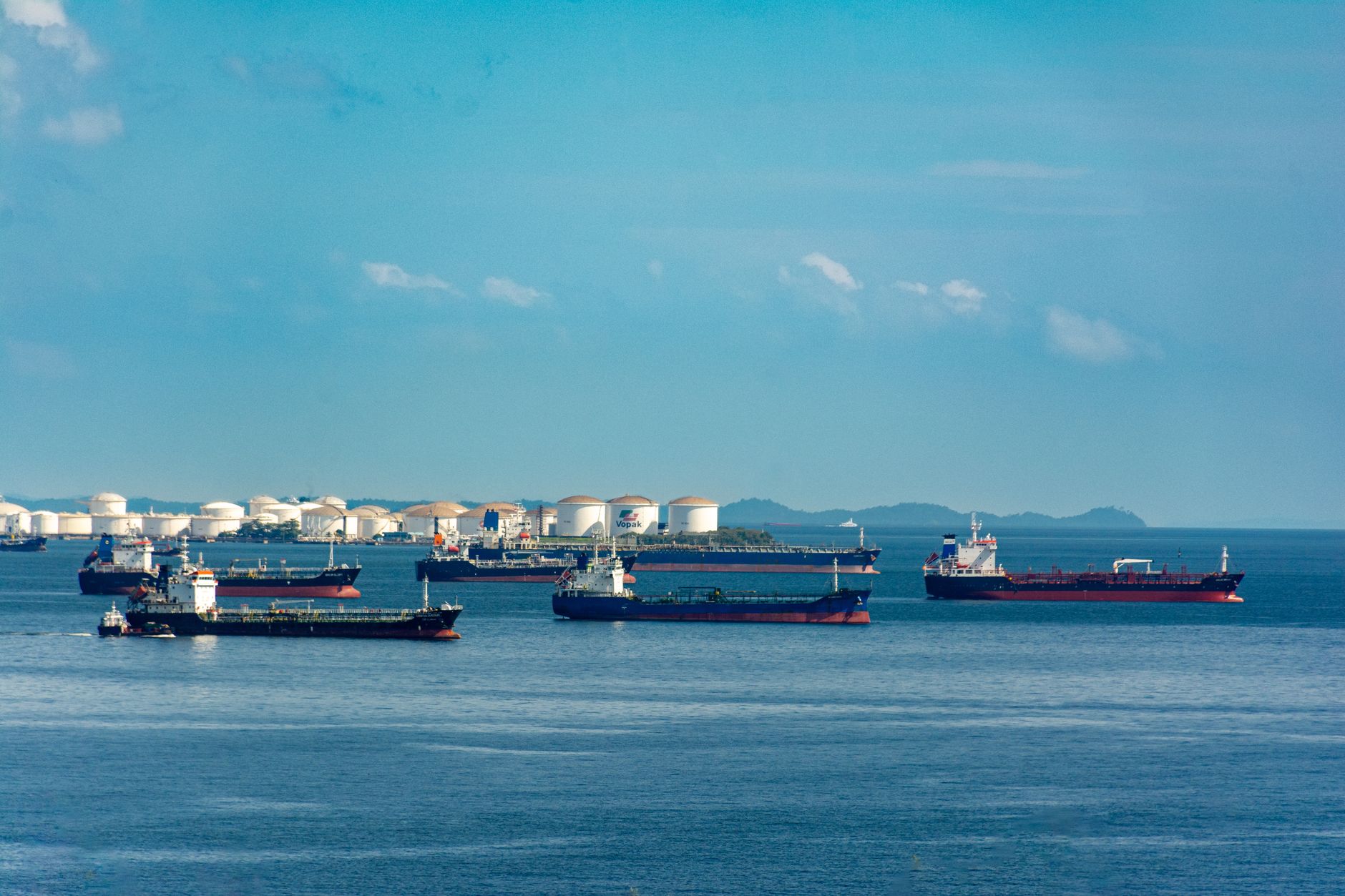
Bitcoin Immune to Chaos? Why BTC is Ignoring Iran's Military Escalation
The price apathy regarding attacks on Iran raises significant questions about Bitcoin's evolution as a digital safe haven. If Bitcoin continues to decouple from traditional geopolitical shocks, it will further solidify its status as a non-correlated asset, standing firm while conventional financial markets face heightened uncertainty.

Middle East Crisis: Qatar Condemns Iranian Assaults Amid 2026 War Fears
The intensification of Iranian aggression risks destabilizing the entire region, potentially triggering internal dissent and widespread economic disruption. As the threat of conflict looms, the impact on regional security and the broader international landscape remains a primary concern for global analysts and market participants.
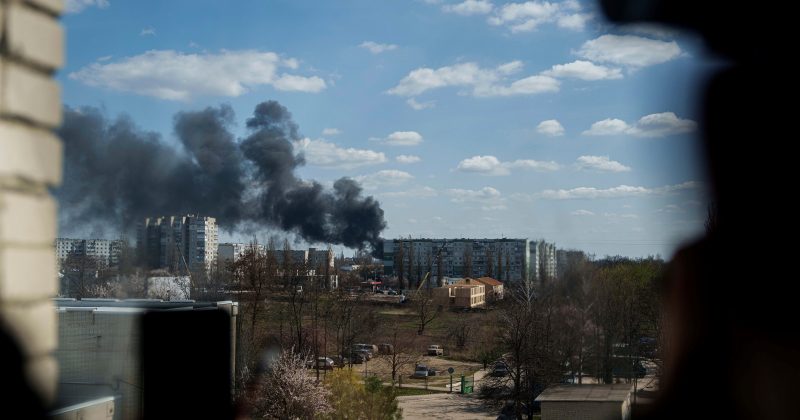
Panic in Sumy: Russian Strike Near Coffee Shop Triggers Civilian Flight
The intensification of hostilities in Sumy highlights the ongoing challenges to Ukrainian defenses and the stalled progress of diplomatic efforts. As the conflict continues, the lack of political resolution maintains a high-risk atmosphere that impacts both humanitarian stability and global geopolitical sentiment.

Macro Shift: Polymarket Odds for Zero Fed Rate Cuts in 2026 Surge to 78%
As Bitcoin fights to maintain its position above $64,000, the intersection of U.S. crypto policy and Fed decisions remains the primary driver of market volatility. This high-stakes betting environment underscores the growing tension between traditional finance expectations and the digital asset market's need for favorable macro conditions.

Polymarket Shift: Russia's Odds Drop to 53.5% Following Ukrainian Strikes on Oil Infrastructure
These strikes on critical energy infrastructure highlight the evolving nature of the conflict. As damage assessments continue regarding the reported fires and maritime hits, the market is pricing in the strategic impact of Ukraine's ability to disrupt Russian logistics and energy production.
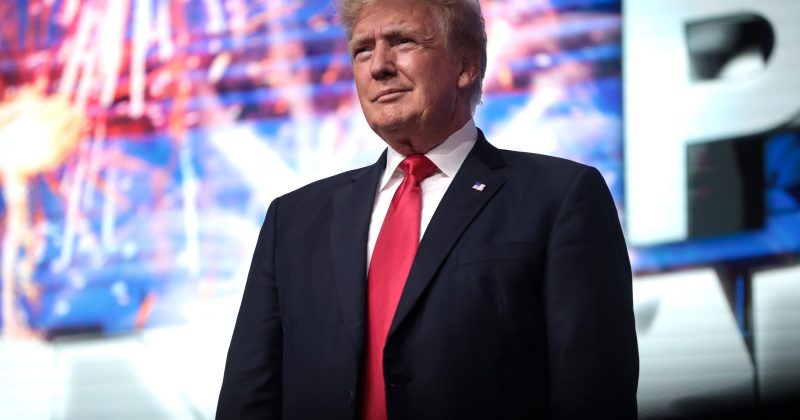
War Warning: Iranian Lawmaker Issues Security Threat Against Trump and White House
These heightened threats are expected to further destabilize diplomatic channels and undermine regional peace efforts. As global uncertainty rises, the potential for direct confrontation poses significant risks to international stability and could trigger massive volatility across global financial and crypto markets.
