Bitcoin Immune to Chaos? Why BTC is Ignoring Iran's Military Escalation

As geopolitical tensions in the Persian Gulf reach a boiling point, Bitcoin is showing unexpected resilience, holding steady near the $63,800 level. This market behavior suggests that the crypto market has already priced in the geopolitical risk, treating the sudden military escalation as a known variable rather than a black swan event.
The price apathy regarding attacks on Iran raises significant questions about Bitcoin's evolution as a digital safe haven. If Bitcoin continues to decouple from traditional geopolitical shocks, it will further solidify its status as a non-correlated asset, standing firm while conventional financial markets face heightened uncertainty.
Bitcoin remains stable near $63,800 despite the military escalation in the Persian Gulf and attacks involving Iran. Contrary to typical market reactions during global crises, the crypto market has shown no signs of panic, suggesting that geopolitical risks have already been priced in by investors. Analysts suggest this 'apathy' may signal market maturity, as traders demonstrate a more sophisticated understanding of how regional conflicts impact digital assets.
This is a summarized and adapted version by Artificial Intelligence. To read the complete original story, visit the official source.
Read Full Article at BlockTrendsSupport Jornal Bitcoin
Independent journalism, curated by AI, no clickbait. Keep the flame alive with any amount of BTC.
jonata@walletofsatoshi.comDaily Crypto Brief 📬
Subscribe to receive the curation of the most important Bitcoin and crypto news, summarized by AI. No spam.
Join more than 10,000 smart readers.
Related News
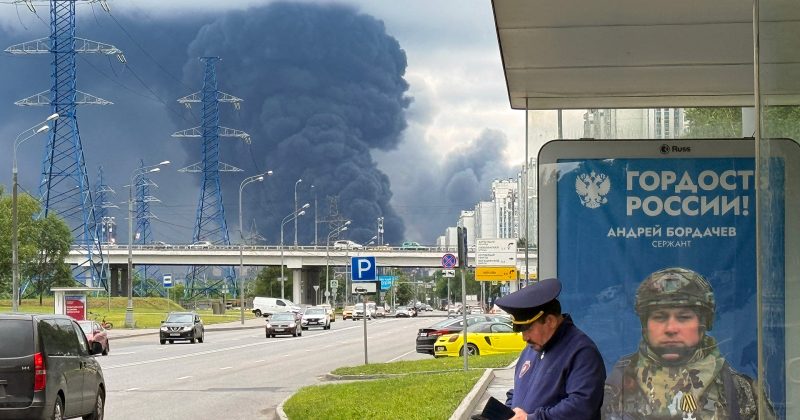
Massive Attrition: 230,000 Russian Soldiers Reported Dead by Day 1,600 of Conflict
Beyond the battlefield, this high casualty rate threatens to undermine Russia's military sustainability and could significantly shift market confidence regarding its strategic objectives. As geopolitical tensions persist, the economic implications of such prolonged attrition remain a primary concern for global stability and investor sentiment.
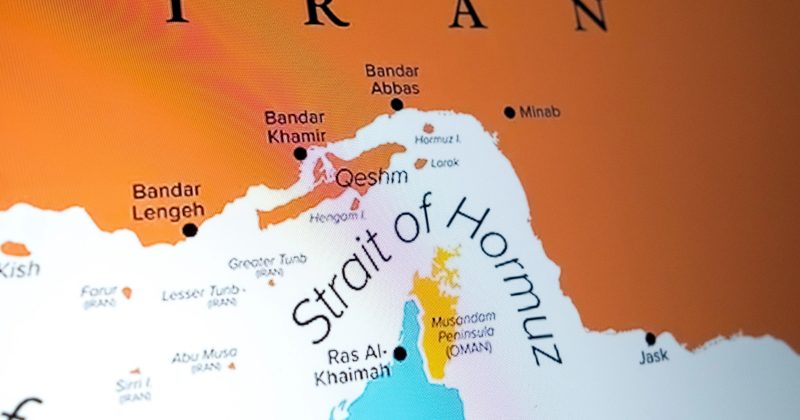
War Zone: US and Iran Exchange Fire in Strait of Hormuz as 2026 Conflict Escalates
The consequences of this military friction extend far beyond regional borders, severely undermining market stability and global economic predictability. As prospects for a diplomatic resolution vanish, the world faces heightened volatility and a potential energy crisis driven by regional instability.
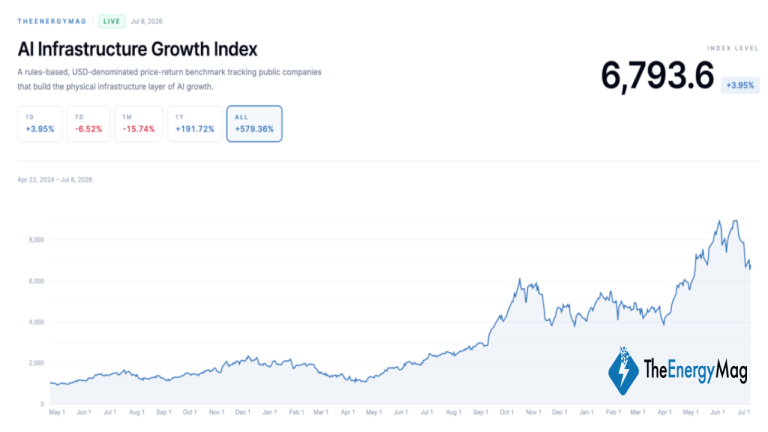
The AI Pivot: How Bitcoin Miners are Chasing AI Liquidity
This shift carries profound implications for the global energy landscape and the long-term valuation of mining companies. As the race for computational power intensifies, the ability to seamlessly transition from Bitcoin mining to AI-driven workloads will likely dictate which players secure institutional liquidity and dominate the next era of digital infrastructure.
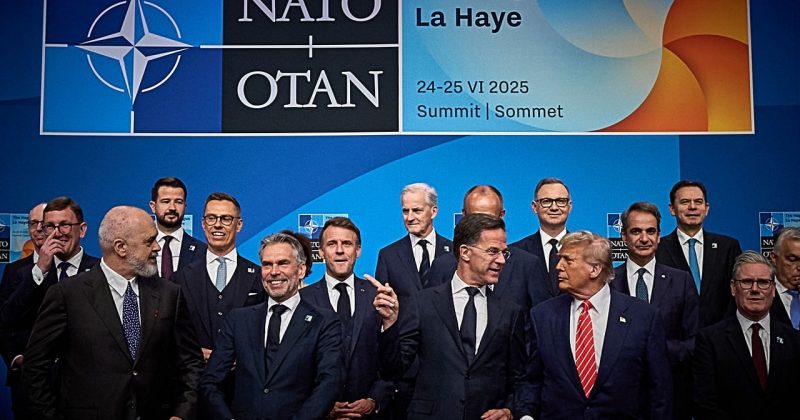
Turkiye Stabilizes NATO at Critical Summit as €70B Aid Package for Ukraine is Unveiled
As the summit also pledged a massive €70B aid package for Ukraine, the European security landscape is entering a new era of massive financial commitment. The combination of Turkiye's mediation and this unprecedented funding level creates a complex environment for market participants tracking global stability and macro-economic shifts.

Crypto Fragility: Bitcoin and Ethereum Under Pressure Amid US-Iran Conflict Escalation
This macro instability is driving massive divergence across the altcoin market. While specific assets like APX and HASH have rocketed in value over the past 24 hours, others like BEAT have plummeted by over 20%, highlighting the extreme volatility currently defining the crypto landscape.

Tether’s Brazil push goes big: $20M backing, police crackdowns, and a fight over 24-hour stablecoin holds
The rollout signals how Tether is expanding its footprint across LATAM, but it also sharpens the regulatory fight around stablecoin hold rules in Brazil. In the same news cycle, “Operation Veil of Maya” underscores the growing enforcement focus on illicit crypto activity—raising compliance stakes for exchanges, issuers, and intermediaries handling stablecoin flows.
