Middle East Crisis: Qatar Condemns Iranian Assaults Amid 2026 War Fears

Qatar has officially condemned Iranian assaults on its territory and neighboring Arab nations, signaling a critical escalation in Middle East tensions. This diplomatic crackdown highlights the growing threat of a potential 2026 Iran war, a scenario that could fundamentally reshape regional security and global geopolitical stability.
The intensification of Iranian aggression risks destabilizing the entire region, potentially triggering internal dissent and widespread economic disruption. As the threat of conflict looms, the impact on regional security and the broader international landscape remains a primary concern for global analysts and market participants.
This is a summarized and adapted version by Artificial Intelligence. To read the complete original story, visit the official source.
Read Full Article at Crypto BriefingSupport Jornal Bitcoin
Independent journalism, curated by AI, no clickbait. Keep the flame alive with any amount of BTC.
jonata@walletofsatoshi.comDaily Crypto Brief 📬
Subscribe to receive the curation of the most important Bitcoin and crypto news, summarized by AI. No spam.
Join more than 10,000 smart readers.
Related News
Crypto Fragility: Bitcoin and Ethereum Under Pressure Amid US-Iran Conflict Escalation
This macro instability is driving massive divergence across the altcoin market. While specific assets like APX and HASH have rocketed in value over the past 24 hours, others like BEAT have plummeted by over 20%, highlighting the extreme volatility currently defining the crypto landscape.
Bitcoin Immune to Chaos? Why BTC is Ignoring Iran's Military Escalation
The price apathy regarding attacks on Iran raises significant questions about Bitcoin's evolution as a digital safe haven. If Bitcoin continues to decouple from traditional geopolitical shocks, it will further solidify its status as a non-correlated asset, standing firm while conventional financial markets face heightened uncertainty.
War Warning: Iranian Lawmaker Issues Security Threat Against Trump and White House
These heightened threats are expected to further destabilize diplomatic channels and undermine regional peace efforts. As global uncertainty rises, the potential for direct confrontation poses significant risks to international stability and could trigger massive volatility across global financial and crypto markets.
Geopolitical Shockwave: US Strikes in Jask Kill Iranian Navy Officer Amid Strait of Hormuz Standoff
The ongoing escalation in the Strait of Hormuz risks destabilizing global oil markets and heightening geopolitical tensions, significantly impacting global security. As uncertainty grows, the ripple effects are expected to hit global markets, forcing a re-evaluation of risk assets and the demand for safe-haven liquidity.

Geopolitical Deadlock: How Lindsey Graham’s Israel Stance Could Block Palestinian Recognition
The consequences of this stance extend far beyond bilateral relations, impacting the broader global landscape of international law and statehood. As the debate intensifies, the influence of key lawmakers like Graham continues to dictate the pace of Middle East peace processes and the overall stability of the region's political architecture.
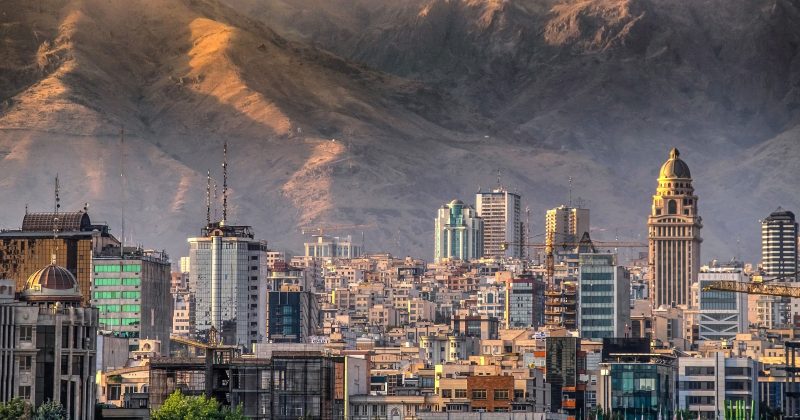
Geopolitical Pivot: Pakistan Urges Iran De-escalation Under US-Iran MoU
Pakistan's active involvement highlights its growing strategic importance in stabilizing regional tensions. By facilitating dialogue, Islamabad seeks to foster improved US-Iran relations, potentially averting a direct confrontation that would trigger extreme volatility in both traditional and digital asset markets.
