OPEC Oil Production Surges Again as Tracking Becomes Increasingly Opaque
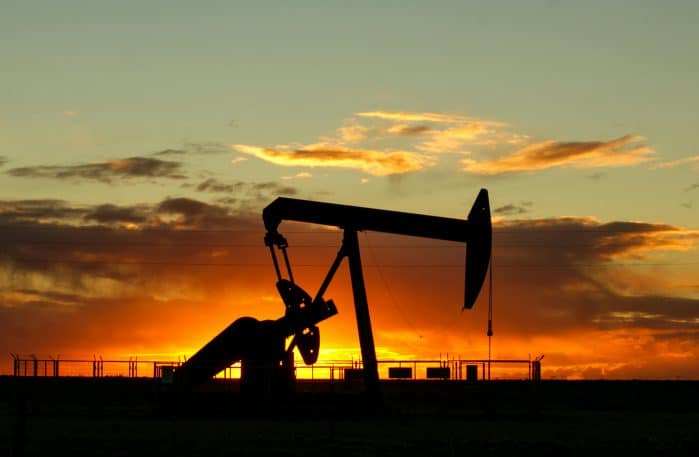
The Organization of the Petroleum Exporting Countries (OPEC) has once again increased its oil production last month, with notable gains recorded in Kuwait, Saudi Arabia, and Iraq. This continued rise in OPEC output, coupled with opaque shipping data, is making oil tracking increasingly difficult for analysts and market participants to accurately monitor.
The potential oversupply resulting from this OPEC production increase could have significant implications for oil prices and market expectations. The lack of transparency in shipping data further complicates market participants' ability to assess actual supply, adding a layer of uncertainty to an already volatile market. This situation unfolds amidst complex geopolitical factors that continue to influence the global energy sector.
This is a summarized and adapted version by Artificial Intelligence. To read the complete original story, visit the official source.
Read Full Article at Crypto BriefingSupport Jornal Bitcoin
Independent journalism, curated by AI, no clickbait. Keep the flame alive with any amount of BTC.
jonata@walletofsatoshi.comDaily Crypto Brief 📬
Subscribe to receive the curation of the most important Bitcoin and crypto news, summarized by AI. No spam.
Join more than 10,000 smart readers.
Related News
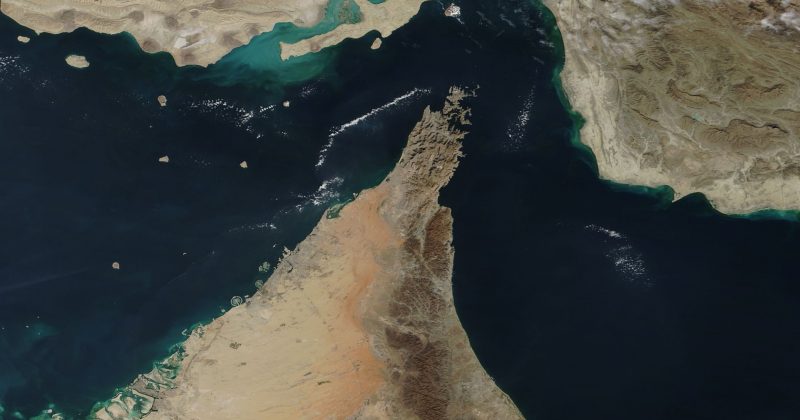
CENTCOM Confirms Strait of Hormuz Route Remains Open for Commercial Ships - Global Oil Markets Stabilize
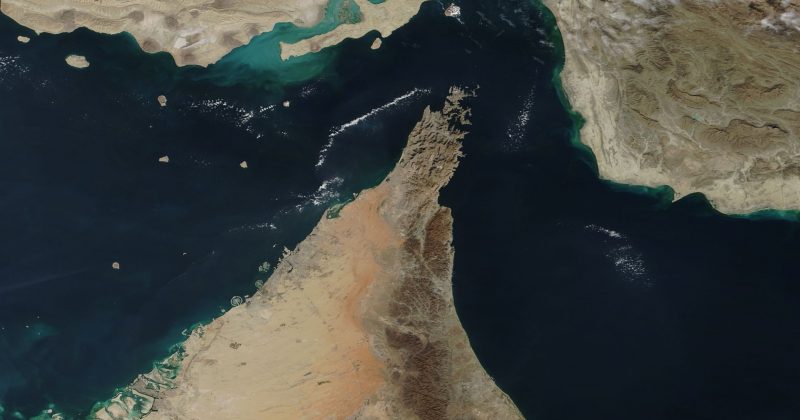
Geopolitical Flashpoint: U.S. and Gulf States Defy Iran's Hormuz Fee Demand, Threatening Global Energy Supply
This new conflict front between Iran and Western coalition directly impacts international energy markets, with potential to trigger oil price volatility. Analysts note that regional instability is influencing prediction market dynamics, where investors closely monitor naval movements and diplomatic tensions as indicators of geopolitical risk.
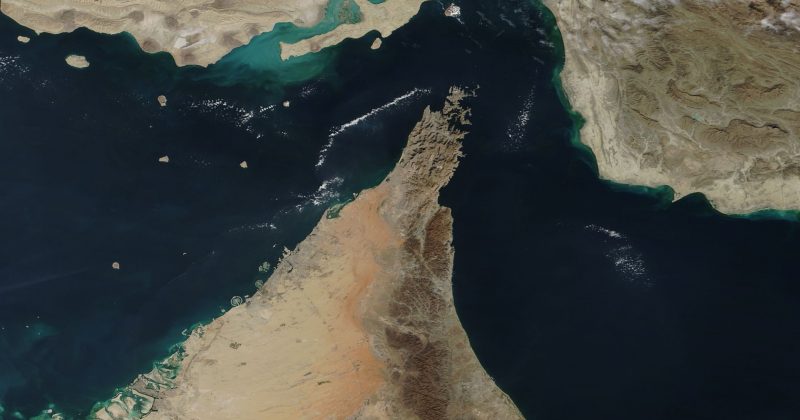
Iran Allows Europeans to Clear Mines in Strait of Hormuz, Easing Oil Market Pressure

US Obstruction Threatens Global Energy Routes and Geopolitical Stability in Strait of Hormuz
US interference in the Gulf region has profound consequences for global energy markets, with potential to cause oil price volatility and disrupt critical supply chains. Geopolitical analysts warn that continued diplomatic obstruction by Washington and its regional partners could escalate existing tensions, affecting not only regional stability but also international relations and global energy security.
Syria Agrees to Cut Russian Oil Imports Amid US Sanction Talks: Reuters