Geopolitical Flashpoint: U.S. and Gulf States Defy Iran's Hormuz Fee Demand, Threatening Global Energy Supply
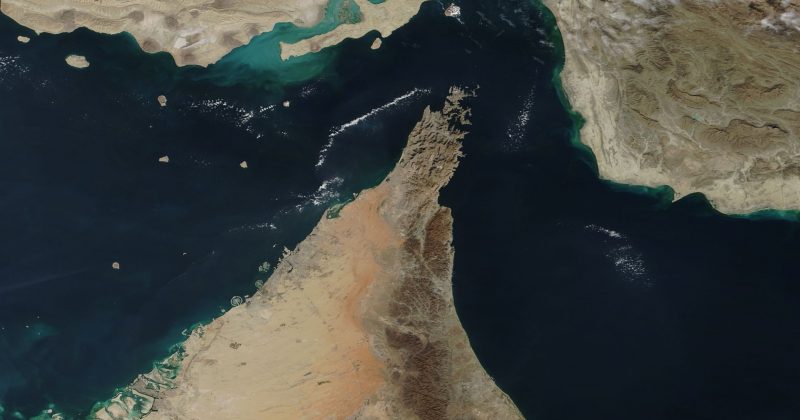
Geopolitical tensions in the Persian Gulf have escalated as the United States and Gulf States categorically reject Iran's demand for transit fees through the Strait of Hormuz. In a joint statement, Western nations and allies insist that reopening of this critical maritime route and security guarantees must precede any financial discussions, threatening global energy supplies and sending shockwaves through cryptocurrency markets.
This new conflict front between Iran and Western coalition directly impacts international energy markets, with potential to trigger oil price volatility. Analysts note that regional instability is influencing prediction market dynamics, where investors closely monitor naval movements and diplomatic tensions as indicators of geopolitical risk.
This is a summarized and adapted version by Artificial Intelligence. To read the complete original story, visit the official source.
Read Full Article at Crypto BriefingSupport Jornal Bitcoin
Independent journalism, curated by AI, no clickbait. Keep the flame alive with any amount of BTC.
jonata@walletofsatoshi.comDaily Crypto Brief 📬
Subscribe to receive the curation of the most important Bitcoin and crypto news, summarized by AI. No spam.
Join more than 10,000 smart readers.
Related News
FBI Agent Accused of $1 Million Crypto Theft From 'Adversarial Nation'
This incident occurs at a time of increasing scrutiny on digital asset security and the integrity of government officials. The accusation against a federal agent involving cryptocurrency from an adversarial nation highlights vulnerabilities within the system and the complexities of modern cybercrime. The case could have significant implications for diplomatic relations and national security policies, particularly given the origin of the stolen assets.
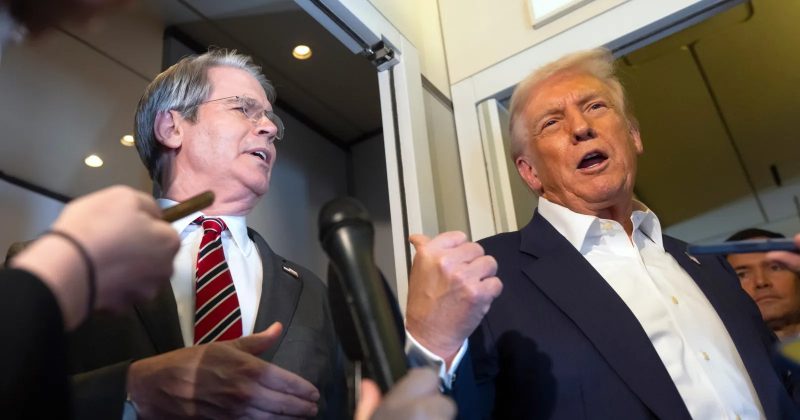
US pledges full support to Japan after yen intervention, confirms Bessent
The yen intervention, led by the Bank of Japan, has significant implications for trade balances, regional currencies, and investment flows worldwide. This US support signals a coordinated response to stabilize markets and prevent imbalances that could affect global economic recovery, especially at a time of geopolitical uncertainty and tensions in global supply chains.

UBS Slapped With Record $125M Fine for Money Laundering Failures
The penalty comes after UBS ignored prior warnings, including a 2018 fine, demonstrating systemic failures in its anti-money laundering protocols. This case serves as a stark warning to the global financial sector about the escalating consequences of failing to comply with anti-money laundering regulations, particularly in an environment where cryptocurrencies and digital financial transactions are increasingly under scrutiny.
Republicans Blame Democrats for Stalled Crypto Clarity Act as Deadline Looms
The legislative gridlock represents a significant setback for the U.S. crypto industry, leaving regulatory uncertainty and creating an unstable business environment. As political parties exchange blame, the crypto sector awaits clear regulatory framework that could foster innovation and investment in the burgeoning digital asset market.
Hashdex Shuts Down Bitcoin ETF Amid Asset Struggles
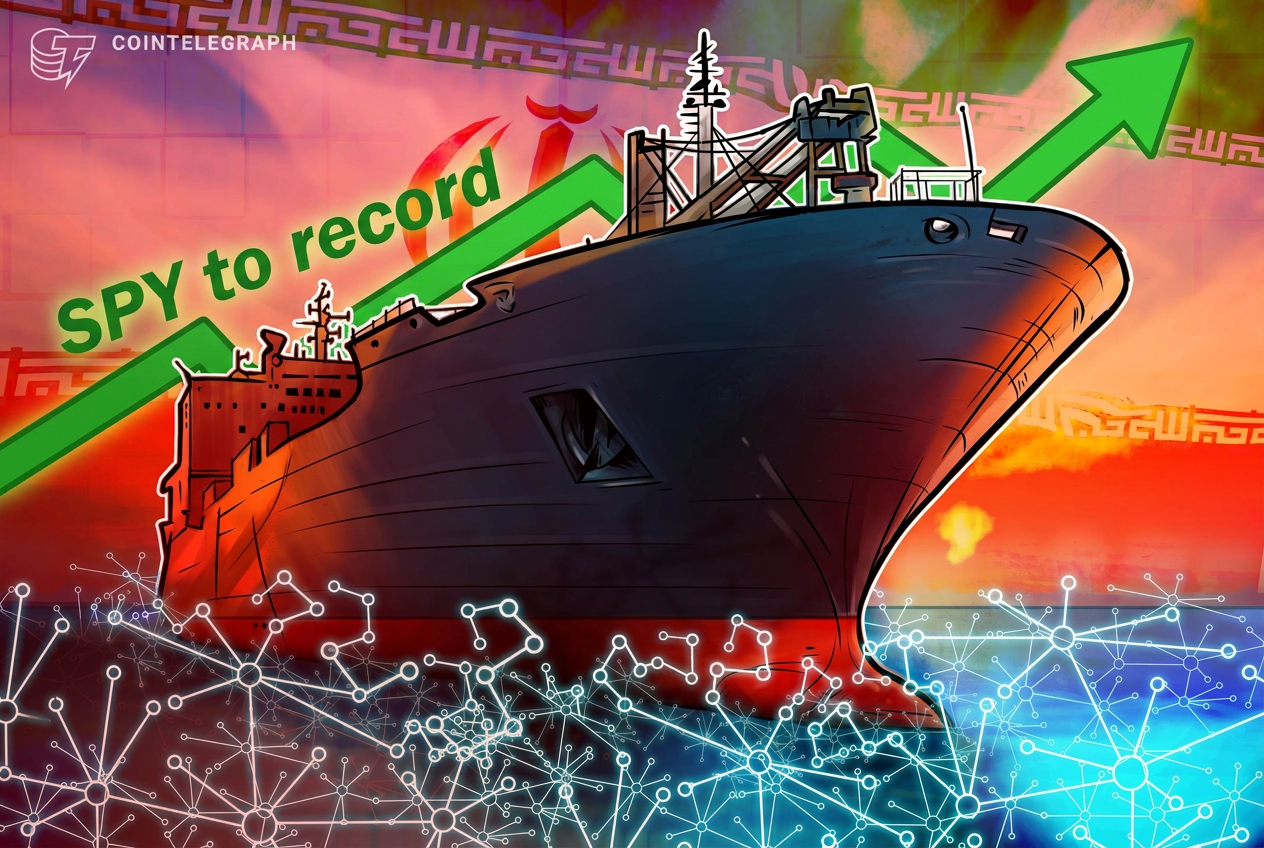
Bitcoin coils at $64K as Hormuz reopening timeline sends S&P 500 to $70T record
The positive market sentiment reflects growing confidence in geopolitical stability, benefiting both traditional and cryptocurrency markets. Bitcoin's approximately 1% daily gain indicates how crypto markets are increasingly responding to global events, particularly those affecting oil markets and international relations. This correlation suggests traditional market movements are having a stronger influence on crypto prices as institutional adoption continues to grow.
