Iran Allows Europeans to Clear Mines in Strait of Hormuz, Easing Oil Market Pressure
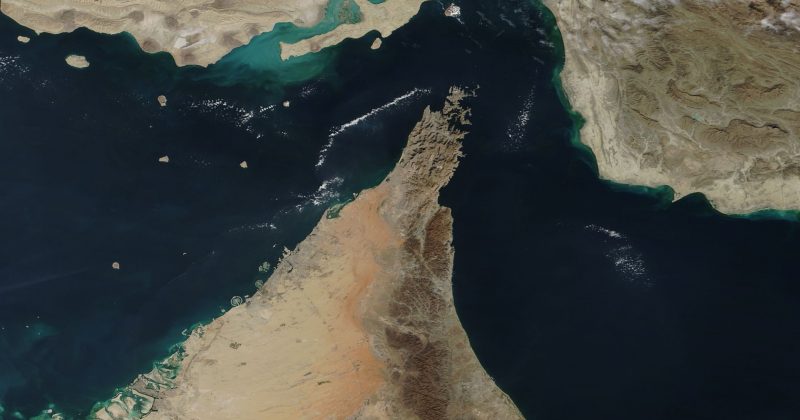
Iran is considering allowing European nations to clear mines in the Strait of Hormuz, a potential geopolitical shift that could stabilize oil markets and reduce international tensions. This strategic move, if implemented, would bring significant relief to global energy markets and could have profound implications for Bitcoin prices and other cryptocurrencies. The Iranian measure, if realized, would not only reduce volatility in oil prices but could also decrease demand for safe-haven assets like gold and cryptocurrencies. With the Strait of Hormuz being a critical route for 20% of the world's oil, European mine clearance could pave the way for greater global economic stability, directly influencing the cryptocurrency market and the adoption of digital assets as hedges against geopolitical uncertainties.
This is a summarized and adapted version by Artificial Intelligence. To read the complete original story, visit the official source.
Read Full Article at Crypto BriefingSupport Jornal Bitcoin
Independent journalism, curated by AI, no clickbait. Keep the flame alive with any amount of BTC.
jonata@walletofsatoshi.comDaily Crypto Brief 📬
Subscribe to receive the curation of the most important Bitcoin and crypto news, summarized by AI. No spam.
Join more than 10,000 smart readers.
Related News

UBS Slapped With Record $125M Fine for Money Laundering Failures
The penalty comes after UBS ignored prior warnings, including a 2018 fine, demonstrating systemic failures in its anti-money laundering protocols. This case serves as a stark warning to the global financial sector about the escalating consequences of failing to comply with anti-money laundering regulations, particularly in an environment where cryptocurrencies and digital financial transactions are increasingly under scrutiny.
Italy's Biggest Bank Dumps 94% of Bitcoin, Loads Up on Staked Ethereum
This significant maneuver comes amid accelerating institutional adoption of Ethereum, particularly with staking products that generate passive yield. While Bitcoin remains the most recognized digital asset, the preference for Ethereum reflects a bet on its utility as a platform for smart contracts and decentralized finance. The decision by Italy's largest bank may signal a broader trend among European financial institutions to diversify their crypto holdings beyond Bitcoin, potentially reshaping institutional investment patterns in the digital asset space.
BlackRock Leads Charge: Bitcoin ETFs Surge with $170M Inflow
This capital movement represents fresh August allocations at a critical time for the crypto market. While Ether products lost $11.42 million and HYPE continued its decline, Bitcoin shows resilience and attractiveness. BlackRock's leadership signals a significant shift in institutional perception, potentially paving the way for mainstream Bitcoin ETF adoption.
Republicans Blame Democrats for Stalled Crypto Clarity Act as Deadline Looms
The legislative gridlock represents a significant setback for the U.S. crypto industry, leaving regulatory uncertainty and creating an unstable business environment. As political parties exchange blame, the crypto sector awaits clear regulatory framework that could foster innovation and investment in the burgeoning digital asset market.

Mining Company vs Mining Pool: The Difference That Defines Your Bitcoin Success
The choice between operating as an independent mining company or joining a mining pool has significant implications for profitability and stability. Independent mining companies offer full control over resources but face revenue volatility due to network difficulty fluctuations. On the other hand, mining pools provide more consistent rewards but require sharing them. The CoinEx Research analysis highlights that this distinction directly impacts mining strategy and profit potential in the competitive crypto market.