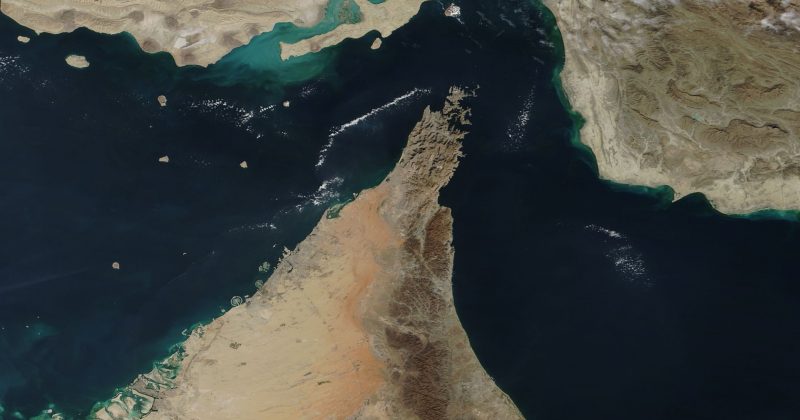
US Obstruction Threatens Global Energy Routes and Geopolitical Stability in Strait of Hormuz
An official has revealed that persistent obstruction by the United States and its regional allies remains the primary obstacle in diplomatic talks, threatening global energy routes and geopolitical stability in the strategically vital Strait of Hormuz region. This American stance is undermining essential progress toward international security and oil flow.
US interference in the Gulf region has profound consequences for global energy markets, with potential to cause oil price volatility and disrupt critical supply chains. Geopolitical analysts warn that continued diplomatic obstruction by Washington and its regional partners could escalate existing tensions, affecting not only regional stability but also international relations and global energy security.
This is a summarized and adapted version by Artificial Intelligence. To read the complete original story, visit the official source.
Read Full Article at Crypto BriefingSupport Jornal Bitcoin
Independent journalism, curated by AI, no clickbait. Keep the flame alive with any amount of BTC.
jonata@walletofsatoshi.comDaily Crypto Brief 📬
Subscribe to receive the curation of the most important Bitcoin and crypto news, summarized by AI. No spam.
Join more than 10,000 smart readers.
Related News

Europe to Foot Bill for Hormuz Reopening in Strategic Move
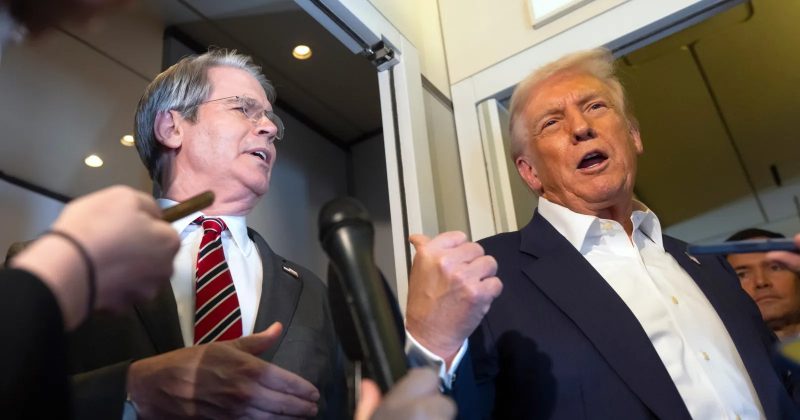
US pledges full support to Japan after yen intervention, confirms Bessent
The yen intervention, led by the Bank of Japan, has significant implications for trade balances, regional currencies, and investment flows worldwide. This US support signals a coordinated response to stabilize markets and prevent imbalances that could affect global economic recovery, especially at a time of geopolitical uncertainty and tensions in global supply chains.
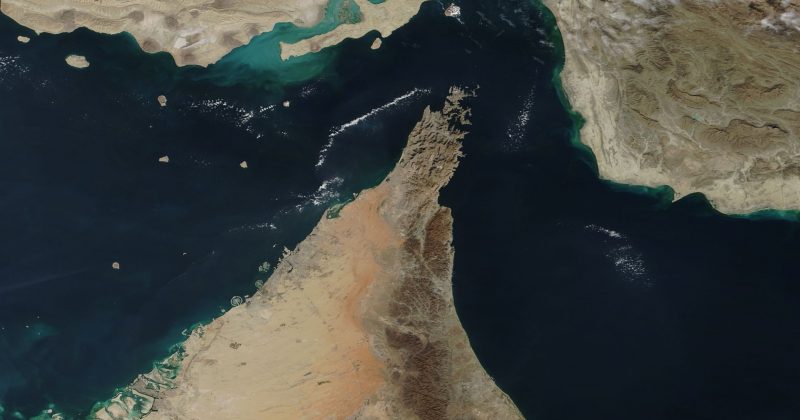
Geopolitical Flashpoint: U.S. and Gulf States Defy Iran's Hormuz Fee Demand, Threatening Global Energy Supply
This new conflict front between Iran and Western coalition directly impacts international energy markets, with potential to trigger oil price volatility. Analysts note that regional instability is influencing prediction market dynamics, where investors closely monitor naval movements and diplomatic tensions as indicators of geopolitical risk.
Bitcoin coils at $64K as Hormuz reopening timeline sends S&P 500 to $70T record
The positive market sentiment reflects growing confidence in geopolitical stability, benefiting both traditional and cryptocurrency markets. Bitcoin's approximately 1% daily gain indicates how crypto markets are increasingly responding to global events, particularly those affecting oil markets and international relations. This correlation suggests traditional market movements are having a stronger influence on crypto prices as institutional adoption continues to grow.

US-Iran Talks Show Positive Progress at Technical and Political Levels - Geopolitical Shift Imminent?