Netanyahu invokes Graham legacy to demand dismantling of Iran’s nuclear program, fueling global tension
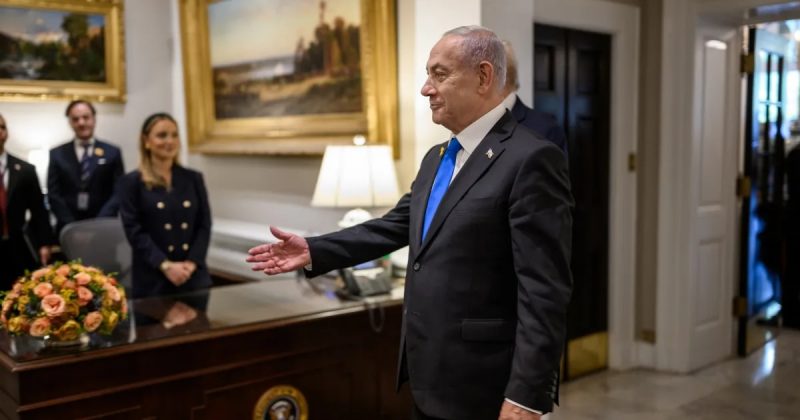
Israeli Prime Minister Benjamin Netanyahu has invoked the legacy of the late Senator Graham to bolster his stance on dismantling Iran’s nuclear program. This strategic move signals a hardening of diplomatic positions, potentially derailing ongoing efforts to stabilize the Middle East and increasing overall geopolitical instability.
Netanyahu's remarks pose a significant threat to U.S.-Iran nuclear negotiations, potentially closing the window for a peaceful resolution. As the rhetoric intensifies, the likelihood of a successful peace agreement diminishes, creating a ripple effect of uncertainty that could impact global markets and international security frameworks.
In a high-stakes political maneuver, Prime Minister Benjamin Netanyahu cited the late Senator Graham to advocate for the total dismantling of Iran’s nuclear program. This stance reflects a hardline approach that threatens to undermine current diplomatic channels between the United States and Iran.
Experts warn that Netanyahu's rhetoric may hinder critical U.S.-Iran nuclear negotiations, significantly increasing the risk of regional conflict. By prioritizing aggressive dismantling over diplomatic compromise, the move increases geopolitical instability and reduces the chances for a sustainable peace agreement, leaving the global community on edge.
This is a summarized and adapted version by Artificial Intelligence. To read the complete original story, visit the official source.
Read Full Article at Crypto BriefingSupport Jornal Bitcoin
Independent journalism, curated by AI, no clickbait. Keep the flame alive with any amount of BTC.
jonata@walletofsatoshi.comDaily Crypto Brief 📬
Subscribe to receive the curation of the most important Bitcoin and crypto news, summarized by AI. No spam.
Join more than 10,000 smart readers.
Related News
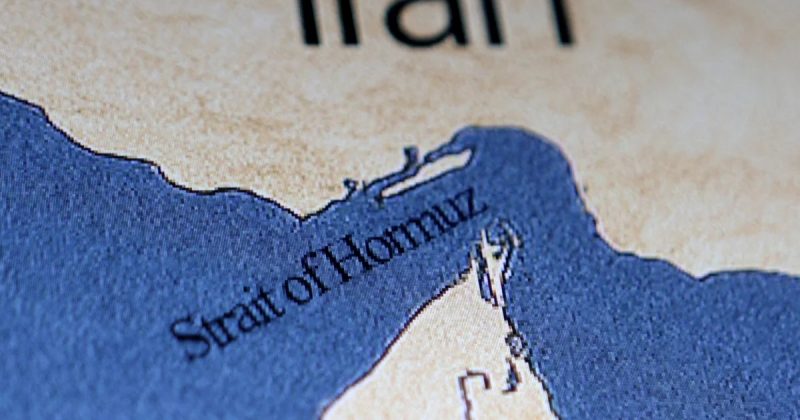
Global Chaos: Iran Closes Strait of Hormuz, Threatening World Oil Supply
Beyond the immediate impact on energy prices, the escalating conflict with the United States threatens to profoundly shift U.S. political dynamics and international economic stability. Investors are closely monitoring how this supply crisis will drive global inflation and volatility across risk assets.

Polymarket Shakeup: Eizenkot Surges to 39.4% Lead Over Netanyahu in Israel PM Race
This surge in Eizenkot's odds highlights a significant pivot in market sentiment regarding Israel's leadership stability. As prediction markets react to real-time political volatility, the dominance of Eizenkot suggests that investors and analysts are bracing for a potential shift in the country's executive direction.
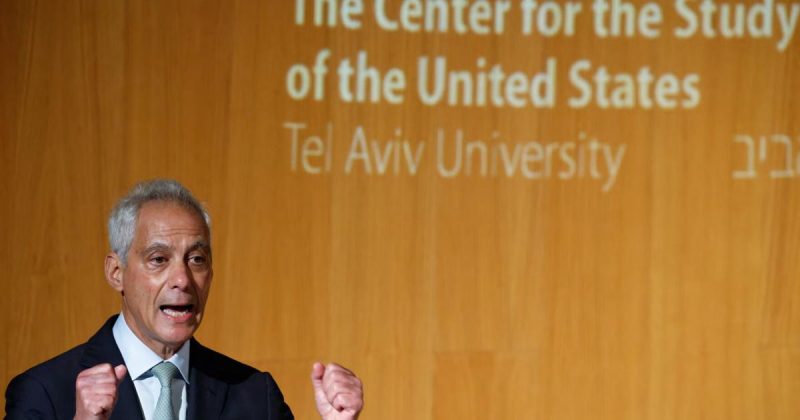
Red Alert: Rahm Emanuel Warns Israel's Pariah Status is Unsustainable
Such a shift is expected to trigger massive strategic realignments, reshaping global alliances and altering long-standing international dynamics. Monitoring these geopolitical shifts is essential, as they carry profound implications for global stability and the future of international diplomacy.
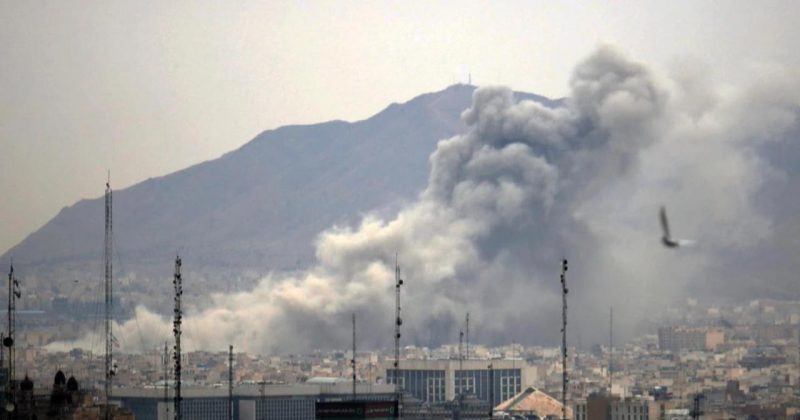
US Strikes in Iran Kill Telecom Official, Sending Shockwaves Through Crypto Markets
Beyond the immediate casualties, the fallout threatens to destabilize global markets and drive oil prices upward, creating a ripple effect of volatility across the crypto landscape. As geopolitical uncertainty rises, the digital asset market faces significant turbulence, testing the resilience of crypto assets in times of global crisis.
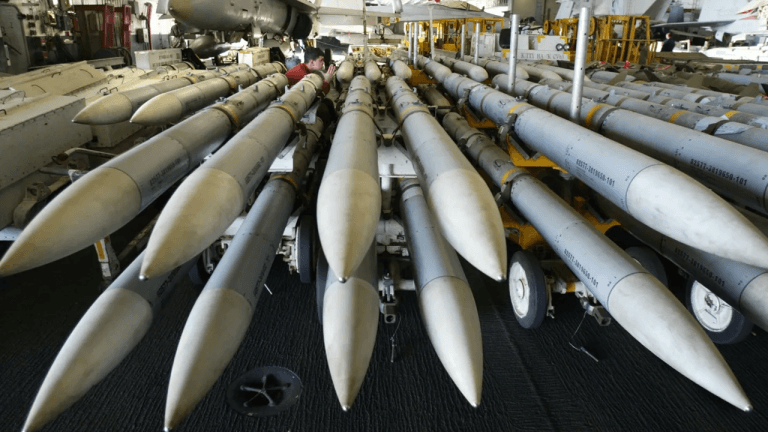
Geopolitical Chaos: Trump Threatens Iran with 1,000 Missiles as Bitcoin Hovers Near $64,000
This sudden escalation introduces significant macro risks to the digital asset space. As the market attempts to climb out of one of its worst months on record, the tension in the Middle East serves as a critical catalyst that could either drive Bitcoin toward a safe-haven rally or trigger a broader liquidity crunch.
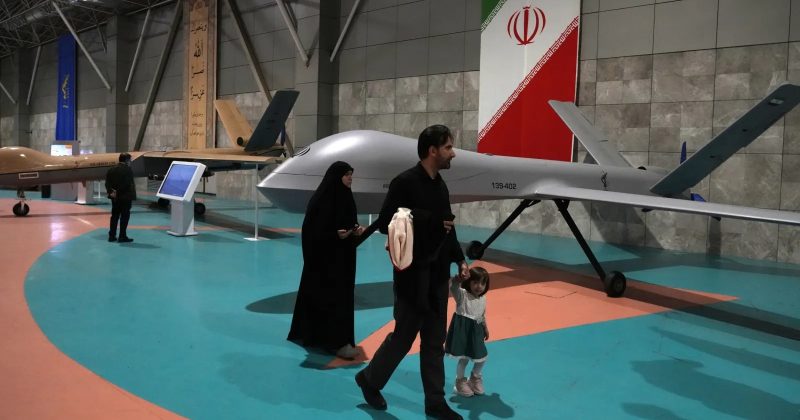
Geopolitical Alert: Iran Triples Drone Production Amid Escalating US Tensions
The heightened friction with the United States and the expansion of the Iranian drone arsenal increase the likelihood of sudden military escalations. Such geopolitical shifts are critical for market participants to monitor, as military actions in the Middle East often trigger rapid volatility across crypto assets and traditional hedge markets.
