Geopolitical Chaos: Trump Threatens Iran with 1,000 Missiles as Bitcoin Hovers Near $64,000

Global markets are on edge following Donald Trump's explosive declaration that the fragile ceasefire with Iran has collapsed. As Trump threatens the deployment of 1,000 missiles, Bitcoin is navigating intense volatility, trading just above the $64,000 mark amidst rising geopolitical uncertainty.
This sudden escalation introduces significant macro risks to the digital asset space. As the market attempts to climb out of one of its worst months on record, the tension in the Middle East serves as a critical catalyst that could either drive Bitcoin toward a safe-haven rally or trigger a broader liquidity crunch.
Bitcoin traded slightly above $64,000 on July 12, as the crypto market reacted to a sudden surge in global tensions. The volatility follows a post on Truth Social by Donald Trump, where he declared the fragile ceasefire with Iran officially over, warning of 1,000 missiles aimed at the nation.
This development adds a heavy layer of uncertainty to a market that is still struggling to recover from one of its worst months on record. Traders are closely watching how this geopolitical friction will impact Bitcoin's price action and its role as a hedge against global instability.
This is a summarized and adapted version by Artificial Intelligence. To read the complete original story, visit the official source.
Read Full Article at Bitcoin.comSupport Jornal Bitcoin
Independent journalism, curated by AI, no clickbait. Keep the flame alive with any amount of BTC.
jonata@walletofsatoshi.comDaily Crypto Brief 📬
Subscribe to receive the curation of the most important Bitcoin and crypto news, summarized by AI. No spam.
Join more than 10,000 smart readers.
Related News
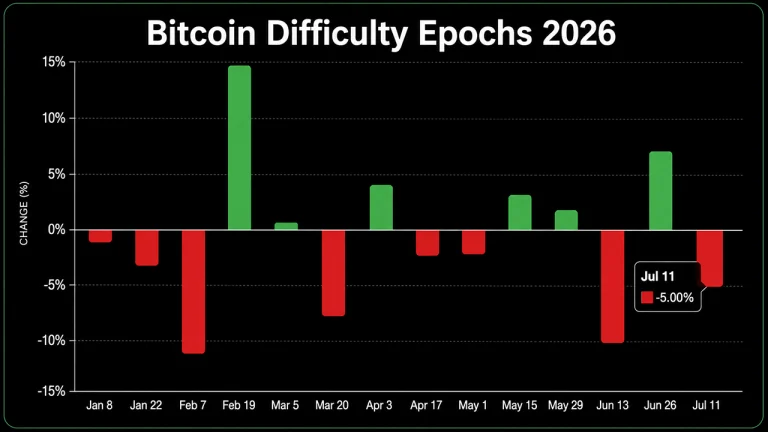
Mining Relief: Bitcoin’s 14th Difficulty Reset Slashes Network Pressure by 6.7 Trillion
This adjustment brings the difficulty metric closer to its yearly lows, reflecting a significant recalibration of the network's computational requirements. As the hashrate adjusts to this new reality, market participants are closely monitoring the impact on miner profitability and the overall security equilibrium of the Bitcoin blockchain.
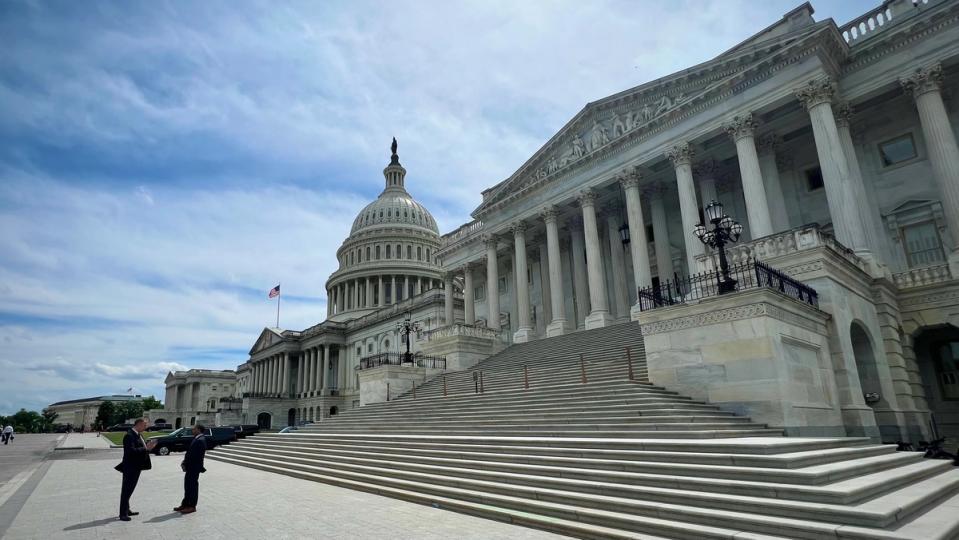
Signs of Life? New Clarity Act Draft Expected to Drop This Week
Despite the renewed momentum, significant hurdles remain before the act can be fully implemented. The outcome of this legislative push will determine whether the crypto market finds the stability it needs or continues to face a fragmented regulatory landscape.

Saylor's Signal Problem: Why Ambiguous Messaging Could Stall Bitcoin's Momentum
This communication friction comes as the world's largest digital asset treasury company shifts its long-standing 'never sell' mantra. Strategy has recently pivoted to a more flexible approach, selling Bitcoin to fund dividends for preferred stock holders and replenish cash reserves. Following a recent $216 million BTC sale, the market is closely monitoring how this shift in treasury management impacts Bitcoin's price action.

Bitcoin's Floor is Rising: Bitwise Explains Why This Cycle is Different
This structural evolution is primarily driven by massive institutional adoption, which provides a stronger support level for the cryptocurrency. As the industry evolves, Bitwise contends that the influx of institutional capital is effectively raising the baseline price, creating a more resilient market environment compared to earlier cycles.

Red Alert: Rahm Emanuel Warns Israel's Pariah Status is Unsustainable
Such a shift is expected to trigger massive strategic realignments, reshaping global alliances and altering long-standing international dynamics. Monitoring these geopolitical shifts is essential, as they carry profound implications for global stability and the future of international diplomacy.

Michael Saylor’s Warning: The 5 Critical Risks Shaping Bitcoin’s Future
These risks encompass regulatory shifts, custody system vulnerabilities, and long-term network security challenges. For institutional investors and Bitcoin holders, these insights highlight that the primary threats are not technological failure, but rather the complex interplay of global regulation and evolving financial infrastructure.
