Global Chaos: Iran Closes Strait of Hormuz, Threatening World Oil Supply
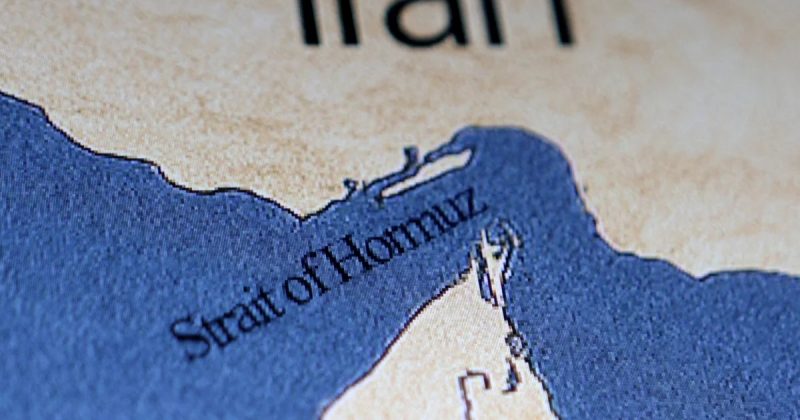
The strategic closure of the Strait of Hormuz by Iran has triggered a global red alert, drastically heightening geopolitical tensions. This disruptive move puts the global oil supply at risk and creates a landscape of extreme uncertainty for financial markets and the energy sector.
Beyond the immediate impact on energy prices, the escalating conflict with the United States threatens to profoundly shift U.S. political dynamics and international economic stability. Investors are closely monitoring how this supply crisis will drive global inflation and volatility across risk assets.
The closure of the Strait of Hormuz by Iran has heightened geopolitical tensions, risking global economic instability and influencing U.S. political dynamics. The blockade of one of the world's most vital maritime routes raises fears of a severe disruption in energy flow, potentially triggering a chain reaction across global markets and American foreign policy.
This is a summarized and adapted version by Artificial Intelligence. To read the complete original story, visit the official source.
Read Full Article at Crypto BriefingSupport Jornal Bitcoin
Independent journalism, curated by AI, no clickbait. Keep the flame alive with any amount of BTC.
jonata@walletofsatoshi.comDaily Crypto Brief 📬
Subscribe to receive the curation of the most important Bitcoin and crypto news, summarized by AI. No spam.
Join more than 10,000 smart readers.
Related News

Breaking Correlation: How AI, Geopolitics, and the Fed are Decoupling Bitcoin from Stocks and Gold
This decoupling suggests that Bitcoin is solidifying its identity as a unique asset class. As capital shifts between commodities and technology driven by Fed decisions, Bitcoin's price action and volatility are increasingly responding to tech innovation narratives and warfare risks rather than moving in lockstep with traditional markets.

Middle East Escalation: Survivors Claim US Base Ignored Warnings in Fatal Attack
This development underscores the rising potential for conflict escalation, directly impacting US military strategy and the long-term stability of the Gulf region. As geopolitical friction intensifies, the global community remains on high alert regarding the consequences of these military setbacks.
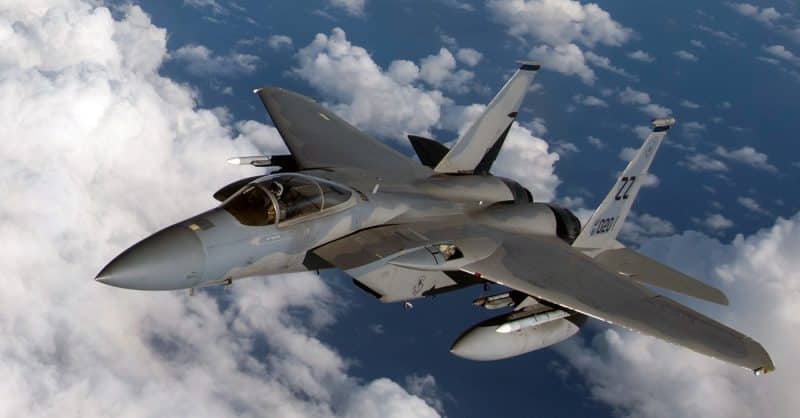
Middle East Tension Surges: US F-35A Deployed Amid Operation Epic Fury Escalation
The consequences of this heightened engagement extend beyond military maneuvers, threatening long-term regional stability. As Operation Epic Fury intensifies, the global community remains on high alert regarding the potential for broader conflict and its ripple effects on international security.
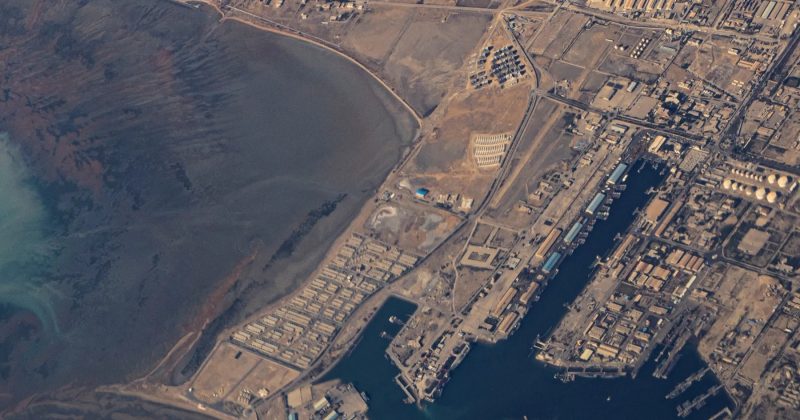
Middle East Explosion: US Strikes Bandar Abbas and Qeshm Island as Iran Ceasefire Collapses
Beyond the immediate kinetic warfare, the heightened instability in Iran could pave the way for forced regime change, fundamentally reshaping the geopolitical landscape. As global market perceptions shift under the weight of this conflict, the ripple effects are expected to hit high-risk assets and the broader macroeconomy with unprecedented force.
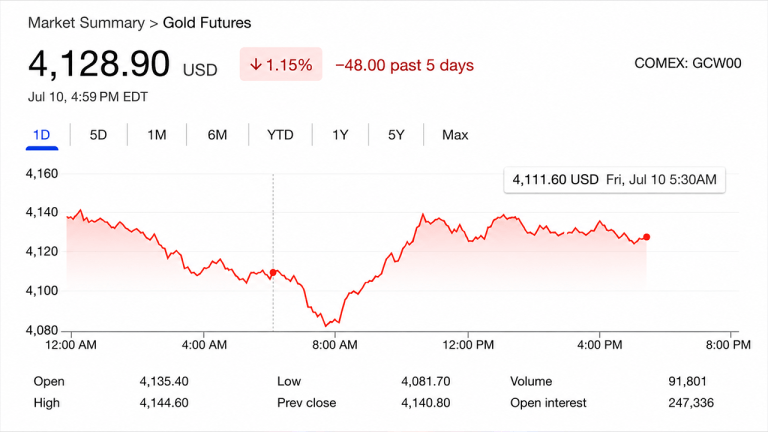
Gold Prices Slide: Iran Tensions and Weak US Jobs Data Erase Precious Metals Rally
This complex interplay of economic and geopolitical factors forced gold and silver in opposing directions within days. While spot gold attempted to hold near $4,175 per ounce, the sudden shift in market sentiment highlights how sensitive precious metals remain to both macroeconomic data and Middle East instability.
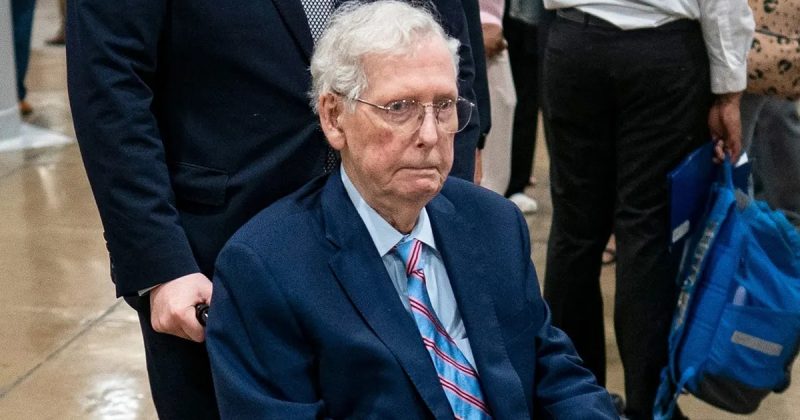
Senate Shakeup? McConnell Health Speculation Intensifies Amid Absence
Beyond the immediate political fallout, McConnell's health status carries significant implications for legislative priorities and long-term governance. Any sudden change in leadership could reshape the legislative landscape, impacting everything from regulatory frameworks to broader economic policy stability.
