Mizuho Downgrades Circle to 'Underperform' as Open USD Threat Looms

Japanese investment giant Mizuho has downgraded Circle to 'underperform,' slashing its price target to $50 in response to emerging competitive pressures. The downgrade highlights a significant shift in the stablecoin landscape, specifically targeting the potential impact of the Open USD model on Circle's financial outlook.
Analysts warn that Open USD's yield pass-through model poses a direct threat to Circle's margins by shifting more reserve income toward distributors. This structural shift could erode the profitability of traditional stablecoin issuers, forcing a reevaluation of Circle's market position and long-term revenue stability in an evolving regulatory and competitive environment.
Mizuho, the Japanese investment bank, has downgraded Circle to 'underperform' and cut its price target to $50, citing the threat posed by Open USD. The bank noted that Open USD's yield pass-through model could heavily pressure Circle's margins by shifting a larger portion of reserve income to distributors, potentially disrupting Circle's established revenue streams.
This is a summarized and adapted version by Artificial Intelligence. To read the complete original story, visit the official source.
Read Full Article at CoinDeskSupport Jornal Bitcoin
Independent journalism, curated by AI, no clickbait. Keep the flame alive with any amount of BTC.
jonata@walletofsatoshi.comDaily Crypto Brief 📬
Subscribe to receive the curation of the most important Bitcoin and crypto news, summarized by AI. No spam.
Join more than 10,000 smart readers.
Related News
Beyond Trading: Binance’s Bold Pivot Toward a Crypto 'Super App' Era
This pivot aims to transform the platform into a comprehensive 'super app' for the crypto economy. As stablecoins continue to reshape market growth, Binance is positioning itself to capture more than just traders, targeting the broader utility of digital assets in everyday financial life.
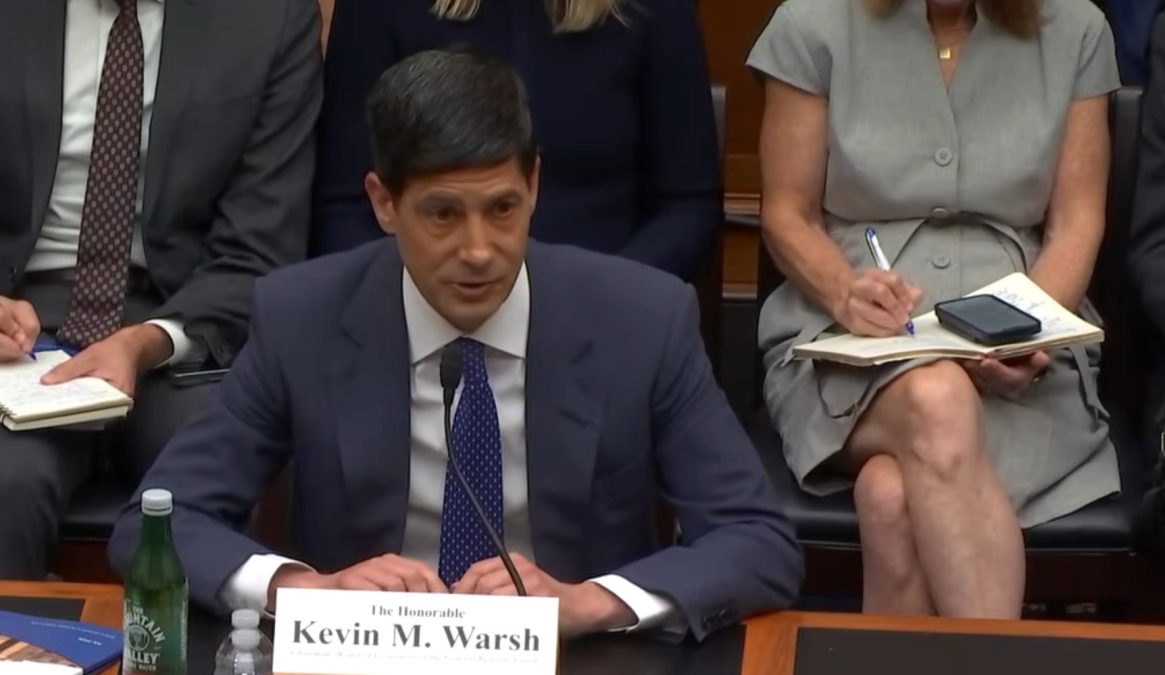
No Bailout: Fed Chair Signals No Safety Net for Stablecoins During Crisis
The implications for the crypto market are profound, as this policy forces a higher standard of collateralization and transparency to prevent contagion. While Warsh remains a vocal proponent of Bitcoin, describing it as an 'important asset,' his refusal to protect stablecoins creates a bifurcated regulatory landscape where Bitcoin's value is recognized, but its secondary stablecoin infrastructure remains exposed to market volatility.
Payment Giant JCB Partners with Circle to Pilot USDC Stablecoin Payments in Japan
By testing proof-of-concept models for internal fund transfers and international visitor payments, the partnership aims to solve complex interoperability challenges across various blockchain networks. This collaboration builds upon JCB's existing efforts to bridge the gap between traditional finance and decentralized technology through physical store pilot programs.
Chainalysis Goes All-In on Tether Ecosystem with New Stable Blockchain Support
This strategic move highlights the growing dominance of the Tether ecosystem and the increasing demand for sophisticated blockchain analytics. By integrating Stable, Chainalysis ensures that compliance officers and investigators can effectively monitor stablecoin liquidity and transaction patterns in real-time.

The Wikipedia Blackout: Why AI Engines Like ChatGPT Might Be Losing the Crypto Plot
As AI models rely heavily on massive datasets for training, outdated or restricted information on Wikipedia creates a bottleneck for machine learning accuracy. The consequence is a potential intelligence deficit where AI fails to grasp the nuances of the crypto market, leading to misinformation and flawed analysis.

No Safety Net: Fed Chair Warns Crypto and Stablecoins Are on Their Own
This decisive stance shifts the burden of risk management directly onto the crypto ecosystem and stablecoin issuers. By explicitly stating that the Fed does not want to be in the 'bailout business,' Warsh is signaling a future where digital assets must maintain extreme liquidity and self-sufficiency to survive market volatility without the expectation of a government-backed safety net.
