No Safety Net: Fed Chair Warns Crypto and Stablecoins Are on Their Own
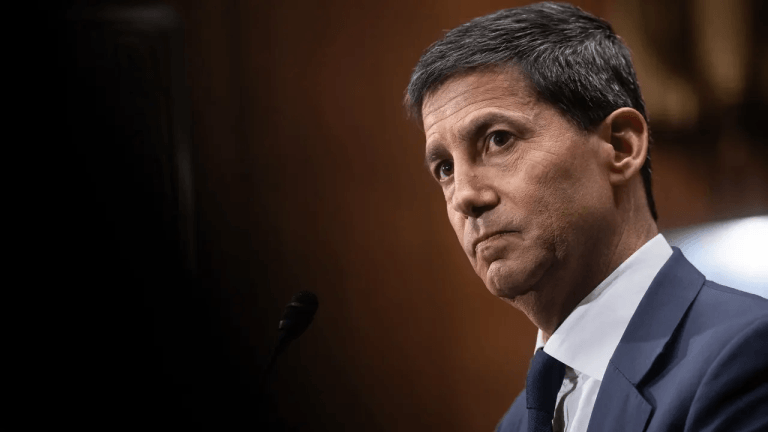
Federal Reserve Chair Kevin Warsh delivered a blunt warning to the House Financial Services Committee, stating that the central bank has zero interest in bailing out the crypto sector. During his first congressional testimony, Warsh drew a definitive line in the sand, making it clear that the Fed will not step in to rescue crypto assets or stablecoins if the industry faces a massive bank run.
This decisive stance shifts the burden of risk management directly onto the crypto ecosystem and stablecoin issuers. By explicitly stating that the Fed does not want to be in the 'bailout business,' Warsh is signaling a future where digital assets must maintain extreme liquidity and self-sufficiency to survive market volatility without the expectation of a government-backed safety net.
Appearing before the committee for the Fed’s Semi-Annual Monetary Policy report, Warsh's comments serve as a stark reminder to the industry: there is no lender of last resort for the crypto market. This lack of a government backstop could fundamentally change how stablecoins are structured and how risk is perceived by institutional investors.
This is a summarized and adapted version by Artificial Intelligence. To read the complete original story, visit the official source.
Read Full Article at Bitcoin.comSupport Jornal Bitcoin
Independent journalism, curated by AI, no clickbait. Keep the flame alive with any amount of BTC.
jonata@walletofsatoshi.comDaily Crypto Brief 📬
Subscribe to receive the curation of the most important Bitcoin and crypto news, summarized by AI. No spam.
Join more than 10,000 smart readers.
Related News
Crackdown on Scams: North Carolina Implements Strict New Rules for Crypto ATMs
Beyond immediate operational constraints, the law introduces vital refund rights for victims of scams, providing a safety net for retail users. This regulatory shift aims to increase accountability within the crypto ATM industry and enhance overall security for digital asset transactions in the state.

Cat Coin Mania: New Meme Token Skyrockets 2,000% in One Week, Overtaking Major Rivals
By flipping established heavyweights like PEANUT and WIF, this token is rewriting the hierarchy of the meme coin sector. The sudden surge highlights the intense volatility and the massive liquidity shifts currently driving the crypto market, as traders hunt for the next viral sensation in the meme economy.

Payment Giant JCB Partners with Circle to Pilot USDC Stablecoin Payments in Japan
By testing proof-of-concept models for internal fund transfers and international visitor payments, the partnership aims to solve complex interoperability challenges across various blockchain networks. This collaboration builds upon JCB's existing efforts to bridge the gap between traditional finance and decentralized technology through physical store pilot programs.

Mizuho Downgrades Circle to 'Underperform' as Open USD Threat Looms
Analysts warn that Open USD's yield pass-through model poses a direct threat to Circle's margins by shifting more reserve income toward distributors. This structural shift could erode the profitability of traditional stablecoin issuers, forcing a reevaluation of Circle's market position and long-term revenue stability in an evolving regulatory and competitive environment.
Chainalysis Goes All-In on Tether Ecosystem with New Stable Blockchain Support
This strategic move highlights the growing dominance of the Tether ecosystem and the increasing demand for sophisticated blockchain analytics. By integrating Stable, Chainalysis ensures that compliance officers and investigators can effectively monitor stablecoin liquidity and transaction patterns in real-time.

South Korea's 8% Stock Crash Fails to Trigger Massive Crypto Rotation
Market data from the July 14 snapshot shows that activity remained 27% below the 30-point average, despite two consecutive increases in volume. This lack of momentum suggests that the South Korean crypto market is currently decoupled from traditional stock volatility, leaving analysts questioning the strength of the local retail investor appetite.
