Middle East on Edge: Explosions in Iran as US Airstrikes Fuel Escalating Tensions
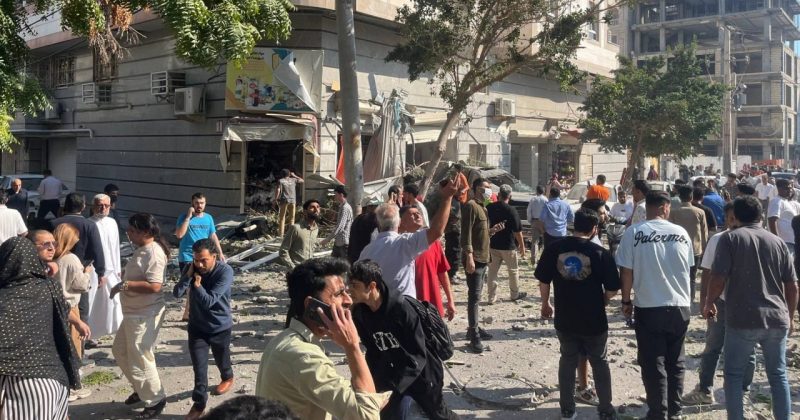
Geopolitical tensions have reached a breaking point following reports of explosions in Iran amidst ongoing U.S. airstrikes. This sudden escalation in military activity represents a significant threat to global stability, potentially triggering massive shifts in market sentiment and liquidity.
With a full airspace closure projected by July 31, the risk of a broader regional conflict is intensifying. As the situation evolves, the impact on global energy supplies and the subsequent flight to safety in the crypto market will be critical factors for traders to watch.
Explosions have been reported in Iran as U.S. airstrikes continue amid escalating tensions in the region. Reports suggest a full airspace closure is expected by July 31, underscoring the severity of the ongoing military operations. The intensifying conflict between major powers keeps global markets on high alert for potential economic fallout and geopolitical shifts.
This is a summarized and adapted version by Artificial Intelligence. To read the complete original story, visit the official source.
Read Full Article at Crypto BriefingSupport Jornal Bitcoin
Independent journalism, curated by AI, no clickbait. Keep the flame alive with any amount of BTC.
jonata@walletofsatoshi.comDaily Crypto Brief 📬
Subscribe to receive the curation of the most important Bitcoin and crypto news, summarized by AI. No spam.
Join more than 10,000 smart readers.
Related News

AI Warfare: Moonshot’s Kimi K3 Model Targets US Dominance
This development carries significant geopolitical weight, signaling China's intensified efforts to break the technological monopoly held by American giants. As the race for AI supremacy accelerates, the introduction of such high-parameter models could fundamentally shift the balance of power in digital infrastructure and large-scale machine learning capabilities.
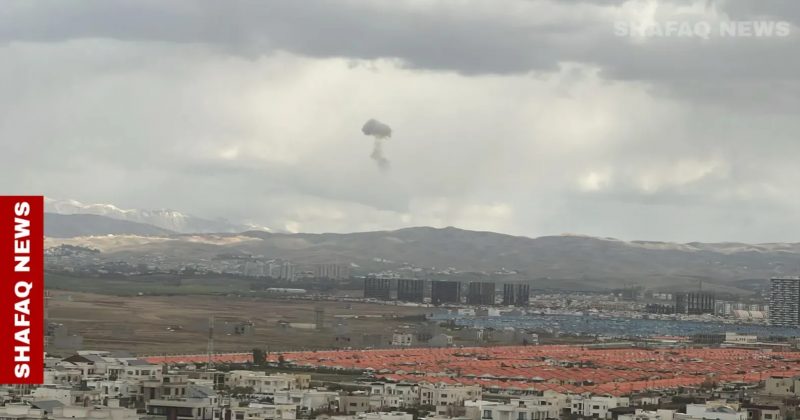
Geopolitical Tension Spikes: Explosive-Laden Drone Intercepted Near Iraqi Airbase
The potential for sudden military escalation in the Middle East poses significant risks to global stability and market sentiment. As geopolitical tensions rise, investors and analysts are closely watching for any further provocations that could trigger broader conflict and impact high-risk asset classes.

Geopolitical Shift: Odds of China-Taiwan Clash Before 2027 Drop to 7.3% on Polymarket
While recent updates have focused on 'future-ready wealth strategies,' there has been no discrete evidence of new military developments to drive the odds higher. The current data suggests a cooling of immediate tension sentiment, even as the broader geopolitical landscape remains highly volatile for global investors.
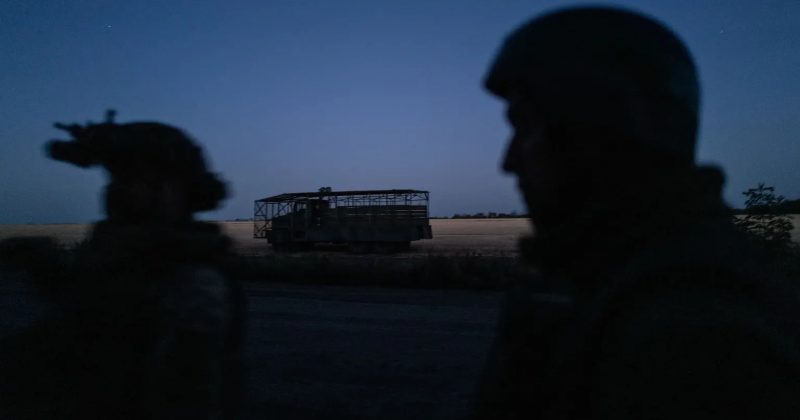
Russian strikes in Dnipropetrovsk kill 2 and injure 17, including children; Donetsk occupation forecast emerges
In a strategic twist, predictive models now suggest a 3.8% probability of Russia capturing the entirety of Donetsk Oblast by December 31, 2026. While the statistical likelihood remains low, the combination of lethal strikes in Dnipropetrovsk and shifting territorial projections keeps the global community on high alert regarding the war's trajectory.
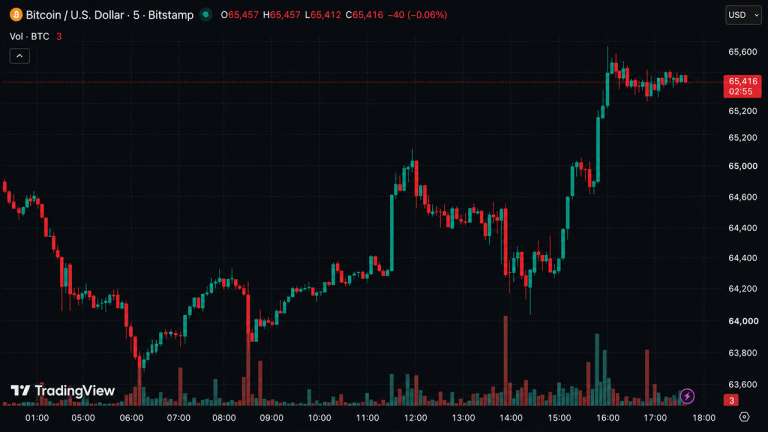
Bitcoin Roars Back Above $65K: Whale Buying Frenzy Defies Iran-US Tensions
The recovery highlights a significant decoupling from traditional market stressors, such as the recent sell-off in U.S. stocks and the spike in oil prices. As Bitcoin stabilizes above key psychological levels, the market is signaling that institutional-grade demand and whale activity remain the dominant forces driving price action, even amidst macro volatility.
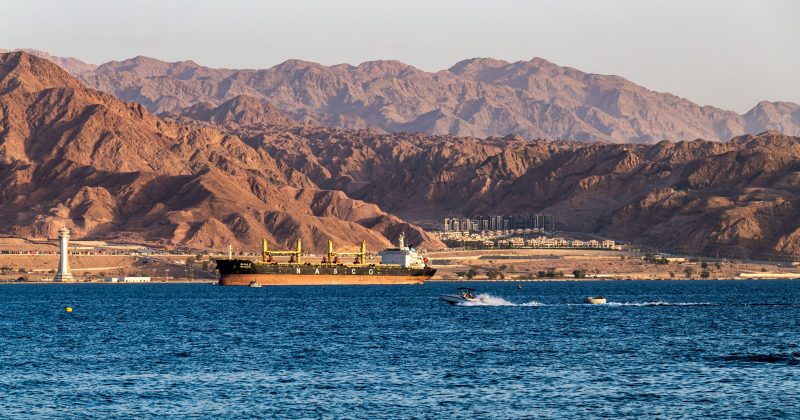
Red Sea Chaos: Insurance Costs Skyrocket Amid Intensifying Houthi Blockade
This sudden spike in insurance costs triggers a wave of uncertainty that could ripple through commodity markets and digital asset sectors. As vessels face prohibitive costs or are forced to reroute, the geopolitical instability in the region remains a critical risk factor for global economic stability and supply chain integrity.
