Bitcoin Roars Back Above $65K: Whale Buying Frenzy Defies Iran-US Tensions
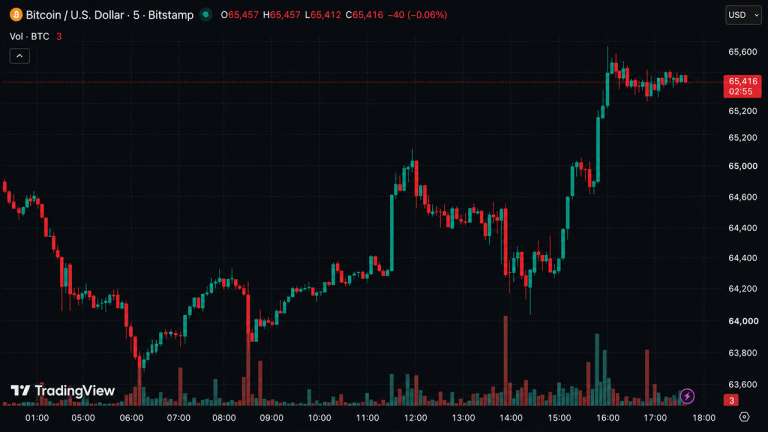
Bitcoin has staged a powerful comeback, climbing back to $65,644 as whale buying frenzy overrides the geopolitical instability between the United States and Iran. Despite a sharp correction on July 17 that saw BTC drop to $63,706, massive accumulation by large-scale holders has effectively neutralized the downward pressure caused by global conflict fears.
The recovery highlights a significant decoupling from traditional market stressors, such as the recent sell-off in U.S. stocks and the spike in oil prices. As Bitcoin stabilizes above key psychological levels, the market is signaling that institutional-grade demand and whale activity remain the dominant forces driving price action, even amidst macro volatility.
Bitcoin roared back above $65,644 on July 20, capping a volatile three-day stretch shaped by both technical chart levels and the escalating tensions between the United States and Iran. The rally follows a hard drop on July 17, when BTC fell to $63,706 as U.S. stocks sold off and oil prices surged due to renewed geopolitical risks.
Ultimately, the market's resilience was driven by heavy accumulation, as whales stepped in to buy the dip, proving that the appetite for Bitcoin remains high despite the macro-economic noise.
This is a summarized and adapted version by Artificial Intelligence. To read the complete original story, visit the official source.
Read Full Article at Bitcoin.comSupport Jornal Bitcoin
Independent journalism, curated by AI, no clickbait. Keep the flame alive with any amount of BTC.
jonata@walletofsatoshi.comDaily Crypto Brief 📬
Subscribe to receive the curation of the most important Bitcoin and crypto news, summarized by AI. No spam.
Join more than 10,000 smart readers.
Related News

Geopolitical Flashpoint: Iran Rejects US and Israeli Influence Amid Escalating Conflict
Amidst the rising friction, reports indicate a potential US-Iran deal involving reconstruction funding slated for 2026, though it currently holds a mere 28.5% approval rating. The intersection of military escalation and failed diplomatic frameworks suggests a prolonged period of instability that could have far-reaching consequences for international relations and market sentiment.

Capitulation Over? Bitcoin Breaks Out of Panic Zone as Momentum Rebuilds
As Bitcoin prices climb out of the danger zone, the rebuilding momentum suggests a potential end to the recent bearish phase. This technical breakout is a key signal for traders monitoring the transition from extreme fear to a renewed bullish structure in the crypto markets.

BlackRock Goes Big: $116M Bitcoin Acquisition Signals Massive Institutional Shift
As Bitcoin hit the $67,500 mark in July, the influx of capital from giants like BlackRock provides critical market validation. This trend highlights a significant shift in global finance, where Bitcoin is increasingly viewed as a legitimate and essential institutional asset class.

Energy Crisis Alert: US Strategic Oil Reserves Plunge to 43-Year Low
Market forecasts suggest a looming surge in crude oil prices, with projections indicating a 6.7% rise by September 30 and a staggering 14% increase by December 31. Such volatility is expected to drive crude oil toward new all-time highs, potentially triggering broader economic shifts.

Bitcoin Surges Past $65K, Sending Polymarket Odds for July Fed Hold to 93%
Beyond the flagship asset, the rally is being supported by gains in tokens like VIRTUAL and UNI, showcasing broader market strength. The convergence of Bitcoin's price action and shifting Fed expectations highlights the critical role macroeconomic signals play in driving liquidity and investor confidence across the digital asset ecosystem.

Polymarket Odds Signal 4% China-Taiwan Invasion Risk Following Joint Sino-Russian Drills
This escalation underscores the intensifying geopolitical friction and the strategic alignment between China and Russia. As these prediction markets provide real-time sentiment on global stability, the increased risk profile serves as a critical signal for macro analysts monitoring how regional conflicts might trigger broader market volatility and shifts in global liquidity.
