Geopolitical Shift: Odds of China-Taiwan Clash Before 2027 Drop to 7.3% on Polymarket
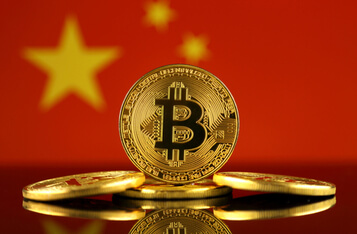
Prediction market giant Polymarket reports a notable decline in the perceived likelihood of a military clash between China and Taiwan before 2027, with odds slipping to just 7.3%. This shift highlights how traders in prediction markets are recalibrating their expectations regarding immediate cross-strait military escalations.
While recent updates have focused on 'future-ready wealth strategies,' there has been no discrete evidence of new military developments to drive the odds higher. The current data suggests a cooling of immediate tension sentiment, even as the broader geopolitical landscape remains highly volatile for global investors.
According to Polymarket odds, the probability of a China-Taiwan clash occurring before 2027 has slipped to 7.3%. Recent updates to related topic pages have focused on 'future-ready wealth strategies,' yet they offered no specific information regarding new cross-strait military developments. The market continues to serve as a key indicator for geopolitical risk assessment.
This is a summarized and adapted version by Artificial Intelligence. To read the complete original story, visit the official source.
Read Full Article at Blockchain.newsSupport Jornal Bitcoin
Independent journalism, curated by AI, no clickbait. Keep the flame alive with any amount of BTC.
jonata@walletofsatoshi.comDaily Crypto Brief 📬
Subscribe to receive the curation of the most important Bitcoin and crypto news, summarized by AI. No spam.
Join more than 10,000 smart readers.
Related News

Bitcoin Surges Past $65K, Sending Polymarket Odds for July Fed Hold to 93%
Beyond the flagship asset, the rally is being supported by gains in tokens like VIRTUAL and UNI, showcasing broader market strength. The convergence of Bitcoin's price action and shifting Fed expectations highlights the critical role macroeconomic signals play in driving liquidity and investor confidence across the digital asset ecosystem.

Polymarket Odds Signal 4% China-Taiwan Invasion Risk Following Joint Sino-Russian Drills
This escalation underscores the intensifying geopolitical friction and the strategic alignment between China and Russia. As these prediction markets provide real-time sentiment on global stability, the increased risk profile serves as a critical signal for macro analysts monitoring how regional conflicts might trigger broader market volatility and shifts in global liquidity.

Polymarket Shock: Trump Odds Plunge to 0.35% Following Minnesota Ruling
This volatility highlights how judicial outcomes can instantaneously reshape market sentiment within prediction platforms. As legal chatter intensifies, investors are closely watching how this Minnesota ruling might disrupt the broader political landscape and influence the high-stakes betting environment surrounding the upcoming elections.

Oil dips as US-Iran mediation reports surface—crude set for a new all-time high by Sept 30
Despite the dip, attention is shifting to upside momentum: crude is flagged for a new all-time high by September 30, with a potential 6.7% gain. The takeaway: macro and geopolitics are still driving commodity pricing, shaping expectations across markets and influencing broader risk sentiment.
Goldman Sachs Warning: Brent Oil Could Surge Past $120 Amid Hormuz Tension
Looking further ahead, projections indicate that WTI could also hit the $120 mark by July 2026. Such a surge in oil prices would likely fuel global inflationary pressures, potentially tightening liquidity across financial markets and influencing the broader trajectory of risk assets, including the cryptocurrency sector.

Polymarket Odds Crash as Iran's Hormuz Attacks Fuel Geopolitical Uncertainty
The sudden drop in odds underscores the heightened risk premium being applied to global shipping routes. As prediction markets react to these military escalations, the volatility highlights how geopolitical instability directly influences decentralized forecasting platforms and global energy security concerns.
