Legislative Turmoil: Controversial Knesset Laws Spark Fears of Early Elections
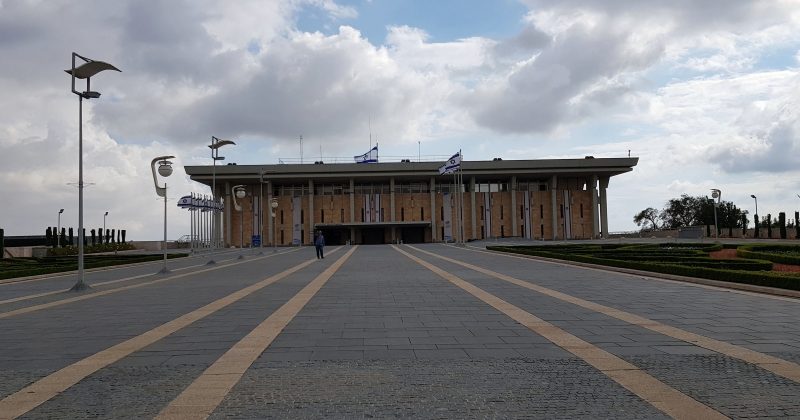
The Knesset has passed a series of controversial laws, significantly heightening political tensions across the nation. This legislative shift serves as a major catalyst for potential political instability as the country approaches the 2026 election cycle.
These legal changes are expected to disrupt existing coalition dynamics and could ultimately force the government into holding early elections. The impact of these laws extends beyond mere policy, threatening the very foundation of current political stability.
The Knesset has passed controversial laws amid mounting political tensions ahead of the 2026 elections. These legislative changes are poised to heighten political instability, potentially leading to a shift in coalition dynamics and the possibility of early elections.
This is a summarized and adapted version by Artificial Intelligence. To read the complete original story, visit the official source.
Read Full Article at Crypto BriefingSupport Jornal Bitcoin
Independent journalism, curated by AI, no clickbait. Keep the flame alive with any amount of BTC.
jonata@walletofsatoshi.comDaily Crypto Brief 📬
Subscribe to receive the curation of the most important Bitcoin and crypto news, summarized by AI. No spam.
Join more than 10,000 smart readers.
Related News

Polymarket Shakeup: Eizenkot Leads Israel PM Odds at 42.7% Amid $26.9M Volume
This volatility is fueled by deep-seated domestic tensions, including threats from United Torah Judaism chair Moshe Gafni to block critical legislation. As political stability wavers over funding disputes and legal authority, these real-world conflicts are directly driving the high-volume activity seen in the crypto-prediction sector.
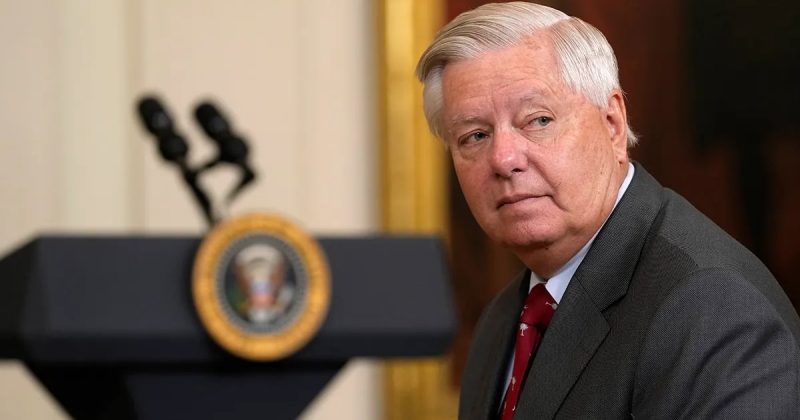
Senator Lindsey Graham’s Death Sparks Uncertainty Over US Support for Ukraine
As geopolitical tensions rise, the potential weakening of American interventionism could trigger significant market impacts. Investors are closely monitoring how this leadership vacuum will influence ceasefire negotiations and whether it will drive capital toward more stable or decentralized assets amidst the growing global uncertainty.

99.95% Certainty? Polymarket Odds Explode for Iran-Gulf Conflict Following Trump Remarks
Trump's warning of another 'major attack' has sent shockwaves through prediction markets, signaling a massive shift in perceived geopolitical risk. As the deadline approaches, the market's near-certainty reflects intense speculation regarding military escalations and the strategic importance of oil transit routes in the Middle East.
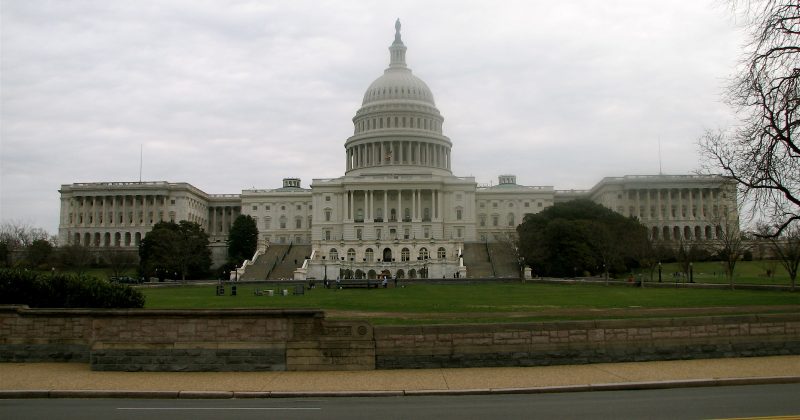
Democratic Infighting Could Hand GOP a Major Victory in 2026 Midterms
Beyond the immediate electoral fallout, a shift in legislative influence could fundamentally reshape the nation's policy directions. For investors and market participants, a strengthened Republican presence could mean a radical pivot in regulatory frameworks and economic governance, altering the landscape for emerging industries.
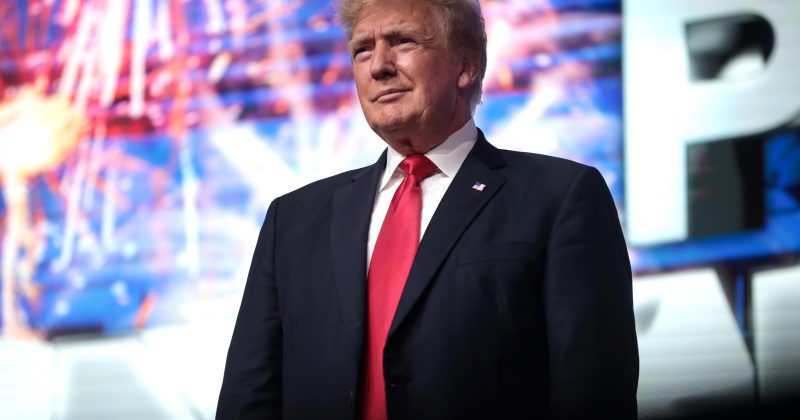
Geopolitical Tightrope: Trump’s Iran Strategy and the Threat to Global Markets
Beyond the immediate diplomatic friction, the consequences of these choices could trigger massive volatility across global markets. As tensions escalate, the intersection of Middle Eastern stability and international finance becomes a primary driver of risk, forcing investors to recalibrate their strategies in response to potential geopolitical shocks.
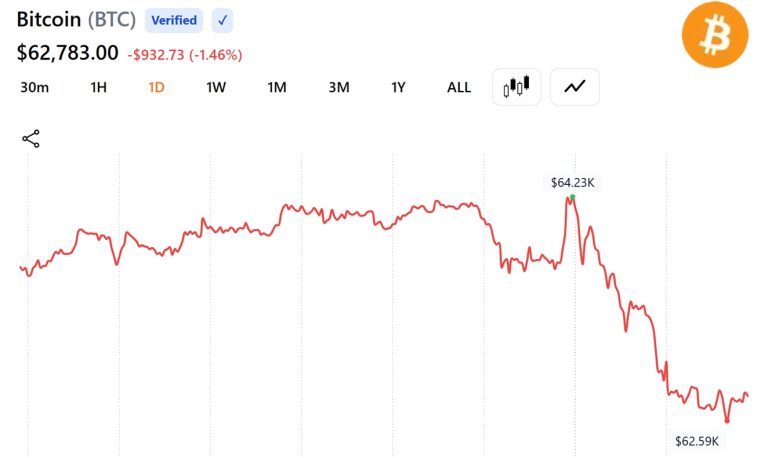
Bitcoin Dips Below $63K as Iran Strikes Resume and Oil Prices Surge 4.5%
The situation reached a breaking point with Tehran declaring the Strait of Hormuz closed, sending Brent crude prices soaring by 4.5%. This convergence of military escalation and energy market volatility is creating a high-stakes environment, where the threat to global oil supplies is overshadowing crypto market sentiment and forcing traders to reassess their positions.
