Polymarket Shakeup: Eizenkot Leads Israel PM Odds at 42.7% Amid $26.9M Volume

The Polymarket prediction market is witnessing a massive shift as Moshe Eizenkot surges to the top of the odds for Israel's next Prime Minister. With a staggering $26.9 million in trading volume, the market is providing a high-stakes look into the shifting political landscape and the growing appetite for geopolitical betting.
This volatility is fueled by deep-seated domestic tensions, including threats from United Torah Judaism chair Moshe Gafni to block critical legislation. As political stability wavers over funding disputes and legal authority, these real-world conflicts are directly driving the high-volume activity seen in the crypto-prediction sector.
According to recent reports from Polymarket, Moshe Eizenkot currently tops the odds to become Israel's next Prime Minister at 42.7%, within a market that has seen $26.9 million in total volume. This trend underscores the increasing role of blockchain-based prediction markets in capturing global political sentiment.
The underlying political tension is significant: Moshe Gafni, chair of United Torah Judaism, has reportedly threatened to vote against a bill aimed at weakening the attorney general. This move follows the removal of ultra-Orthodox kindergarten funding from the legislative agenda, creating a volatile environment that keeps Polymarket traders on edge.
This is a summarized and adapted version by Artificial Intelligence. To read the complete original story, visit the official source.
Read Full Article at Blockchain.newsSupport Jornal Bitcoin
Independent journalism, curated by AI, no clickbait. Keep the flame alive with any amount of BTC.
jonata@walletofsatoshi.comDaily Crypto Brief 📬
Subscribe to receive the curation of the most important Bitcoin and crypto news, summarized by AI. No spam.
Join more than 10,000 smart readers.
Related News

Peter Schiff Warns: Bitcoin Holders Will Regret Missing This Exit Opportunity
Looking ahead, the impact of a potential breakdown could be massive, with Schiff projecting a descent below the $50,000 mark. He anticipates a brutal correction that could see Bitcoin bottom out in the $20,000 to $30,000 range, highlighting the intense volatility inherent in the crypto market.

High-Stakes Gamble: CleanSpark Signs $6.6B AI Lease Before Securing $2.1B Construction Funding
The 175 MW contract provides a long-term revenue roadmap, yet a significant funding gap remains as the company seeks $2.1 billion to complete the build. The deal includes strict performance milestones, where failure to meet specific targets could lead to reduced rent or the termination of the lease entirely.
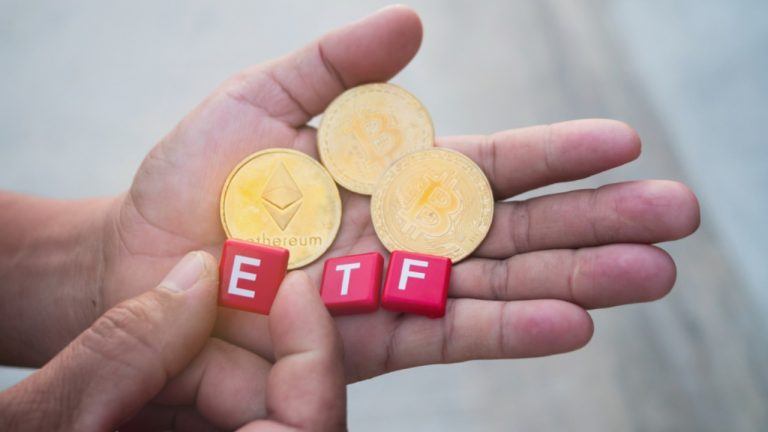
ETF Surge: Bitcoin and Ether Inflows Hit $239M as Japan Eyes Crypto ETF Approval
Despite the massive gains for Bitcoin and Ether, the altcoin ETF sector remained remarkably stagnant, with XRP and Solana products seeing zero trading activity. The broader market sentiment is being bolstered by news from Japan, which is moving closer to embracing crypto ETFs, potentially reshaping the global landscape for digital asset investment.

Telegram Chaos: 't.me' Domain Outage Caused by US Sanctions, Company Reveals
This incident underscores the growing tension between global connectivity and geopolitical enforcement. As rumors regarding domain registration issues circulated, the clarification highlights how US sanctions can disrupt digital infrastructure and impact the seamless operation of private messaging services worldwide.

Bitcoin Surges Past $65,500 as US Inflation Data Comes in Cooler Than Expected
Softer inflation data in the US provides a bullish backdrop for Bitcoin, as it lowers the probability of prolonged high interest rates. As investors digest these figures, the impact on liquidity and institutional interest remains a key focal point for the digital asset's short-term trajectory.

Polymarket Shock: Lula Surges to 61.5% Lead in Brazil 2026 Race After 12pp Jump
This volatility in Polymarket odds highlights how decentralized prediction markets are becoming essential tools for gauging political sentiment. As traders navigate these shifting probabilities, the widening gap in the Brazilian electoral landscape suggests a significant realignment of political and economic expectations.
