Trump’s Iran Oil Blockade Triggers Oil Price Surge and Dow Jones Slump
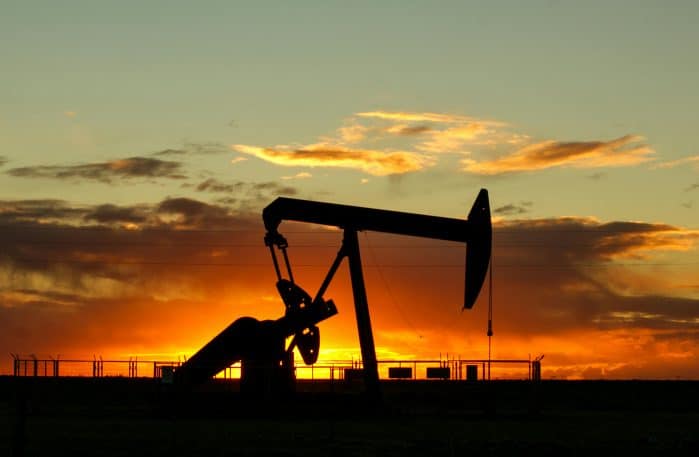
Donald Trump's announcement of a renewed blockade on Iran's oil shipping routes has sent shockwaves through global markets. This aggressive geopolitical move caused oil prices to soar instantly, triggering a sell-off in the Dow Jones as investors react to heightened instability.
Market experts are now bracing for extreme volatility, with projections suggesting oil could hit new all-time highs by December 31. The potential 16.5% surge highlights the massive impact that Middle East tensions have on global energy supplies and broader economic stability.
Trump announced a renewed blockade on Iran's oil shipping route, causing oil prices to rise sharply. The announcement has had a direct impact on the stock market, with the Dow Jones falling as traders digest the geopolitical risk. Market indicators suggest a significant upward trend for energy commodities, with a potential new all-time high projected by December 31, representing a possible 16.5% increase.
This is a summarized and adapted version by Artificial Intelligence. To read the complete original story, visit the official source.
Read Full Article at Crypto BriefingSupport Jornal Bitcoin
Independent journalism, curated by AI, no clickbait. Keep the flame alive with any amount of BTC.
jonata@walletofsatoshi.comDaily Crypto Brief 📬
Subscribe to receive the curation of the most important Bitcoin and crypto news, summarized by AI. No spam.
Join more than 10,000 smart readers.
Related News
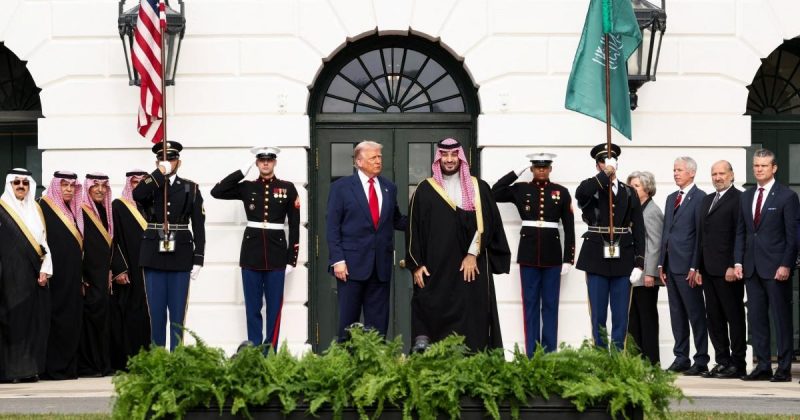
US-Saudi Nuclear Deal: Could Uranium Enrichment in the Middle East Trigger a Crisis?
As the implications of this deal unfold, attention is also turning toward the complexities of Iran reconstruction funding within broader US-Iran diplomatic frameworks. The convergence of nuclear policy, regional stability, and international energy security presents a high-stakes environment for global markets and political leaders alike.

Geopolitical Shockwave: Polymarket Prices Trump Out-by-July at 45% as Pentagon Issues Iran War Briefing
This development underscores the volatile link between Middle East instability and American electoral certainty. As the threat of conflict looms, investors and analysts are closely watching how these geopolitical stressors influence market sentiment and the potential trajectory of the upcoming US elections.
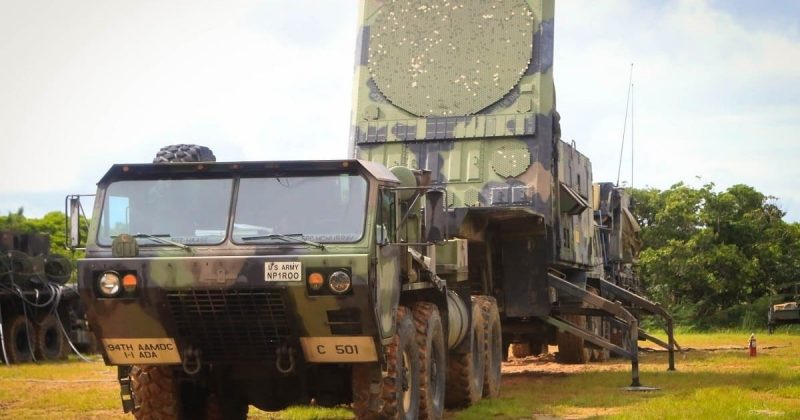
Geopolitical Escalation: Iran Disables U.S. Radar and Satellite Systems
Beyond the immediate military implications, the geopolitical landscape is further complicated by the looming deadline for a potential nuclear deal by August 13, 2026. The disruption of defense systems, combined with the uncertainty of diplomatic negotiations, creates a high-stakes environment for global stability and technological security.

Global Alert: US State Department Issues Travel Caution Amid Middle East Tensions
Adding complexity to the situation, reports suggest that Iran reconstruction funding could reach 28.5% under a potential US-Iran deal by 2026. As these geopolitical tensions unfold, the intersection of international diplomacy and global economic stability remains a critical focal point for market participants.
Geopolitical Escalation: US Expands Iran Strikes, Heightening Crypto Market Risk
With a full airspace closure projected by August 31, the geopolitical instability is expected to disrupt traditional trade routes and increase market volatility. For the crypto community, monitoring these military developments is essential to understanding sudden shifts in liquidity and risk appetite across the global financial landscape.
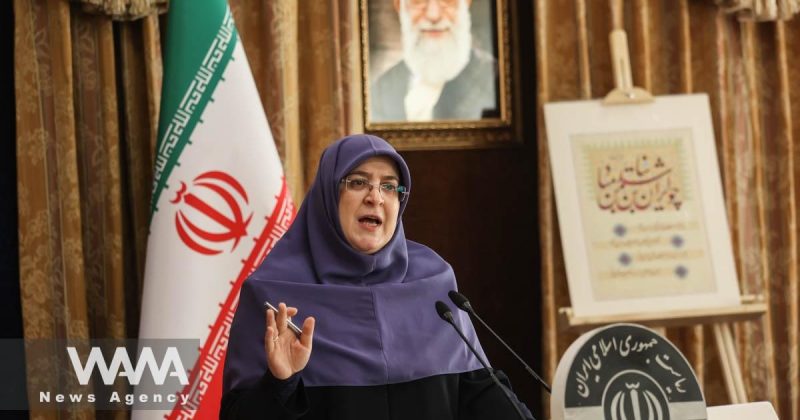
Geopolitical Escalation: US Missile Strike Hits Andimeshk as Iran Airspace Closure Looms
The potential for a total closure of Iranian airspace is becoming a significant concern, with forecasts suggesting a 33.5% chance of closure by July 31 and a 53.5% chance by August 31. For investors, this geopolitical volatility serves as a critical signal, as such high-stakes conflicts often trigger massive shifts in liquidity and a flight to safety within the crypto markets.
