Geopolitical Chaos: Iran Closes Strait of Hormuz Following US Airstrikes, Oil Prices Surge
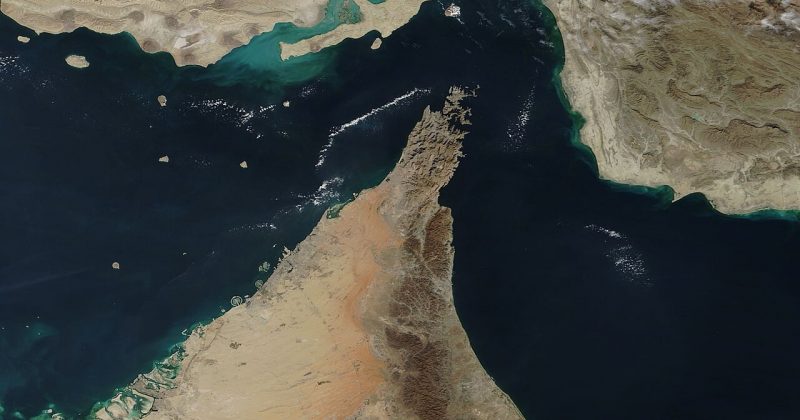
Global energy markets are on high alert as Iran moves to close the Strait of Hormuz following targeted US airstrikes. This strategic blockade threatens the world's most critical oil transit point, triggering immediate volatility and raising the specter of a massive supply disruption in the global energy sector.
As tensions escalate, market forecasts suggest a significant bullish trend for energy commodities, with WTI Crude Oil projected to hit $90 by July 2026 at a 46% probability. This geopolitical instability is expected to drive massive price swings, impacting both traditional energy markets and broader macroeconomic stability.
The geopolitical landscape has reached a breaking point. In a direct response to US airstrikes, Iran has officially closed the Strait of Hormuz, one of the world's most essential maritime chokepoints for oil transit. This move has sent shockwaves through international markets, causing an immediate surge in energy prices.
Investors are closely monitoring the fallout, as the disruption to global supply chains becomes more pronounced. Current data suggests that WTI Crude Oil has a 46% chance of reaching $90 per barrel by July 2026. The intersection of military conflict and energy security remains the primary driver of market uncertainty in the coming months.
This is a summarized and adapted version by Artificial Intelligence. To read the complete original story, visit the official source.
Read Full Article at Crypto BriefingSupport Jornal Bitcoin
Independent journalism, curated by AI, no clickbait. Keep the flame alive with any amount of BTC.
jonata@walletofsatoshi.comDaily Crypto Brief 📬
Subscribe to receive the curation of the most important Bitcoin and crypto news, summarized by AI. No spam.
Join more than 10,000 smart readers.
Related News
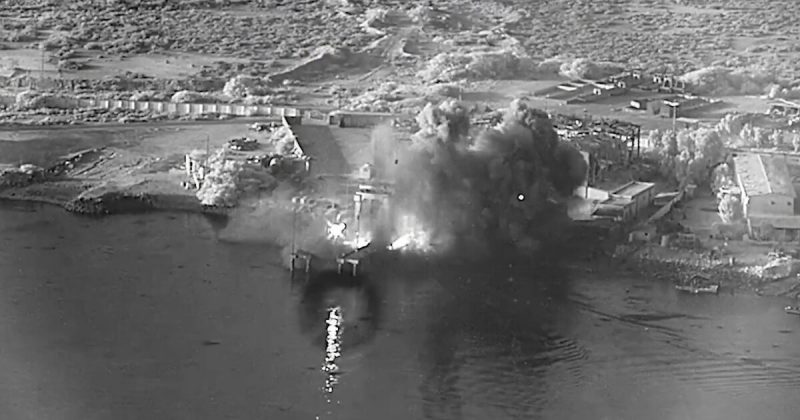
On the Brink: US-Iran Ceasefire Collapses, Pushing Nations Toward All-Out War
As the threat of all-out war looms, the long-term viability of diplomatic reconstruction funding slated for 2026 is being called into question. For the financial sector, this heightened geopolitical risk represents a massive catalyst for market volatility, demanding immediate attention from macro analysts and crypto investors alike.
Cardano Evolution: Van Rossem Hard Fork Upgrades Mainnet to Protocol Version 11
Beyond the immediate technical shift, this upgrade is designed to bolster the long-term scalability of the Cardano blockchain. By implementing protocol version 11, the network strengthens its foundation for decentralized applications and ensures the ecosystem remains competitive in the rapidly evolving Web3 landscape.
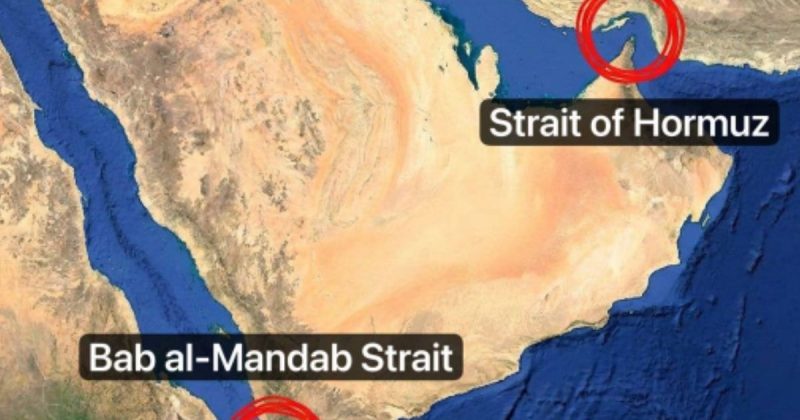
Geopolitical Flashpoint: Saudi-led Coalition Moves to Secure Bab el-Mandeb Amid Houthi Threats
Market sentiment reflects growing anxiety, with projections suggesting a 52.5% probability of successful Houthi targeting of shipping vessels by July 31. This heightened state of conflict poses a direct threat to international logistics and could trigger significant volatility across global economic sectors.

Geopolitical Shock: Polymarket Odds for U.S. Invasion of Iran Surge to 27.5%
The ripple effects are already hitting the economy, as average U.S. gas prices have climbed back above the $4 threshold. As geopolitical instability grows, the market is bracing for further volatility in energy prices and potential disruptions to global supply chains caused by the intensifying conflict.

AI Warfare: Moonshot’s Kimi K3 Model Targets US Dominance
This development carries significant geopolitical weight, signaling China's intensified efforts to break the technological monopoly held by American giants. As the race for AI supremacy accelerates, the introduction of such high-parameter models could fundamentally shift the balance of power in digital infrastructure and large-scale machine learning capabilities.
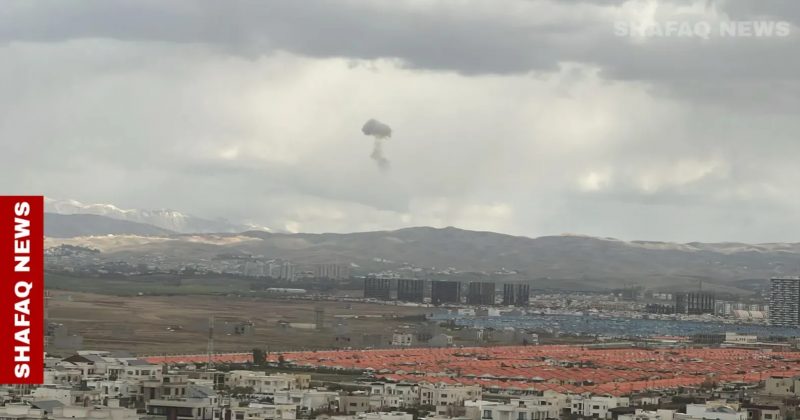
Geopolitical Tension Spikes: Explosive-Laden Drone Intercepted Near Iraqi Airbase
The potential for sudden military escalation in the Middle East poses significant risks to global stability and market sentiment. As geopolitical tensions rise, investors and analysts are closely watching for any further provocations that could trigger broader conflict and impact high-risk asset classes.
