Iran's $6B Oil Play: How Crypto Fueled Massive Exports Despite US Blockade

Iran successfully exported 80 million barrels of oil, valued at $6 billion, by leveraging crypto as a primary mechanism to bypass US-led economic blockades. This strategic deployment of digital assets demonstrates how decentralized finance can be weaponized by nation-states to maintain liquidity and trade flow under heavy sanctions.
This reliance on crypto for sanctions evasion highlights profound vulnerabilities within the global financial systems, signaling a shift in geopolitical warfare. As regulators scramble to close loopholes, the tension between crypto-enabled autonomy and international financial oversight is set to intensify.
Iran exported 80 million barrels of oil worth $6 billion prior to the US blockade, with crypto playing a key role in sanctions evasion. The nation's use of cryptocurrency to circumvent international restrictions highlights potential vulnerabilities in global financial systems, prompting increased regulatory scrutiny from global governing bodies.
This is a summarized and adapted version by Artificial Intelligence. To read the complete original story, visit the official source.
Read Full Article at Crypto BriefingSupport Jornal Bitcoin
Independent journalism, curated by AI, no clickbait. Keep the flame alive with any amount of BTC.
jonata@walletofsatoshi.comDaily Crypto Brief 📬
Subscribe to receive the curation of the most important Bitcoin and crypto news, summarized by AI. No spam.
Join more than 10,000 smart readers.
Related News

Hormuz Strait Tension: Polymarket Sees Only 2% Chance of Normal Traffic Following UK IRGC Ban
Iran has slammed the UK's decision as "irresponsible," framing the dispute as a critical security flashpoint. This diplomatic friction is expected to fuel ongoing shipping-risk narratives, potentially disrupting global maritime corridors and influencing how prediction markets price geopolitical instability.
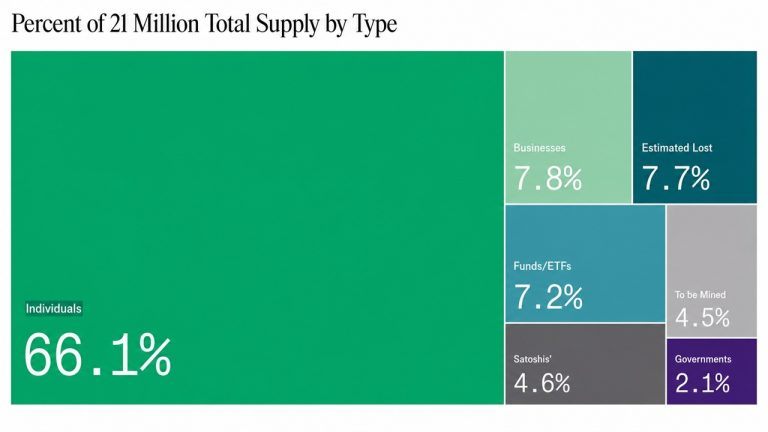
The Institutional Myth: Individuals Still Control 66% of All Bitcoin Supply
With businesses holding only 7.8% and ETFs accounting for just 7.2%, the market remains driven by individual holders rather than corporate entities. This distribution suggests that despite the influx of institutional capital, the core ownership of Bitcoin remains firmly in the hands of the people.

Binance Empire: 9 Years, 323 Million Users, and an $87 Billion Market Cap
The platform's continuous growth is intrinsically linked to the BNB ecosystem, which acts as the primary engine for Binance's future expansions. With ambitious growth plans, the company is focusing on strengthening the utility of the BNB token to sustain its trajectory of innovation and expansion within the crypto market.
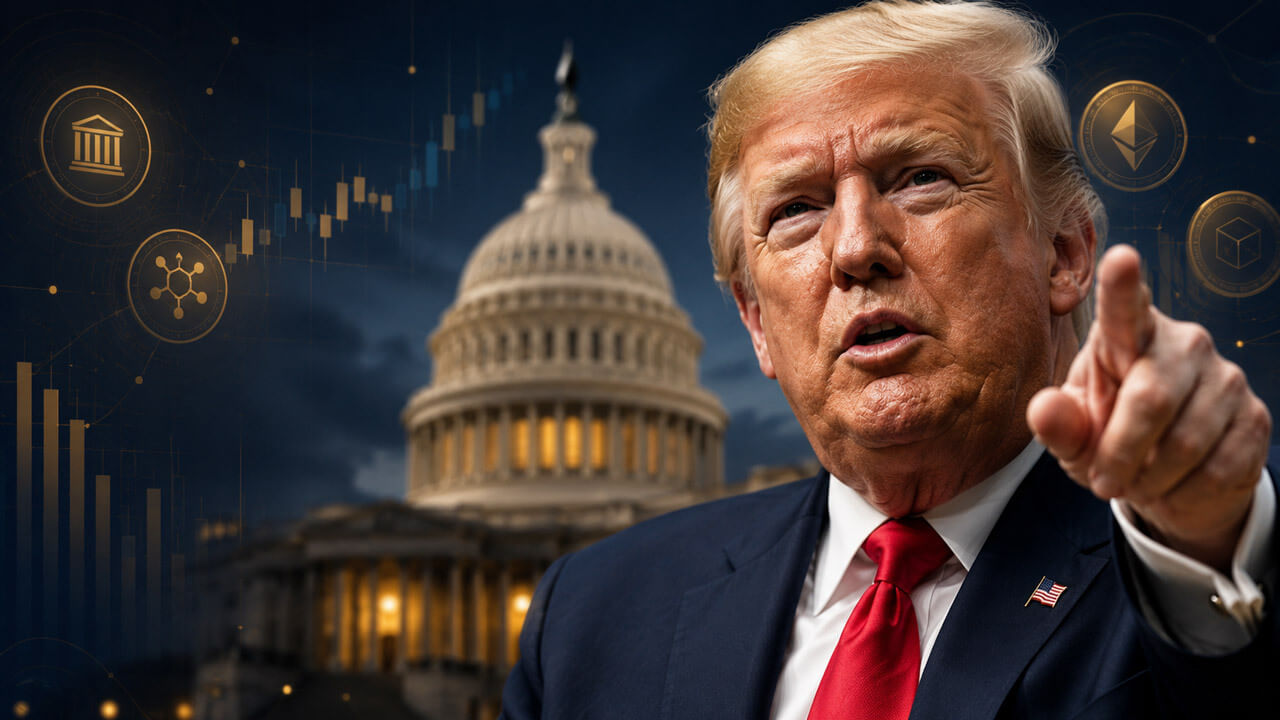
Trump Sets 24-Day Deadline: Senate Under Pressure to Pass Crypto CLARITY Act
By framing the CLARITY Act as a critical component of the geopolitical race against China, Trump is linking crypto regulation directly to national security and technological supremacy in AI. The outcome of this vote will determine whether the United States can establish a dominant regulatory framework to lead the global competition in cryptocurrency and artificial intelligence.

Regulatory Revolution: Paul Atkins and Trump Push CLARITY Act to Secure US Lead in Crypto and AI
This legislative push is designed to replace current ambiguity with institutional certainty, preventing capital flight and technological stagnation. By pressuring the Senate, administration leaders intend to solidify American hegemony in the digital asset market and ensure the US remains the primary hub for next-generation financial technologies.

China's Export Surge Defies Geopolitical Tensions to Boost Asian Markets
Even as tensions escalate between the US and Iran, the robust performance of China's trade sector is helping to stabilize regional markets. The resilience shown in these latest economic indicators could serve as a primary driver for risk assets in the near term.
