Regulatory Revolution: Paul Atkins and Trump Push CLARITY Act to Secure US Lead in Crypto and AI
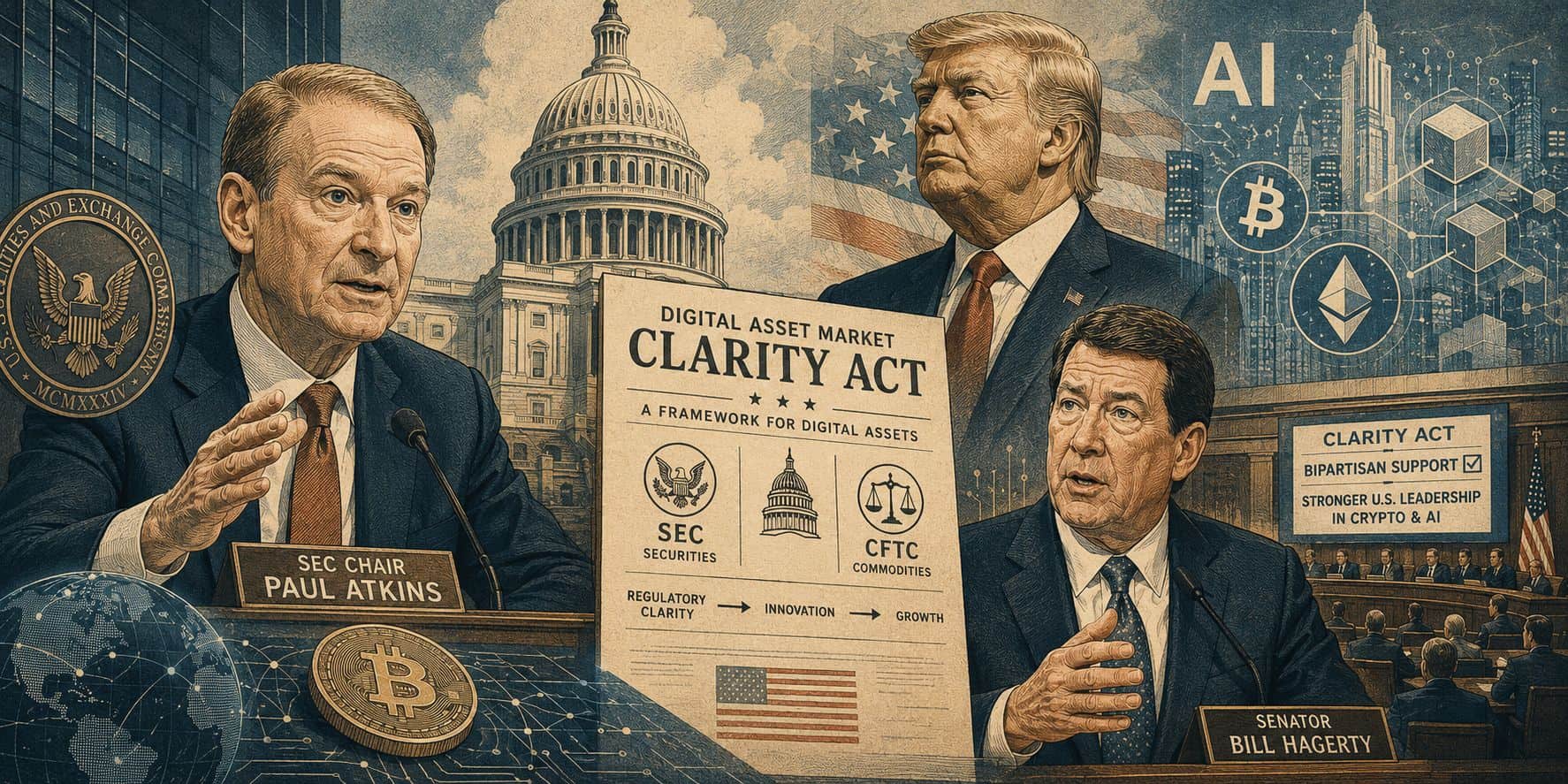
The United States is bracing for a massive regulatory shift as the CLARITY Act gains significant political momentum. SEC Chair Paul Atkins and President Donald Trump are spearheading a movement to pass the Digital Asset Market Clarity Act, aiming to provide the definitive legal framework required to dominate the global crypto and AI sectors.
This legislative push is designed to replace current ambiguity with institutional certainty, preventing capital flight and technological stagnation. By pressuring the Senate, administration leaders intend to solidify American hegemony in the digital asset market and ensure the US remains the primary hub for next-generation financial technologies.
This is a summarized and adapted version by Artificial Intelligence. To read the complete original story, visit the official source.
Read Full Article at Brave New CoinSupport Jornal Bitcoin
Independent journalism, curated by AI, no clickbait. Keep the flame alive with any amount of BTC.
jonata@walletofsatoshi.comDaily Crypto Brief 📬
Subscribe to receive the curation of the most important Bitcoin and crypto news, summarized by AI. No spam.
Join more than 10,000 smart readers.
Related News
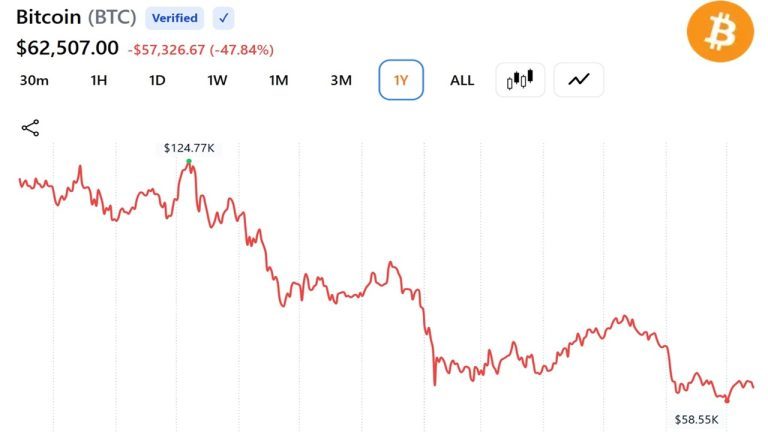
Bitcoin Drops 50%, But Cryptoquant Signals the Cycle Top Is Still Ahead
By analyzing onchain data, the analytics firm highlights that the lack of extreme profitability signals prevents a premature market peak. This divergence between price action and the PnL index provides a crucial layer of context for investors looking to navigate the current volatility and time the next major Bitcoin rally.
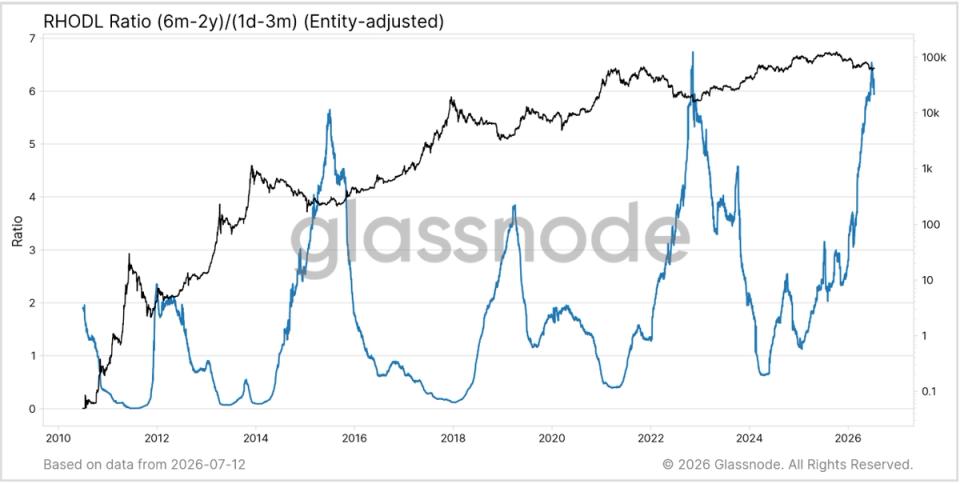
Bitcoin’s Great Rotation: Long-Term Holders Hand Over the Reins to New Buyers
Despite this structural evolution, macroeconomic headwinds remain a significant threat. Looming Federal Reserve rate hikes could disrupt this transition, potentially triggering the market capitulation that many traders are bracing for in the face of tightening monetary policy.
The AI 'Hackpocalypse' is a Myth: Why DeFi Security is Actually Improving
This trend suggests that malicious actors leveraging AI are primarily targeting 'small protocols and abandonware' rather than major players. As larger DeFi protocols fortify their defenses, the median value of hacks has dropped below $500,000, proving that the industry is successfully adapting to the evolving challenges posed by artificial intelligence.

Bull Trap Alert? XRP and Ether Optimism Surges Amid Price Slump
This disconnect between social hype and actual price action often serves as a warning sign for a potential sell-off. As the bullish sentiment rises against a backdrop of falling prices, the crypto market faces the risk of a deeper correction, potentially trapping those betting on an immediate reversal for XRP and Ether.

Hyundai Makes Move: Successful USDT Test for Cross-Border Corporate Transfers
This successful pilot highlights the growing utility of stablecoins in streamlining global treasury operations and reducing the friction inherent in traditional banking. By utilizing USDT for cross-border fund movements, Hyundai is setting a benchmark for how multinational corporations can integrate blockchain technology to optimize liquidity and international settlements.

Hormuz Strait Tension: Polymarket Sees Only 2% Chance of Normal Traffic Following UK IRGC Ban
Iran has slammed the UK's decision as "irresponsible," framing the dispute as a critical security flashpoint. This diplomatic friction is expected to fuel ongoing shipping-risk narratives, potentially disrupting global maritime corridors and influencing how prediction markets price geopolitical instability.
