Geopolitical Flashpoint: Iran Targets Oil Tankers in Strait of Hormuz Amid 2026 Crisis Fears
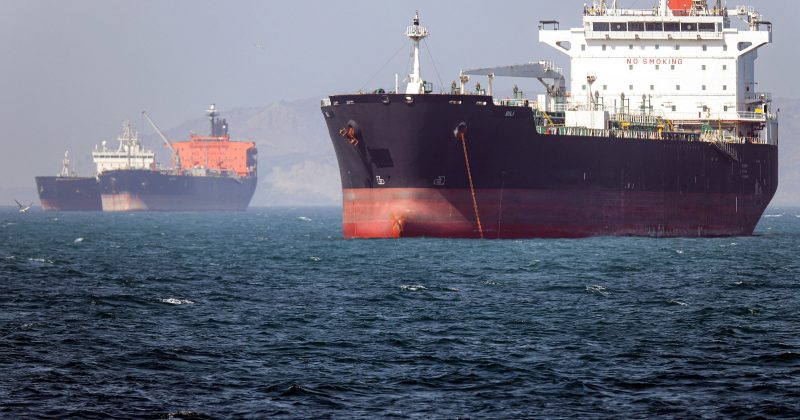
Global markets are on high alert following reports that Iran targeted two oil tankers in the critical Strait of Hormuz. This escalation in maritime aggression introduces significant geopolitical risk, potentially driving investors toward digital gold and other hedge assets as traditional energy supply chains face direct threats.
While maritime traffic reportedly returned to normal by August 31, the strike is being viewed through the lens of a looming 2026 crisis. The strategic importance of the Strait of Hormuz means that any disruption carries heavy implications for global inflation and energy security, forcing a re-evaluation of risk management in an increasingly unstable world.
Iran has targeted two oil tankers in the Strait of Hormuz, a move that has sent ripples through global energy markets. The incident highlights the extreme vulnerability of international shipping lanes in the Middle East. Although traffic was reported as normal by August 31, the attack is being linked to broader geopolitical tensions and a projected crisis in 2026. As instability rises, the intersection of energy security and global financial stability remains a primary concern for institutional investors.
This is a summarized and adapted version by Artificial Intelligence. To read the complete original story, visit the official source.
Read Full Article at Crypto BriefingSupport Jornal Bitcoin
Independent journalism, curated by AI, no clickbait. Keep the flame alive with any amount of BTC.
jonata@walletofsatoshi.comDaily Crypto Brief 📬
Subscribe to receive the curation of the most important Bitcoin and crypto news, summarized by AI. No spam.
Join more than 10,000 smart readers.
Related News

Iran Crackdown: Two Sentenced to Death as Regime Stability Faces Critical Test
Beyond the immediate judicial actions, the political landscape is shifting rapidly, with some analysts forecasting a potential collapse of the Iranian regime by the end of 2026. The combination of violent repression and growing civil defiance suggests a volatile period ahead for the Middle East and global geopolitical stability.

Geopolitical Flashpoint: Iran Rejects US and Israeli Influence Amid Escalating Conflict
Amidst the rising friction, reports indicate a potential US-Iran deal involving reconstruction funding slated for 2026, though it currently holds a mere 28.5% approval rating. The intersection of military escalation and failed diplomatic frameworks suggests a prolonged period of instability that could have far-reaching consequences for international relations and market sentiment.
BlackRock Goes Big: $116M Bitcoin Acquisition Signals Massive Institutional Shift
As Bitcoin hit the $67,500 mark in July, the influx of capital from giants like BlackRock provides critical market validation. This trend highlights a significant shift in global finance, where Bitcoin is increasingly viewed as a legitimate and essential institutional asset class.

Geopolitical Alert: Iran Moves Uranium Centrifuges to Fortified Tunnels, Israeli Intel Reports
The timing is precarious, as the deadline to end enrichment at the 20.5% level by December 31 approaches. By utilizing these hardened underground facilities, Iran is effectively complicating international diplomatic efforts and signaling a long-term commitment to its nuclear capabilities, regardless of global sanctions or pressure.
Oil dips as US-Iran mediation reports surface—crude set for a new all-time high by Sept 30
Despite the dip, attention is shifting to upside momentum: crude is flagged for a new all-time high by September 30, with a potential 6.7% gain. The takeaway: macro and geopolitics are still driving commodity pricing, shaping expectations across markets and influencing broader risk sentiment.
Goldman Sachs Warning: Brent Oil Could Surge Past $120 Amid Hormuz Tension
Looking further ahead, projections indicate that WTI could also hit the $120 mark by July 2026. Such a surge in oil prices would likely fuel global inflationary pressures, potentially tightening liquidity across financial markets and influencing the broader trajectory of risk assets, including the cryptocurrency sector.
